

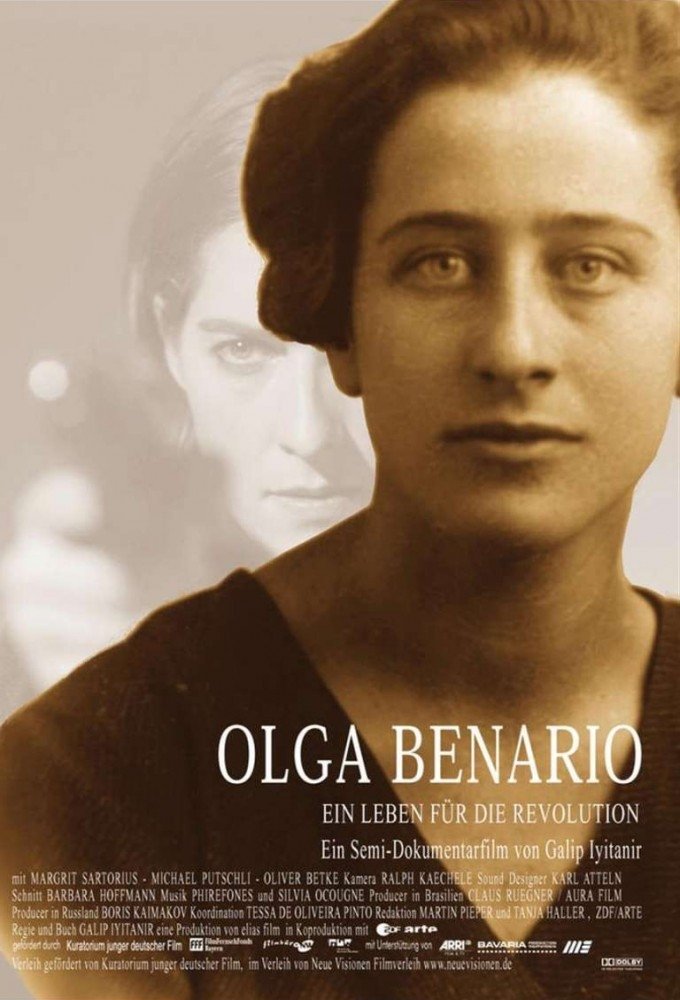
Olga Benario - Ein Leben für die Revolution
Documentary · History · Drama
Overview
Documentary drama about the revolutionary Olga Benario




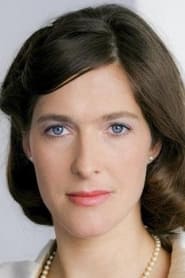
Margrit Sartorius
Margrit Sartorius
Olga Benario
Margrit Sartorius
Olga Benario
Michael Putschli
Michael Putschli
Otto Braun
Michael Putschli
Otto Braun
Oliver Betke
Oliver Betke
Alfred
Oliver Betke
Alfred

Caroline Scholze
Caroline Scholze
Caroline Scholze
Paulina Nikel
Paulina Nikel
Paulina Nikel
Andre Muzzulini
Andre Muzzulini
Andre Muzzulini
Olga Benario
Olga Benario
Self (archive footage)
Olga Benario
Self (archive footage)
Julian Boyd
Julian Boyd
Self
Julian Boyd
Self
Otto Braun
Otto Braun
Self (archive footage)
Otto Braun
Self (archive footage)
Ute Hoffmann
Ute Hoffmann
Self
Ute Hoffmann
Self
Similar Movies
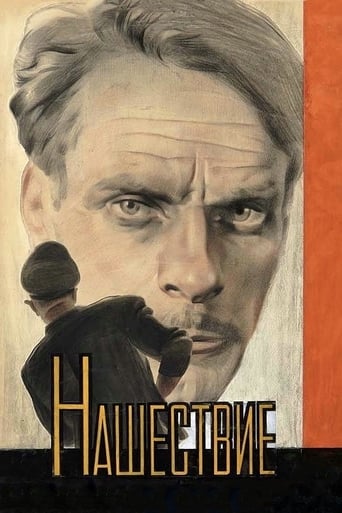
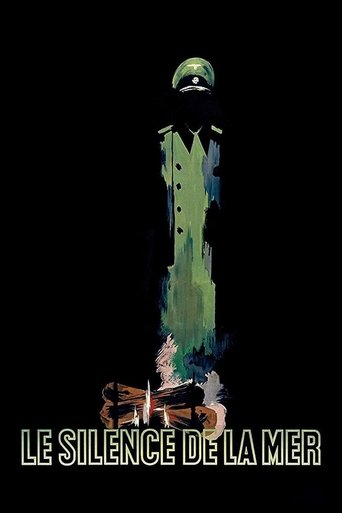
A Russian village struggles through the German occupation during World War II in this tense drama from the Soviet Union. As the town doctor finds his home has been taken by German troops, his daughter becomes involved in the anti-Axis resistance, and his son -- confined to a mental hospital -- escapes to fight the invading armies.
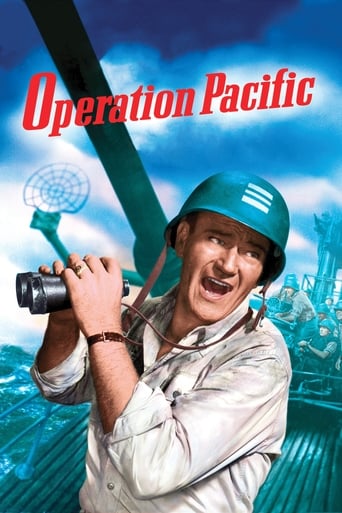
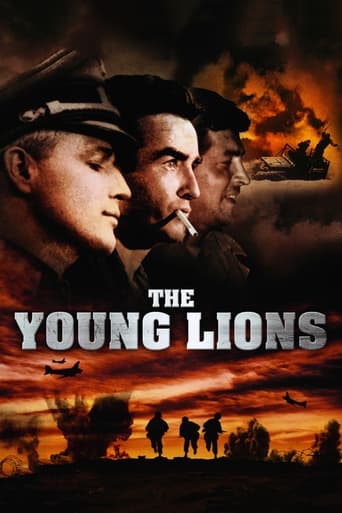
During WWII, Duke E. Gifford is second in command of the USS Thunderfish, a submarine which is firing off torpedoes that either explode too early or never explode at all. It's a dilemma that he'll eventually take up personally. Even more personal is his quest to win back his ex-wife, a nurse; but he'll have to win her back from a navy flier who also happens to be his commander's little brother.
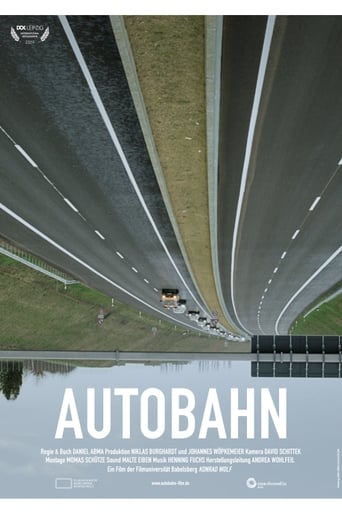
Traffic on the B61 road, which connects Rotterdam to Warsaw and cuts through the German spa town of Bad Oeynhausen, is permanently gridlocked. The promised cure is a bypass whose construction is documented for a period of eight years: the efforts of the mayor, police, fire brigade and construction companies, the delays in the construction of the northern bypass and above all the reactions of the affected residents.
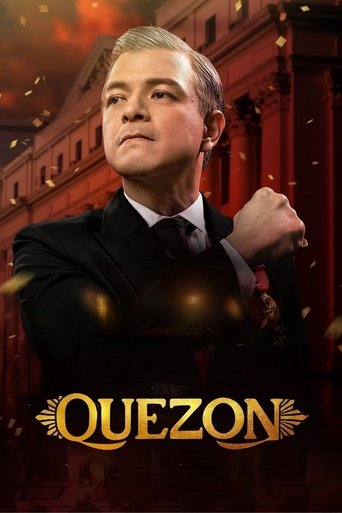
A historical drama focusing on Manuel L. Quezon years after the Philippine Revolution during the American occupation. When his fight for independence from the United States is put to the test, Quezon finds himself playing the brutal game of politics to outmaneuver his rivals — including Leonard Wood, Sergio Osmeña, and Joven Hernando. In Quezon’s relentless quest for power, he ultimately faces off with Emilio Aguinaldo in the 1935 presidential elections, using charm and favoritism as both weapons and currency, in a campaign that ultimately changes the face of Philippine politics and history.
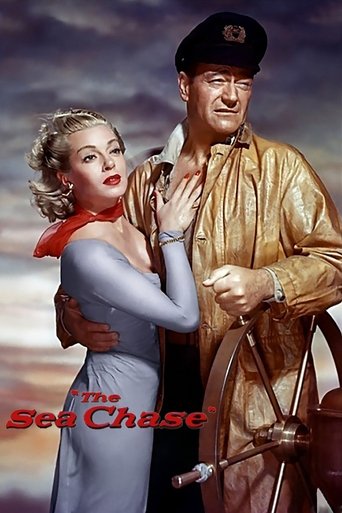
As the Second World War breaks out, German freighter captain Karl Ehrlich is about to leave Sydney, Australia with his vessel, the Ergenstrasse. Ehrlich, an anti-Nazi but proud German, hopes to outrun or out-maneuver the British warship pursuing him. Aboard his vessel is Elsa Keller, a woman Ehrlich has been ordered to return to Germany safely along with whatever secrets she carries. When Ehrlich's fiercely Nazi chief officer Kirchner commits an atrocity, the British pursuit becomes deadly.
24 hours at the Berlin traffic accident standby service. The frequency of accidents on the streets of the capital of the German Democratic Republic (GDR) becomes apparent, including inappropriate and increased speed, pedestrian errors, failure to give way and driving under the influence of alcohol. Major Busse, the head of the Berlin Traffic Accident Investigation Unit, raises the question of whether the GDR has developed its own kind of driving. The camera provides interesting insights into the carelessness and aggressiveness of road users, which can lead to serious injuries and deaths
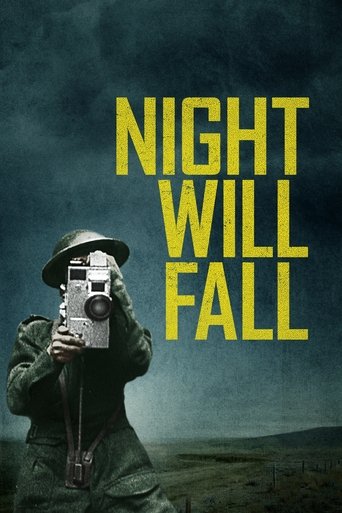
When Allied forces liberated the Nazi concentration camps in 1944-45, their terrible discoveries were recorded by army and newsreel cameramen, revealing for the first time the full horror of what had happened. Making use of British, Soviet and American footage, the Ministry of Information’s Sidney Bernstein (later founder of Granada Television) aimed to create a documentary that would provide lasting, undeniable evidence of the Nazis’ unspeakable crimes. He commissioned a wealth of British talent, including editor Stewart McAllister, writer and future cabinet minister Richard Crossman – and, as treatment advisor, his friend Alfred Hitchcock. Yet, despite initial support from the British and US Governments, the film was shelved, and only now, 70 years on, has it been restored and completed by Imperial War Museums under its original title "German Concentration Camps Factual Survey".