

Political Animals
Documentary
Overview
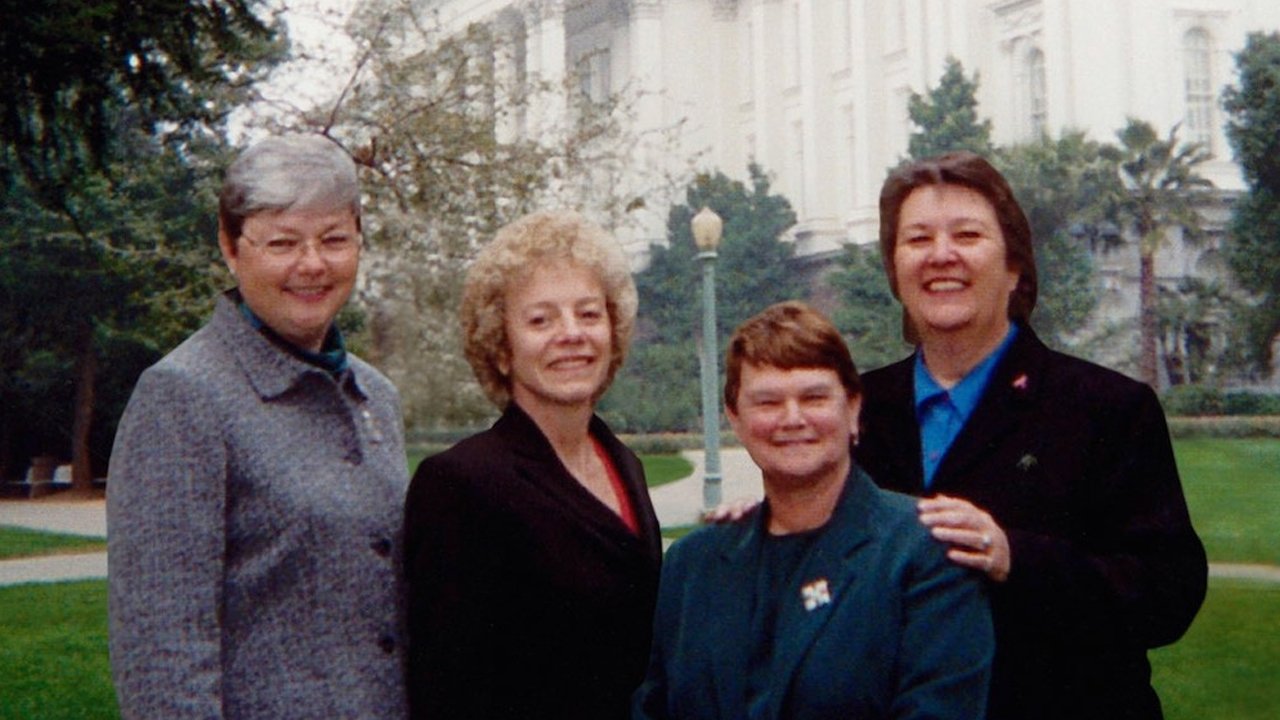
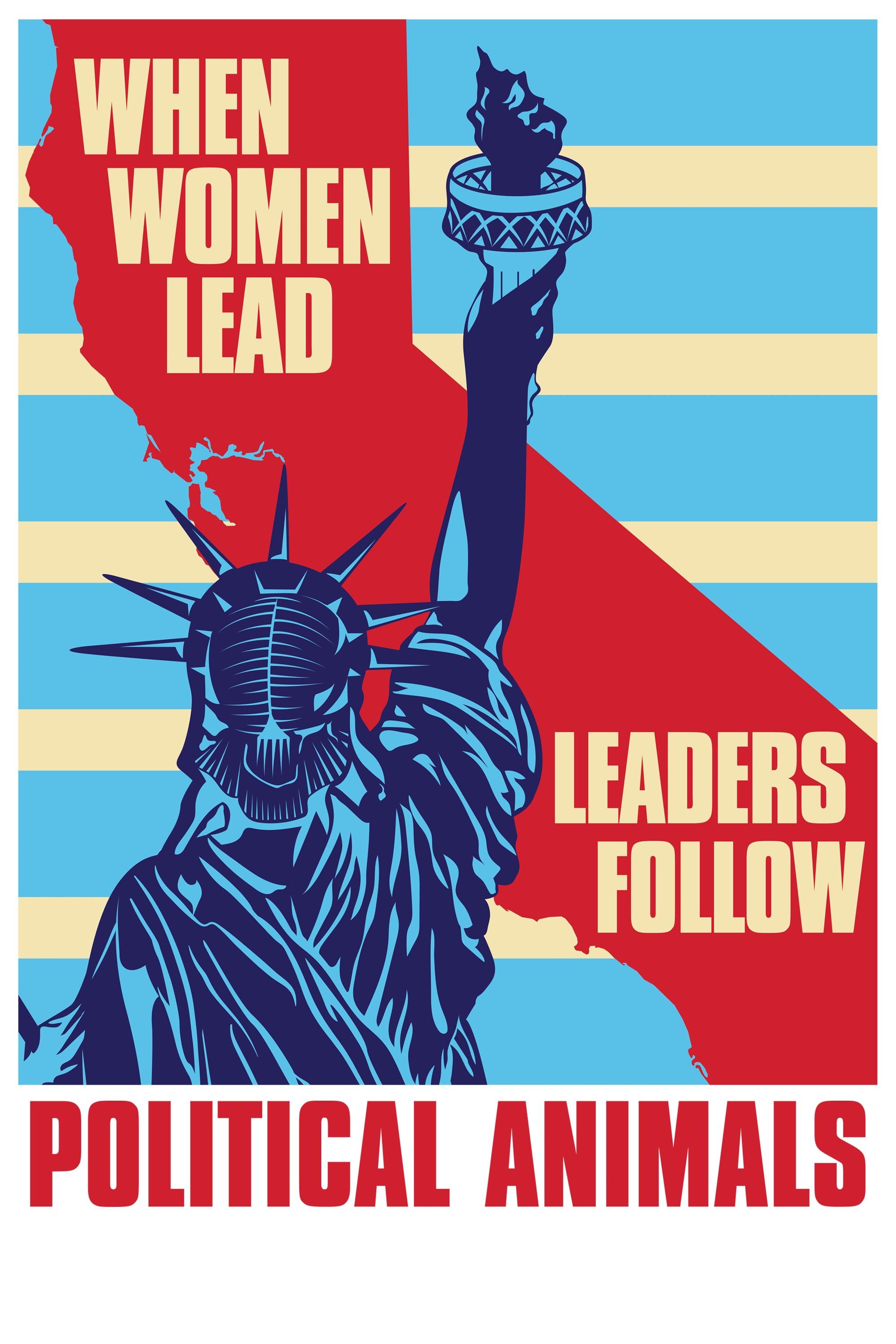
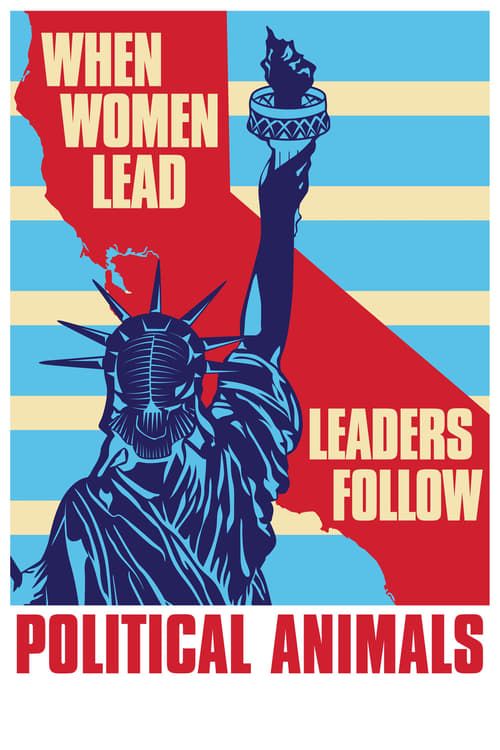
The story of four pioneering lesbian politicians and the battles they fought to pass a wide range of anti-discrimination laws.

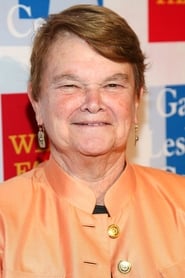
Sheila James Kuehl
Sheila James Kuehl
Herself
Sheila James Kuehl
Herself
Jackie Goldberg
Jackie Goldberg
Herself
Jackie Goldberg
Herself
Christine Kehoe
Christine Kehoe
Herself
Christine Kehoe
Herself
Carole Migden
Carole Migden
Herself
Carole Migden
Herself
Similar Movies
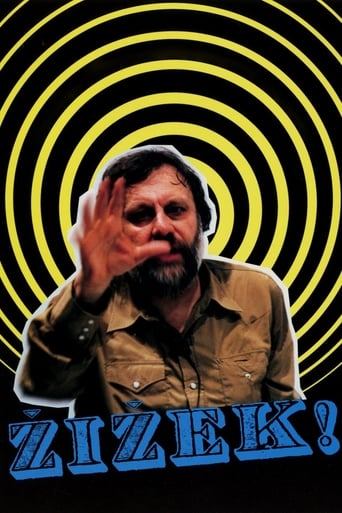
ŽIŽEK! trails the thinker as he crisscrosses the globe, racing from New York City lecture halls, through the streets of Buenos Aires, and even stopping at home in Ljubljana, Slovenia. All the while Žižek obsessively reveals the invisible workings of ideology through his unique blend of Lacanian psychoanalysis, Marxism, and critique of pop culture.
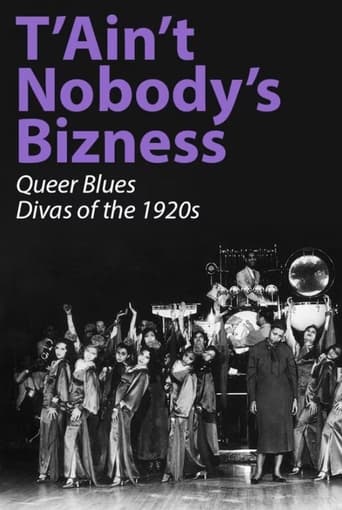
The 1920s saw a revolution in technology, the advent of the recording industry, that created the first class of African-American women to sing their way to fame and fortune. Blues divas such as Bessie Smith, Ma Rainey, and Alberta Hunter created and promoted a working-class vision of blues life that provided an alternative to the Victorian gentility of middle-class manners. In their lives and music, blues women presented themselves as strong, independent women who lived hard lives and were unapologetic about their unconventional choices in clothes, recreational activities, and bed partners. Blues singers disseminated a Black feminism that celebrated emotional resilience and sexual pleasure, no matter the source.
The Story of the Amazing Live Sea-Monkeys is the colourful and surprising true story of a man named Harold von Braunhut; a man who could look at the humblest of creatures – the brine shrimp – and imagine an empire built upon it. Breezy, colourful short about a half-century of marketing directly to children, the force of nostalgia in pop culture, and an unlikely meeting of flimflam and hard science.

Several key words emerge from Hugo Pratt's work, inseparable from his life: travel, adventure, erudition, esotericism, mystery, poetry, melancholy... and of course, Corto Maltese, his hero and alter ego, who established him as one of the greatest names in comic books. Born in Italy in 1927 and dying in Switzerland sixty-eight years later, Hugo Pratt, born without an H and with only one T, grew up in the shadow of a fascist father who took him at a very young age to Ethiopia, which was occupied by Mussolini's forces. The teenager developed a fascination for the wide-open spaces of Africa, soon followed by an irresistible attraction to the Indian world. This was the starting point for a life of travel, success, conquests, rare failures, and marked by his veneration for the American cartoonist Milton Caniff, his absolute master.
A year has passed since the attacks on the Nord Stream gas pipelines, and it is still unclear what actually happened at the bottom of the Baltic Sea at that time. ARD, Süddeutsche Zeitung, and DIE ZEIT have joined forces for a large-scale investigation and set out to find the alleged perpetrators. An investigation into one of the most spectacular criminal cases of our time, an attack of historic proportions.
Eighteen years in the making, two-headed cow started off as a black and white film that followed Dexter Romweber and his drummer Crow on a rock and roll tour along the same route as General Sherman. The film was not finished due to many circumstances, but the filmmakers were able to resume the film seventeen years later. After major TV appearances, a stint on a major label, bouts of depression and drug addiction, the film took on a different tone and poignancy.
Filmed and edited entirely in isolation, Living in Fear is an educational and inspiring documentary directed by myself, Stephanie Castelete-Tyrrell, a disabled filmmaker as I capture the fears and struggles disabled people faced before the government implemented the lockdown on the 23rd March 2020. Thousands of people with disabilities were left in the dark and had to make the call weeks before to lockdown as it was inevitable that we would die if we caught the virus. Food was impossible to access because we couldn't go out or get delivery slots, and even if we did panic buyers made it impossible to get the items we desperately needed. We were truly isolated, unable to have family and friends visit. Having carers coming in and out of the house was risky and many disabled people felt that having basic care was putting their lives at risk.