

The District Nurse
Documentary
Overview
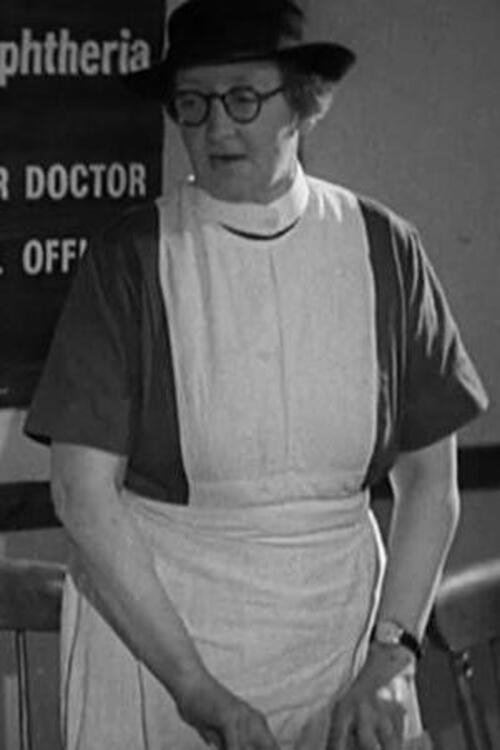
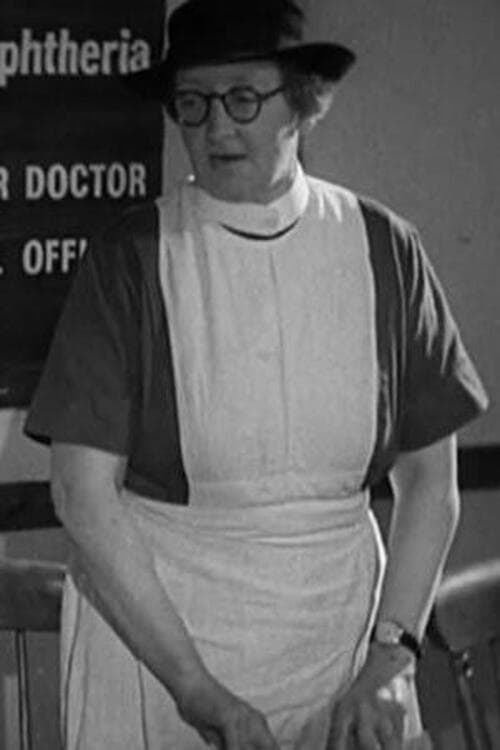
The diary of a typical non-stop working day of a wartime district nurse.

No cast information.
Similar Movies
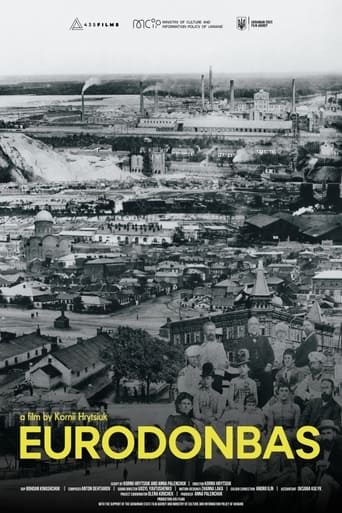
Throughout time, Eastern Ukraine (such as Donbas) has been referred to as a 'Russian world', but this is indeed not the case. The history of Donbas was re-written during the Soviet era. Although the Soviet Union edited out and withheld all references to the European background of this region from history books in schools and universities. There were, in fact, numerous French, Belgian, German, British, Polish, Swiss, Dutch, and even American settlements and more than 100 wide-scale enterprises in the region. Therefore, this film reveals the pro-European industrialization of Ukrainian Donbas at the turn of the 19th century. It aims to emphasize the European roots of Ukraine long before the official integration process of Ukraine into the EU in 2022.
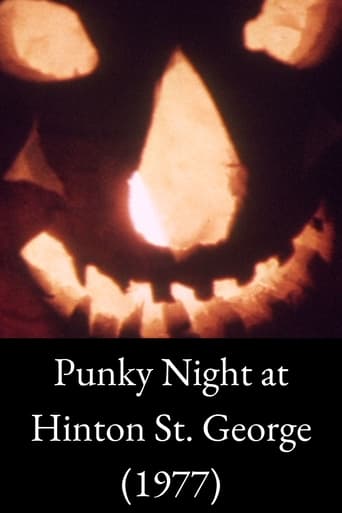
Children parade through the streets of Hinton St George in Somerset on the last Thursday of October. Children have hollowed out pumpkins or mangelwurzels, a type of animal fodder turnip to make lanterns following a tradition in this part of West Somerset that coincides with Halloween. Punky or Punkie Night is thought to date from the turn of the 20th century or perhaps medieval times chanting rhymes and following a Punkie King and Queen.
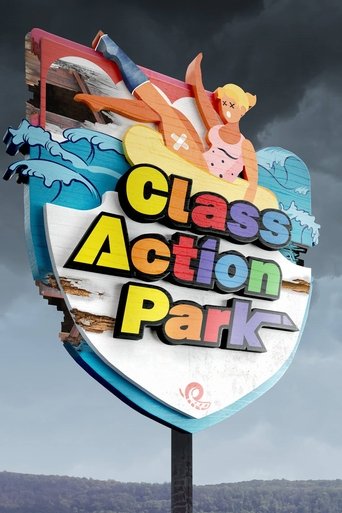
Class Action Park explores the legend, legacy, and truth behind the 1980s water park in Vernon, New Jersey that long ago entered the realm of myth. Known for its dangerous, unsupervised rides and lack of regulation, guests of Action Park expected to walk away with injuries and were lucky if they made it out alive. Shirking the trappings of nostalgia, the film uses investigative journalism, original animations, recordings, and interviews with the people who lived it to reveal the true story of Action Park.
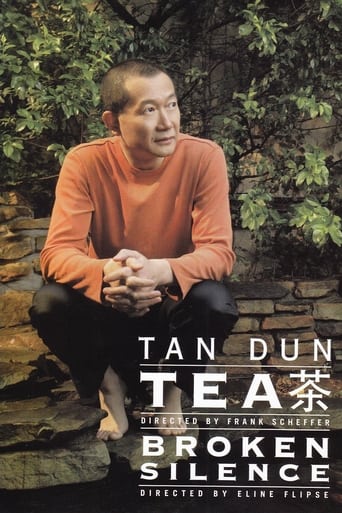
Director Scheffer registered a performance of the Tea Opera by Chinese composer Tan Dun (who won an Oscar in 2001 with his score for Crouching Tiger, Hidden Dragon). Scheffer interlaces the images with interviews with Dun, stage director Pierre Audi and librettist Xu Ying, about the opera and the role tea and oriental philosophy play in this work. Using monochrome, sometimes abstract images (in yellow, blue, red and green), close-ups of plants and flowers and images of the Chinese nature and people (sometimes accelerated or decelerated, sometimes in black-and-white), he mirrors the stylised opera performance and Dun's reflective music.