

Rainer Werner Fassbinder's World on a Wire: Looking Ahead to Today
Documentary
Overview
A retrospective look at the making of "World on a Wire".




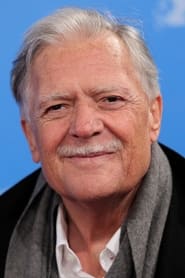
Michael Ballhaus
Michael Ballhaus
Self
Michael Ballhaus
Self
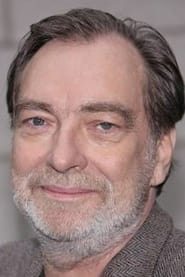
Fritz Müller-Scherz
Fritz Müller-Scherz
Self
Fritz Müller-Scherz
Self
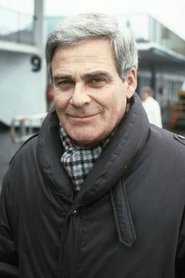
Karl-Heinz Vosgerau
Karl-Heinz Vosgerau
Self
Karl-Heinz Vosgerau
Self
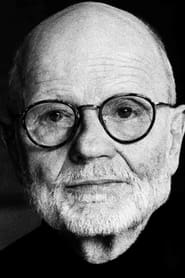
Günter Rohrbach
Günter Rohrbach
Self
Günter Rohrbach
Self
Moritz Eggert
Moritz Eggert
Self
Moritz Eggert
Self
Roland Blach
Roland Blach
Self
Roland Blach
Self
Traudl Nicholson
Traudl Nicholson
Self
Traudl Nicholson
Self
Juliane Lorenz
Juliane Lorenz
Self (uncredited)
Juliane Lorenz
Self (uncredited)
Similar Movies
Made during the last months of actor Kurt Raab, who died of AIDS in 1988. Raab, who had worked in both theatre and film, most notably with Fassbinder, was in the process of making a series of video sketches for a new production when he learned that he had AIDS. Despite his deteriorating health, and with the caring support of his friend Hans Hirshmuller, he carried on working. This tape is his last testimony.
A documentary about Fassbinder and the early years of the legendary Antiteater, the group he was a member/leader of. You can here see and hear some of the actors he was going to use in his movies for the next years. The movie shows rehearsals for his play "The Coffeehouse," which also became a television movie, and you can watch unique footage from the 19th Film Festival in Berlin (1969) where "Love is Colder Than Death" was shown. As told in this documentary, his first feature movie was given a cold shoulder by many of the journalists and visitors at the festival. You can in "End of the Commune" watch Fassbinder and actor Ulli Lommel walk out on stage after the opening of "Love is Colder Than Death,” while a man in the audience is shouting "Out with the director!” In this documentary, Fassbinder also talks a lot about his father, who was a respectable doctor.
Documentary on the life of actor Yusaku Matsuda. This is a documentary film produced on the occasion of the 60th anniversary of the birth of actor Yusaku Matsuda and the 20th anniversary of his death . It is composed of newly shot interviews as well as real voice interviews and treasured videos that were not officially revealed until now.
Seni Camara lives with her husband and family in the village of Bigona, in the Casamance region in southern Senegal. Working outside the local tradition of making pots and “useful” objects out of clay, Seni claims that through a “gift of God” she has been able to create thousands of bizarre, magnificent creatures — clay sculptures of astonishing originality. Although the villagers don’t know quite what to make of Seni and her art, she continues to work to support her family and to satisfy her own creative urge. The film follows Seni and her husband as they prepare the materials of her art. Together they dig up the hard dirt of the land and slowly mix it with water and sand until the clay is ready to be molded (she tells by taste). While Seni does the intense work of shaping the wet clay into her truly original forms, her husband prepares the final dye bath by harvesting and soaking wild nuts in water. Finally they fire the sculptures and dye them.