

Voices from Chernobyl
Documentary
Overview
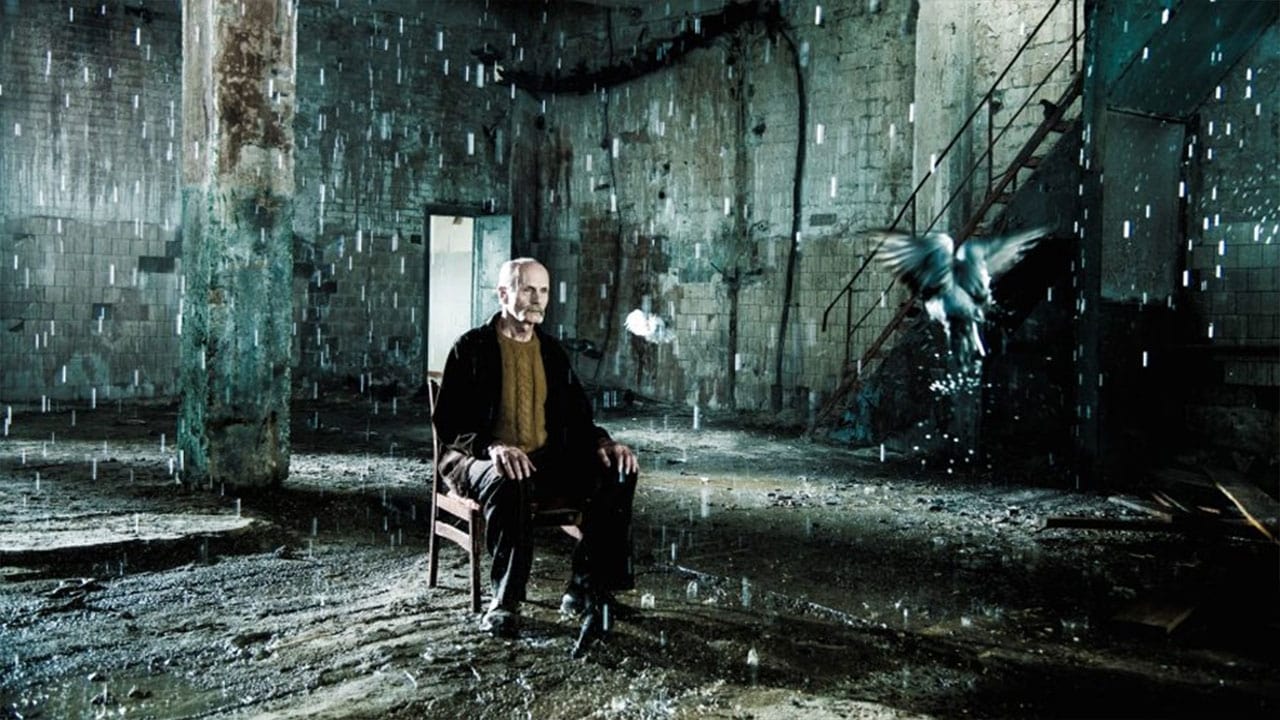
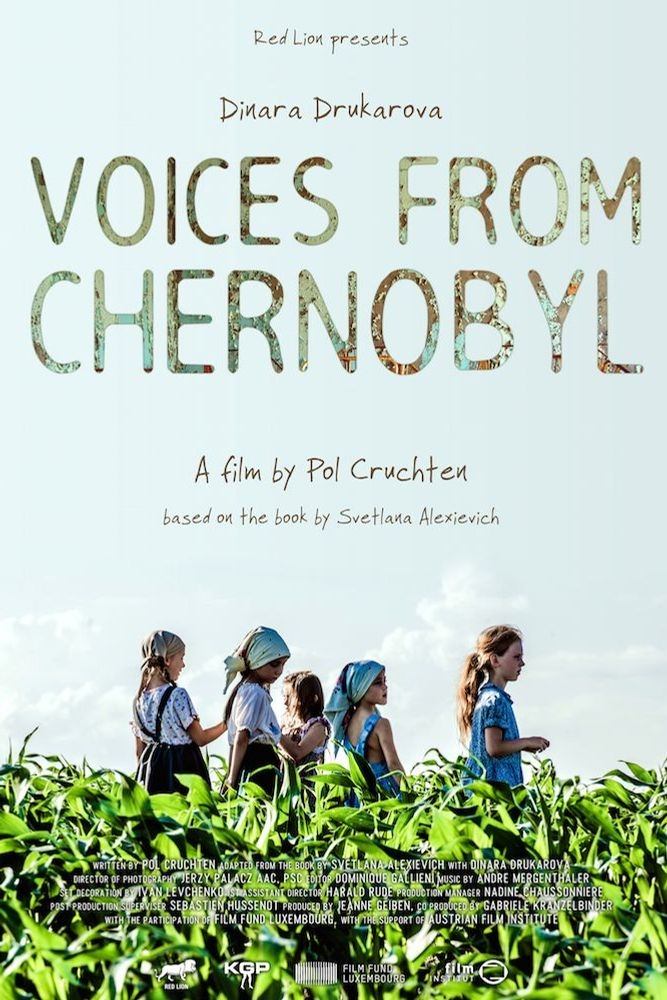
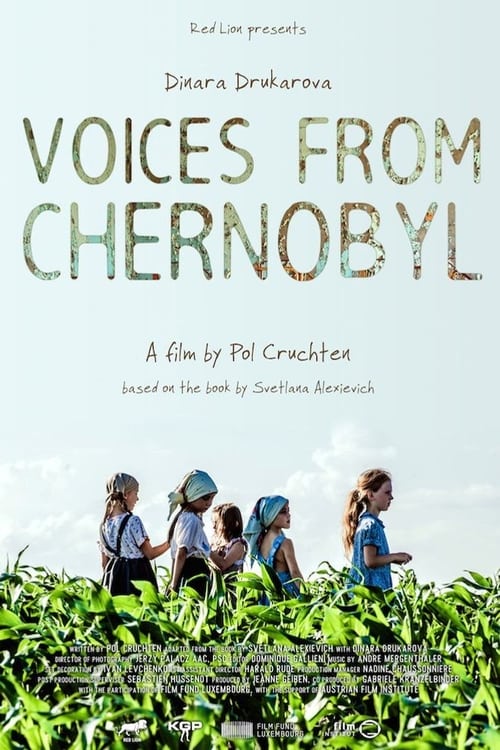
This film does not deal with Chornobyl, but rather with the world of Chornobyl, about which we know very little. Eyewitness reports have survived: scientists, teachers, journalists, couples, children... They tell of their old daily lives, then of the catastrophe. Their voices form a long, terrible but necessary supplication which traverses borders and stimulates us to question our status quo.





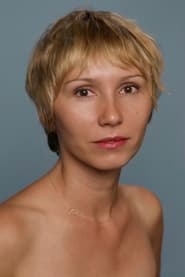
Dinara Drukarova
Dinara Drukarova
Valentina Timofeïevna
Dinara Drukarova
Valentina Timofeïevna
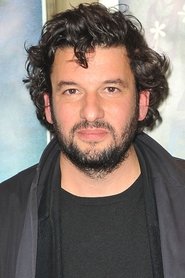
Éric Caravaca
Éric Caravaca
Le cadreur (voice)
Éric Caravaca
Le cadreur (voice)

Salomé Stévenin
Salomé Stévenin
Enfant / adolescent (voice)
Salomé Stévenin
Enfant / adolescent (voice)
Similar Movies
With unprecedented access to the nuclear industry in France, Russia, and the United States, Nuclear Now explores the possibility for the global community to overcome the challenges of climate change and energy poverty to reach a brighter future through the power of nuclear energy. Beneath our feet, Uranium atoms in the Earth’s crust hold incredibly concentrated energy. Science unlocked this energy in the mid-20th century, first for bombs and then to power submarines. The United States led the effort to generate electricity from this new source. Yet in the mid-20th century as societies began the transition to nuclear power and away from fossil fuels, a long-term PR campaign to scare the public began, funded in part by coal and oil interests.
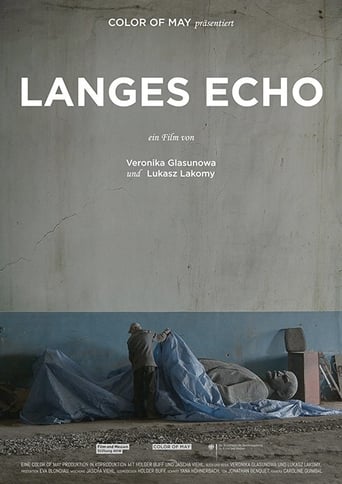
Dobropillia is a town located in Eastern Ukraine: 70 km from the border where conflicts with the breakaway republics are raging on and people feel always like being on the verge of total war. The sheer uncertainty about the future pushes folks to cling on to their daily habits while trying to get along with the ever-shifting political landscape. A wide array of wildly diversified characters try to cope as good as they can with the hardships in their town. A death metal band keeps rehearsing daily. A teacher guides visitors through the story of the city. The wonders of a vibrating armchair are tested as a tool against stress and anxiety. An elderly lady who has lost her son tries to talk some sense into her fellow citizens urging them to accept peace.
In this special documentary that inspired a two-season television series, scientists and other experts speculate about what the Earth, animal life, and plant life might be like if, suddenly, humanity no longer existed, as well as the effect humanity's disappearance might have on the artificial aspects of civilization.

An initiative discusses a videotape in which a group of activists portrays themselves and their work against the "nuclear power mafia." After argumentatively and polemically confronting the economic and political power of the energy industry, the activists call for the shutdown of escalators to counteract people's electro-paralysis.
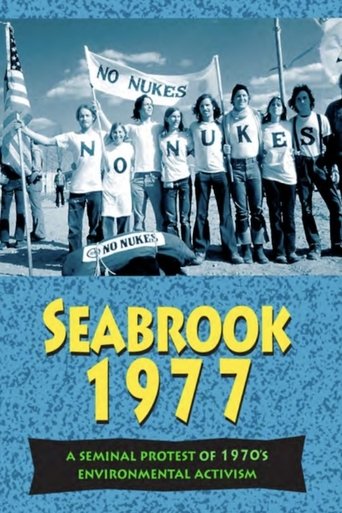
In April 1977, the small coastal town of Seabrook, New Hampshire became an international symbol in the battle over atomic energy. Concerned about the dangers of potential radioactive accidents, over 2,000 members of the Clamshell Alliance, a coalition of environmental groups, attempted to block construction of a nuclear power plant. 1,414 people were arrested in that civil disobedience protest and jailed en masse in National Guard armories for two weeks.
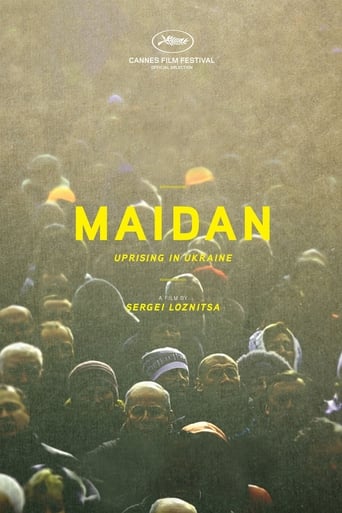
A chronicle of the civil uprising against the regime of Ukrainian president Viktor Yanukovych that took place in Kyiv in the winter of 2013/14. The film follows the progress of the revolution: from peaceful rallies, half a million strong in the Maidan square, to the bloody street battles between protesters and riot police.
Dr. Helen Caldicott is the most prominent anti-nuclear activist in the world. She's been featured on CNN, 60 Minutes, CBC and Democracy Now. In the 80s, Helen Caldicott campaigned against nuclear weapons testing in the pacific (still responsible today for the majority of tritium we're exposed to), and against the notion of a winnable nuclear war. She was nominated for a Nobel Peace Prize for her efforts. She has always made inaccurate statements regarding civilian nuclear power. But, since the Fukushima-Diachii radiation release has caused (and is projected to cause) zero fatalities... http://www.unis.unvienna.org/unis/en/... ...her tone has changed when speaking to supporters. This has not been acknowledged by prime-time media, as they continue to use her as a source. Any person or media outlet should check Caldicott's history of statements (on any subject) against a domain expert before using her as a source.
Askania-Nova is the largest steppe wildlife sanctuary in Europe. It is located in south part of Ukraine, not far from Crimea peninsula. In order to underline this unique beauty we created a documentary musical film about life of animals and people in wildlife sanctuary of Askania-Nova. The movie reveals stories of a three protagonists, whose destinies were entangled because of wildlife sanctuary.
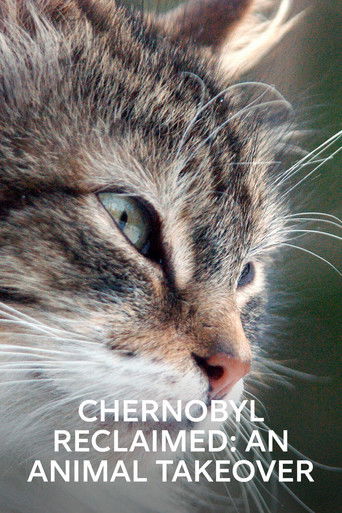
What would happen if the world were suddenly without people - if humans vanished off the face of the earth? How would nature react - and how swiftly? On the edge of Europe, the deserted village of Chernobyl reveals the surprising answer after an unplanned experiment. Chernobyl was abandoned by people after the worst nuclear disaster in history (April 26, 1986). A level 7 meltdown resulted in a severe release of radioactivity following a massive explosion that destroyed the reactor. More than 20 years later, Chernobyl has been taken over by a remarkable collection of wildlife and descendents of pets that were left in the city when its residents fled the nuclear fallout. Unexpectedly in the aftermath of this disaster, Chernobyl has become a sanctuary for plants, birds, and animals, including some species thought to be on the brink of extinction.