

La Traversée du Grépon
Overview
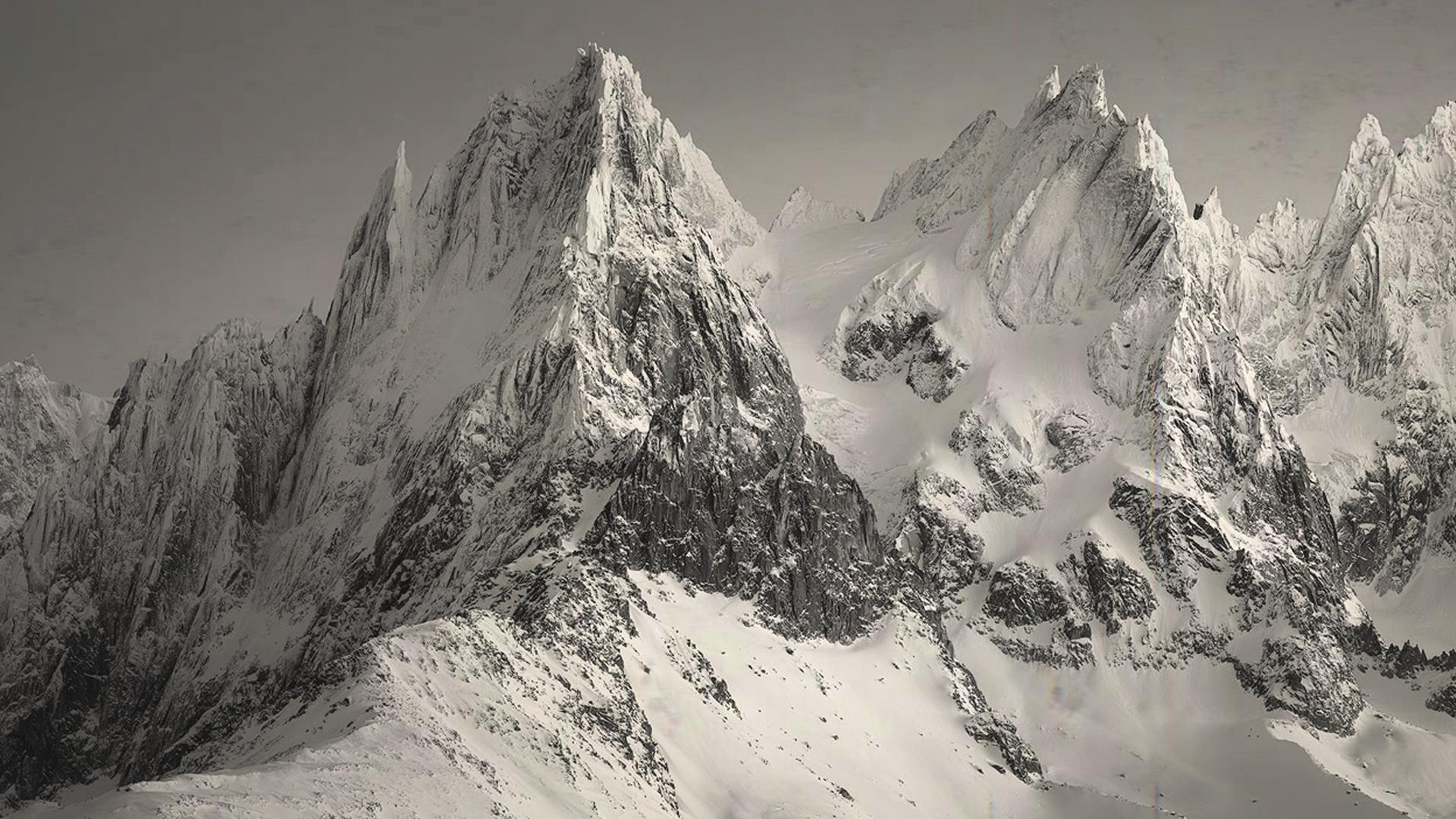
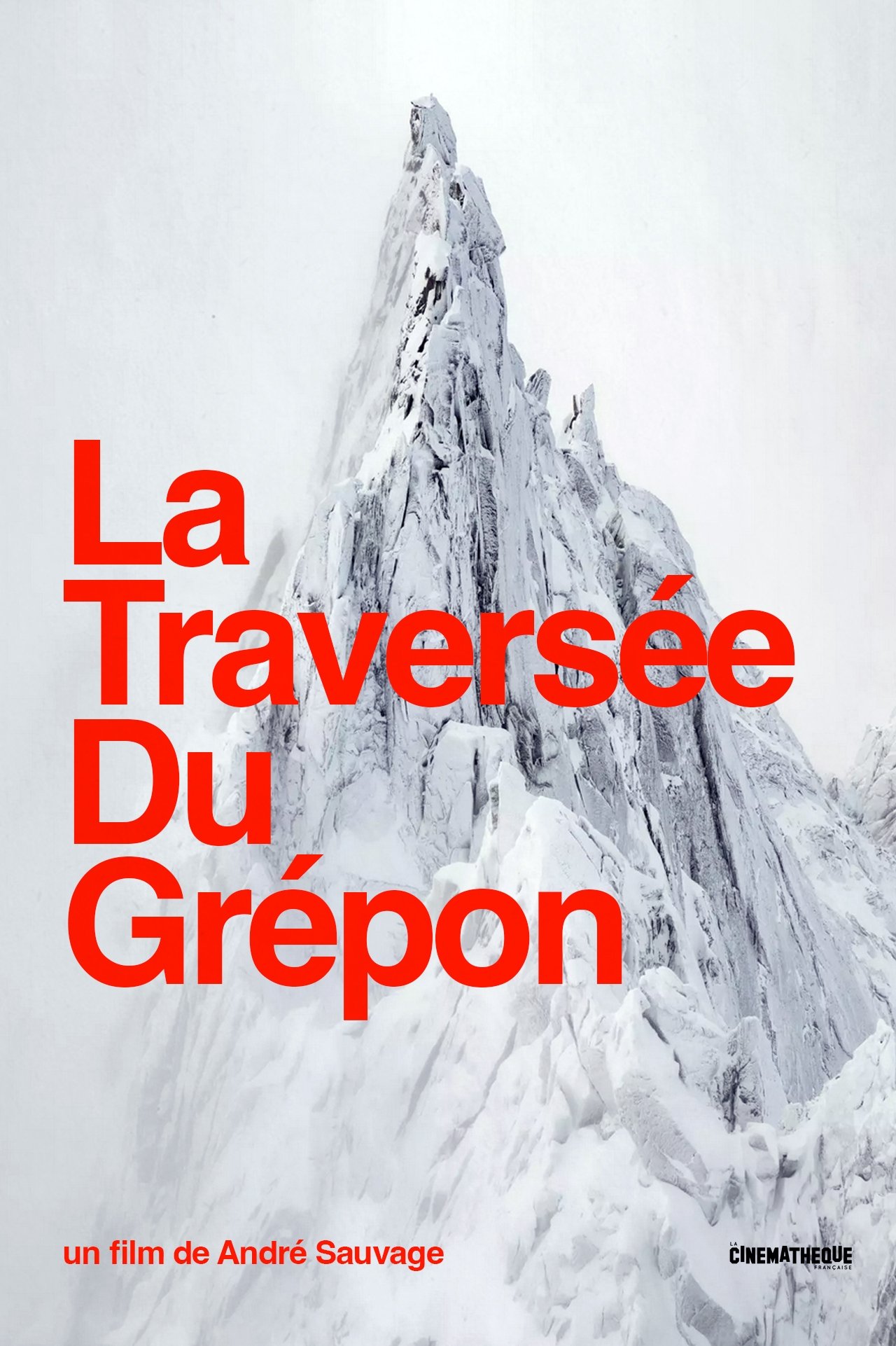
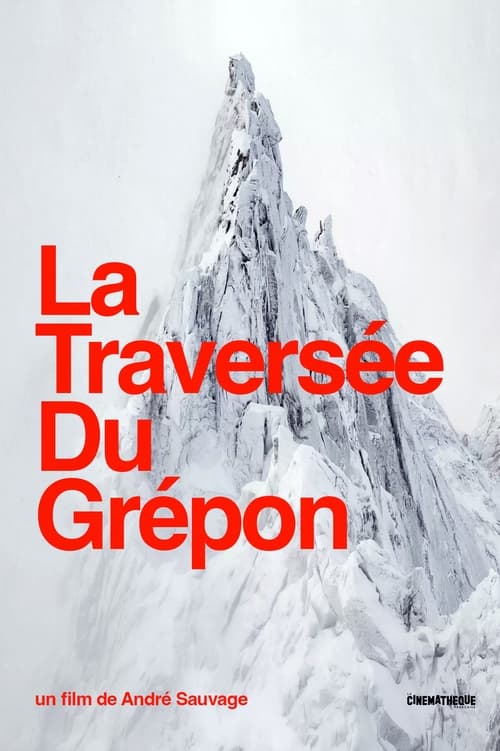
In 1923, André Sauvage produced his first film La Traversée du Grépon. Dedicated to mountaineering in the Mont Blanc massif, this documentary is a performance that earned him the recognition of his peers. André Sauvage and his companions decide to climb the Grépon, the best known of the Aiguilles de Chamonix, in the Mont Blanc Massif. Early in the morning, they cross the Mer de Glace, climb rocky peaks, abseil summits, cross crevasses, snowfields and long seracs. After sixteen hours of effort, the climbers return to the refuge. With his camera, Sauvage documents the difficult undertaking, also showing his strong passion for the mountains. "The deepest perception of mountains begins where intelligence ends." (A. Sauvage). Two long versions of the film have disappeared, one of 90 and the other of 51 minutes and only eight minutes are preserved.


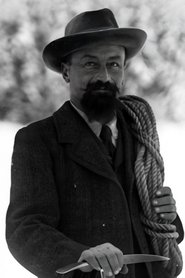
Gustave-Alfred Couttet
Gustave-Alfred Couttet
Self
Gustave-Alfred Couttet
Self
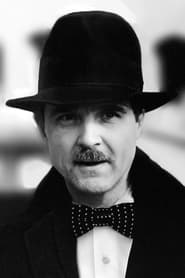
André Sauvage
André Sauvage
Self
André Sauvage
Self
Luc Couttet
Luc Couttet
Self
Luc Couttet
Self
Jean Tedesco
Jean Tedesco
Self
Jean Tedesco
Self
Similar Movies
Transcending cultural barriers and consistently going against the grain, female Nepali climber Pasang Lhamu Sherpa attempted to summit Everest four times in the early nineties. Although she was not allowed to attend school as a child, Pasang did not let that stop her from pursuing her dreams. After founding her own trekking company in Kathmandu, she blazed a trail for Nepali women via her efforts to summit Everest. Proving how big you can dream and how far you can go to achieve those dreams, she left a legacy not only for the family she has left behind, but for the myriad women following in her footsteps.
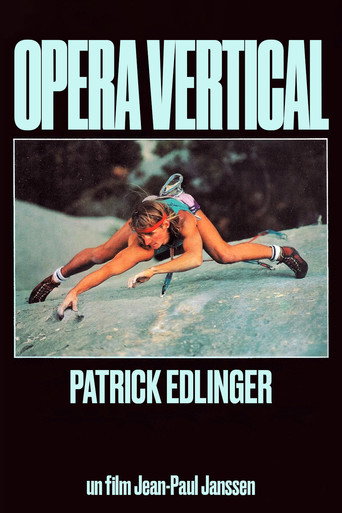
Vertical Opera is a documentary film directed by Jean-Paul Janssen, with climbers Patrick Edlinger and Jean-Paul Lemercier in the Gorges du Verdon. The film opens with a training sequence of Patrick Edlinger then he links the routes with Jean-Paul Lemercier "L'Ange en décongelation" (7a), in which he falls voluntarily to demonstrate the usefulness of the rope, then "Le Septième Saut" (7b+). Finally, the final scene, an anthology, consists of a close-up of Edlinger who climbs free solo and barefoot the route "Débiloff", still in the Verdon, above hundreds of meters of void, all to lyrical music. It is "Wie Furchtsam Wankten Meine Schritte", the aria for alto voice from Johann Sebastian Bach's cantata BWV 33, music not unrelated to the subject of the documentary: "How faltering and fearful my steps were".
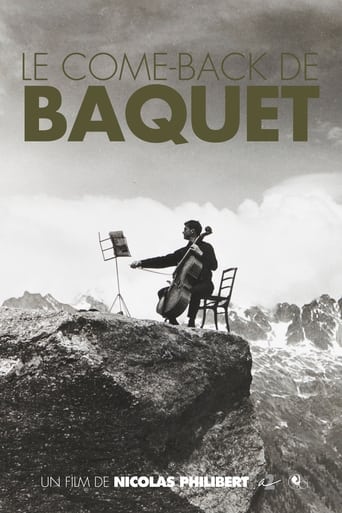
July 1956: like every summer, the actor and cellist Maurice Baquet temporarily deserts the stage and the cinema studios to go to Chamonix where the mountaineer Gaston Rebuffat is waiting for him. A few days later, the two men achieved a historic first, that of the south face of the Aiguille du Midi (3,842 m), a magnificent wall rising like a rampart above the Vallée Blanche. July 1988: to pay tribute to the memory of his friend Gaston, now deceased, Maurice Baquet once again climbed this wall suspended between heaven and earth with the man who, 50 years his junior, is considered one of his best contemporary mountaineers: Christophe Profit.
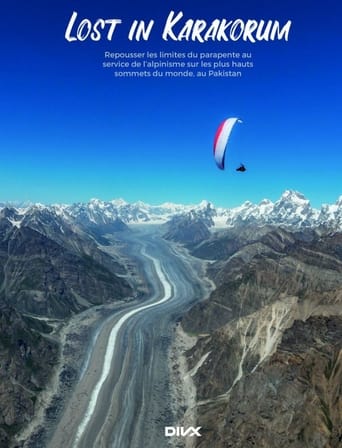
The epic 1500km bivouac flight of Damien Lacaze and Antoine Girard, two French paragliders and mountaineers, through the heart of the Himalayas and the Karakoram ranges. This journey is actually a prelude and acclimatization for their attempt to climb Spantik (7027m) from the nearest town in two days, using only paragliders. Is it truly feasible? What are the limitations of such an ascent? Can they earn a living from it?
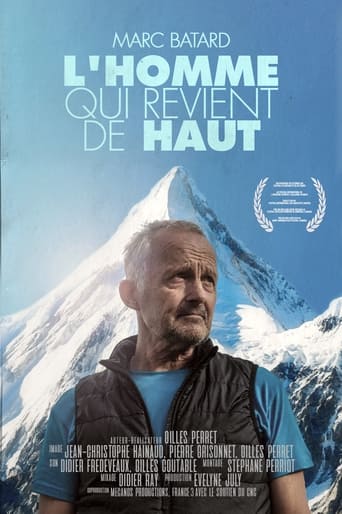
What compels a man to push the limits of what is attainable ever higher? After thirty years of relentless struggle with the highest peaks on earth, Marc Batard has finally found the answers to these questions. He had to reach the summit of Everest twice, once shattering the record for fastest time in 24 hours without oxygen, and climb the most difficult faces of the Alps to glimpse the path to inner healing. It was through physical suffering that he was able to confront the pain of his soul. He was finally able to talk about the violence of his childhood, the shock he carried like a ball and chain for decades. Having completed his summit therapy, Marc Batard tells his story in this documentary by Gilles Perret.
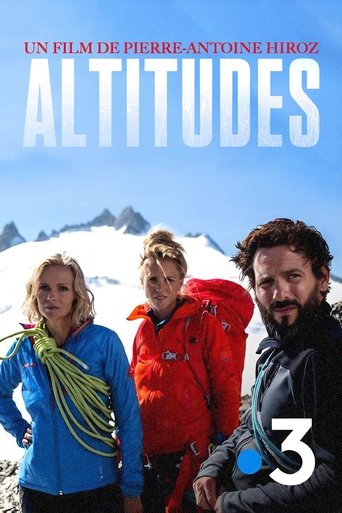
After 20 years away, Isabelle, a former climbing champion, returns to her village in the Alps for the funeral of her mountain-guide father. She decides to open up a new climbing route with the help of Kenza, her protégé - something she'd planned to do with her father. But the past and its secrets resurface through Antoine, a brilliant mountaineer who was Isabelle's first love.
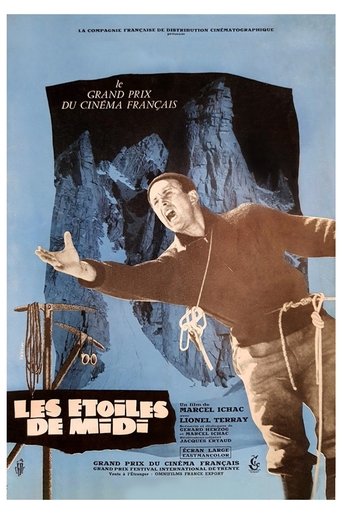
Les Etoiles de Midi is an engaging docudrama about some of the more spectacular exploits of French mountain climbers over the last several decades. In one re-enacted story, there is a wartime escape through the mountains, and in another, a daring rescue of a pair of climbers who had been missing. The actors themselves are adept at the sport of climbing, and they give the scenes an immediacy and real daring that brings the stories alive. A combination of their acrobatics and skill and the outstanding episodes in the history of French climbing creates a winning 78 minutes.