

Canada Vignettes: Wop May
History · Documentary · Animation
Overview
This short animated film is about Wop May, one of Canada's leading bush pilots in the 1920s.
Top Cast

Donald Brittain
Donald Brittain
Narrator
Donald Brittain
Narrator
Similar Movies
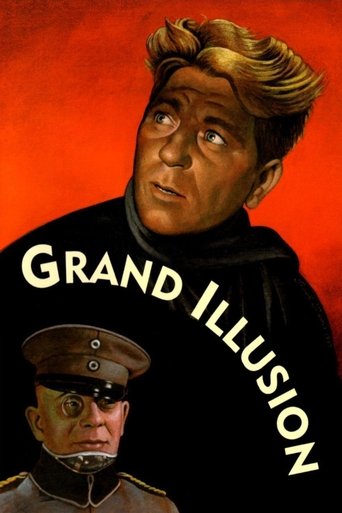
A group of French soldiers, including the patrician Captain de Boeldieu and the working-class Lieutenant Maréchal, grapple with their own class differences after being captured and held in a World War I German prison camp. When the men are transferred to a high-security fortress, they must concoct a plan to escape beneath the watchful eye of aristocratic German officer von Rauffenstein, who has formed an unexpected bond with de Boeldieu.
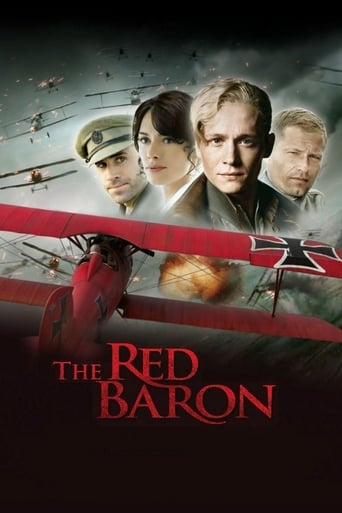
Richthofen goes off to war like thousands of other men. As fighter pilots, they become cult heroes for the soldiers on the battlefields. Marked by sportsmanlike conduct, technical exactitude and knightly propriety, they have their own code of honour. Before long he begins to understand that his hero status is deceptive. His love for Kate, a nurse, opens his eyes to the brutality of war.
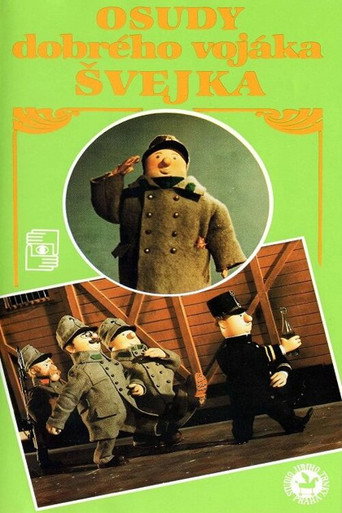
Adapting Jaroslav Hasek's raucous satirical novel, and also bringing Josef Lada's equally famous illustrations to garrulous puppet life, posed Trnka one of his biggest creative challenges. Trnka himself felt that the final episode was the most artistically successful, but there's much to enjoy in all three, not least the way that the lackadaisical layabout Svejk's own self-serving anecdotes are realized through cut-out animation.
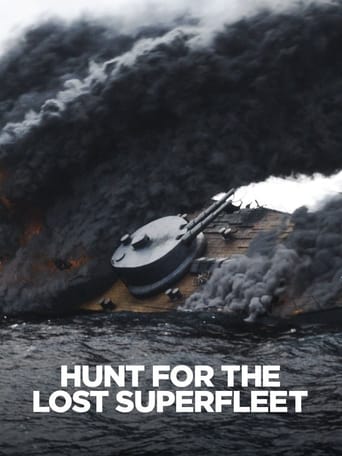
The Battle of the Falklands, between a Royal Navy task force and five German cruisers, was one of the most dramatic and bloodiest sea conflicts of World War I. When the smoke cleared, four of the German ships had sunk, including the flagship and pride of the German fleet, the SMS Scharnhorst. For decades, none of the downed vessels were ever found. Now, more than 100 years later, maritime archaeologist Mensun Bound and his team are searching for the ships and the secrets they hold. It's a race against time and the raging South Atlantic Ocean.
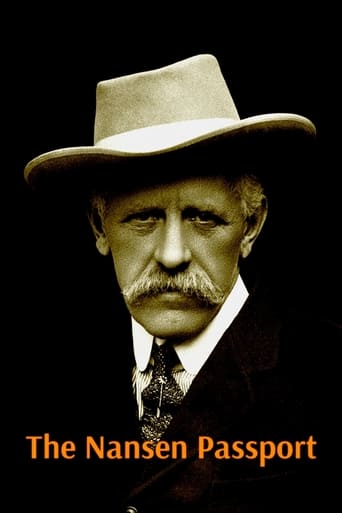
On July 5th, 1922, Norwegian explorer, scientist and diplomat Fridtjof Nansen creates a passport with which, between 1922 and 1945, he managed to protect the fundamental human rights as citizens of the world of thousands of people, famous and anonymous, who became stateless due to the tragic events that devastated Europe in the first quarter of the 20th century.