

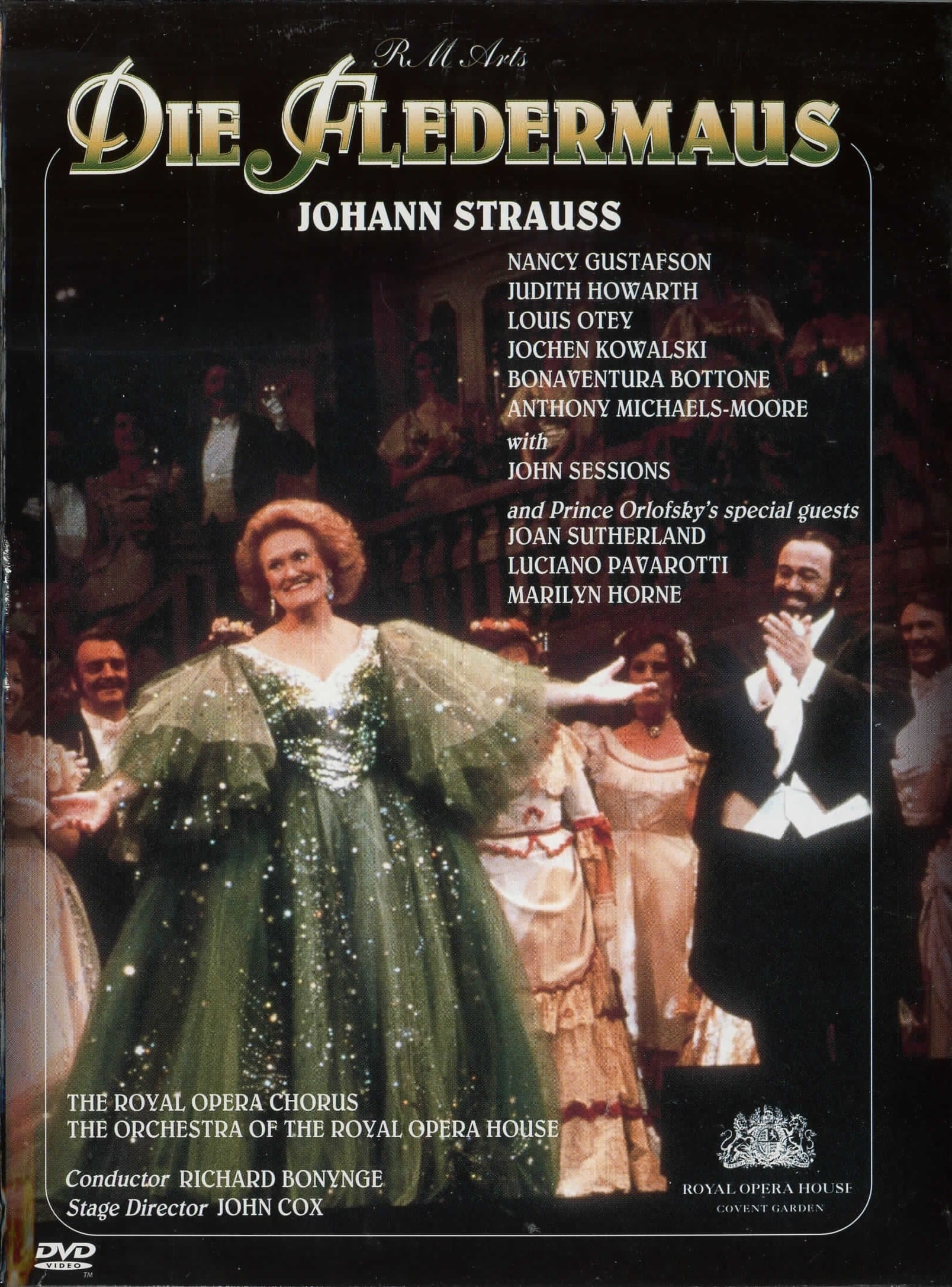
Die Fledermaus
Music · Comedy
Overview
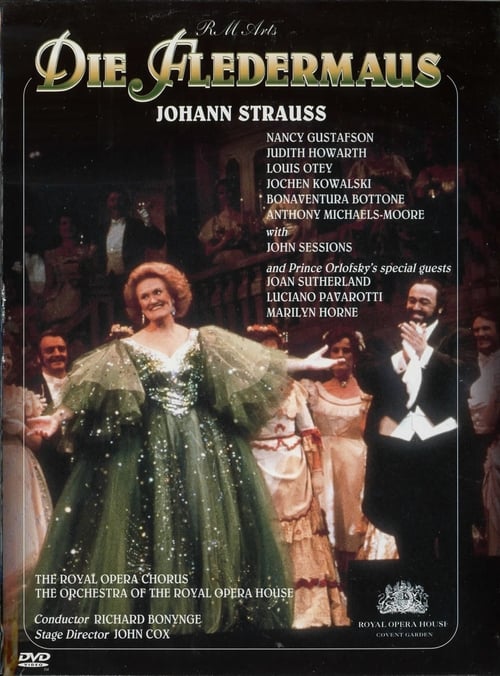
After the Viennese premiere, the Fledermaus (the bat) conquered the world. It is one of the few operettas that are regularly performed at the major opera houses such as the Metropolitan Opera, the Scala Milan, the Vienna State Opera and the Royal Opera House Convent Garden in London. John Cox directed this lavishly equipped production by Julia Trevelyan Oman initially in London in 1977. On New Year's Eve 1990, this staging offered the luxurious ambiance for the farewell to Joan Sutherland from her London audience. The singer had admired them since her first great success at this prestigious opera house in the fifties. The rushing feast in the second act reached its climax with its stormy cheered performance and the commitment of her friends and colleagues Luciano Pavarotti and Marilyn Horne, with whom she often stood together on the stage.
Top Cast
Nancy Gustafson
Rosalinde

Judith Howarth
Adele
Joan Sutherland
Party's Guest singer

Luciano Pavarotti
Party's Guest singer
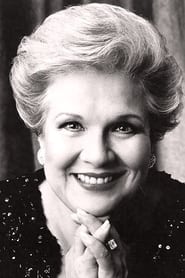
Marilyn Horne
Party's Guest singer
Louis Otey
Gabriel von Eisenstein
Bonaventura Bottone
Alfred
Anthony Michaels-Moore
Doctor Falke
Eric Garrett
Frank
John Dobson
Dr. Blind
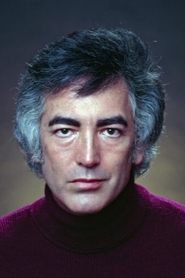
Richard Bonynge
Self - Conductor


Nancy Gustafson
Nancy Gustafson
Rosalinde
Nancy Gustafson
Rosalinde
Judith Howarth
Judith Howarth
Adele
Judith Howarth
Adele
Joan Sutherland
Joan Sutherland
Party's Guest singer
Joan Sutherland
Party's Guest singer
Luciano Pavarotti
Luciano Pavarotti
Party's Guest singer
Luciano Pavarotti
Party's Guest singer
Marilyn Horne
Marilyn Horne
Party's Guest singer
Marilyn Horne
Party's Guest singer
Louis Otey
Louis Otey
Gabriel von Eisenstein
Louis Otey
Gabriel von Eisenstein
Bonaventura Bottone
Bonaventura Bottone
Alfred
Bonaventura Bottone
Alfred
Anthony Michaels-Moore
Anthony Michaels-Moore
Doctor Falke
Anthony Michaels-Moore
Doctor Falke
Eric Garrett
Eric Garrett
Frank
Eric Garrett
Frank
John Dobson
John Dobson
Dr. Blind
John Dobson
Dr. Blind
Similar Movies
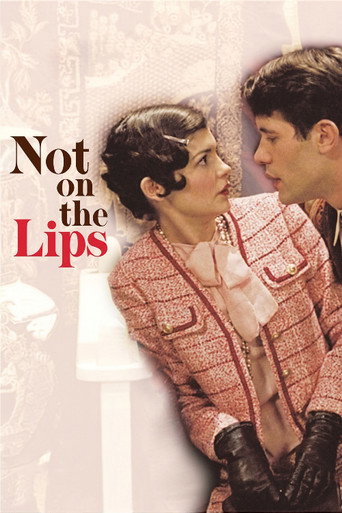
A musical drawing room farce set in Paris circa October, 1925. Middle-aged Gilberte flirts with men but loves her husband Georges, wishing he were more demonstrative. He's negotiating a deal with American Eric Thomson, who turns out to be Gilberte's first husband from an annulled and secret stateside marriage. Along with her sister Arlette, Gilberte begs Eric not to tell Georges about their past. Meanwhile, a young artist, Charly, pursues Gilberte while Arlette tries to match him with the young Huguette, who loves him. Will Eric play along or try to re-win Gilberte's affection? Can Gilberte play one off against another? And who will manage to kiss whom on the lips?
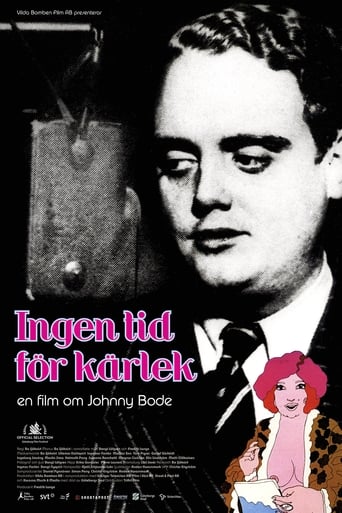
A film about Johnny Bode. Schlager diva, Operetta hero, filth musical innovator, enfant terrible, compulsive liar and amoral rogue. Johnny Bode (1912-1983) was very successful in Sweden and Europe. Yet he is today almost completely forgotten. Why? His life was so overwhelming, glamorous, fast and bizarre. So un-Swedish. He became fascinated by the nazism. Was arrested by the Gestapo and detained at Grini concentration camp in Norway. For five weeks. After the war he moved to East Berlin and proclaimed himself a dear friend of the GDR. Later he was deported and returned to Sweden. A time of fencing and small crimes followed. Escaped to Brussels at first and later Vienna. He was, as Juan Delgada, hired by the Vienna Opera to create new operettas. And was very successful. Johnny Bode died exhausted alone and abandoned in Malmö during the summer of 1983.
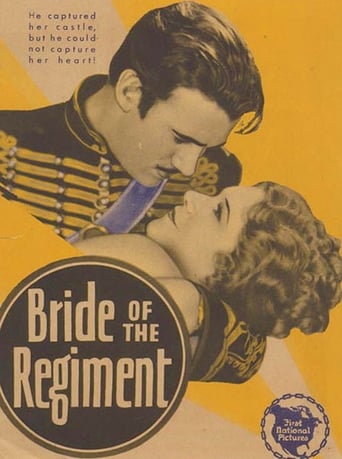
As they are leaving the church following their wedding, Count Adrian Beltrami and Countess Anna-Marie are told that the Austrians are marching on the town to quell an Italian uprising. The bride and relatives induce the count to flee to his castle, but Tangy, a silhouette cutter, brings word from the revolutionary committee asking him to return; the count goes, asking Tangy to pose as the count and protect Anna-Marie.
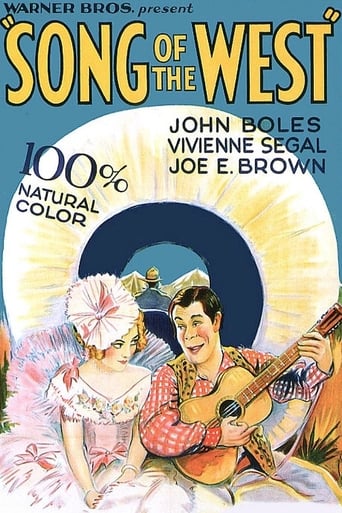
Captain Stanton, who because of a misunderstanding over a woman with Major Davolo, has been cited for a court martial. As a scout, he is sent to escort a wagon train which is under military escort. It turns out that this escort is his own former regiment. When he meet Davolo, there is another fight and between Stanton and Davolo in which Davolo is killed.
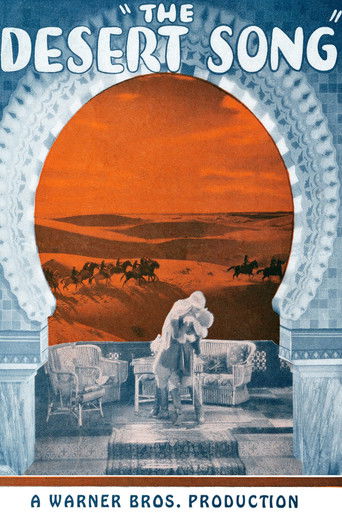
French General Birabeau has been sent to Morocco to root out and destroy the Riffs, a band of Arab rebels, who threaten the safety of the French outpost in the Moroccan desert. Their dashing, daredevil leader is the mysterious "Red Shadow". Margot Bonvalet, a lovely, sassy French girl, is soon to be married at the fort to Birabeau's right-hand man, Captain Fontaine. Birabeau's son Pierre, in reality the Red Shadow, loves Margot, but pretends to be a milksop to preserve his secret identity. Margot tells Pierre that she secretly yearns to be swept into the arms of some bold, dashing sheik, perhaps even the Red Shadow himself. Pierre, as the Red Shadow, kidnaps Margot and declares his love for her.
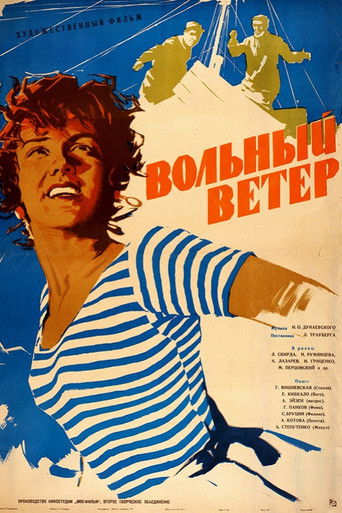
Based on the operetta of the same name by Isaak Dunayevsky. The port town of one of the small southern countries. After the Nazi occupiers left, the port's berths were empty, the steamers did not smoke, cargo cranes stood. Fearing retaliation for collaborating with enemies, port owner Georg Stan fled the city. After waiting a while and securing the support of local authorities, Stan nonetheless returns - and loading operations begin in the port. While loading oranges, the sailor Yango and the beautiful Stella are preparing for the wedding. Suddenly, Stan makes a proposal to the girl and tricks her into agreeing. Upon learning of the deception, the girl runs away to Yango. Having discovered weapons intended to support fascism in the drawer of the hold, the heroes do everything possible to make the boxes fall to the bottom of the sea.
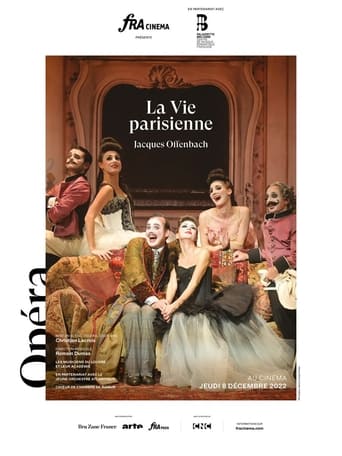
La Vie parisienne (Parisian life) is an opéra bouffe, or operetta, composed by Jacques Offenbach in 1866, with a libretto by Henri Meilhac and Ludovic Halévy. This work was Offenbach's first full-length piece to portray contemporary Parisian life, unlike his earlier period pieces and mythological subjects. It became one of Offenbach's most popular operettas.