


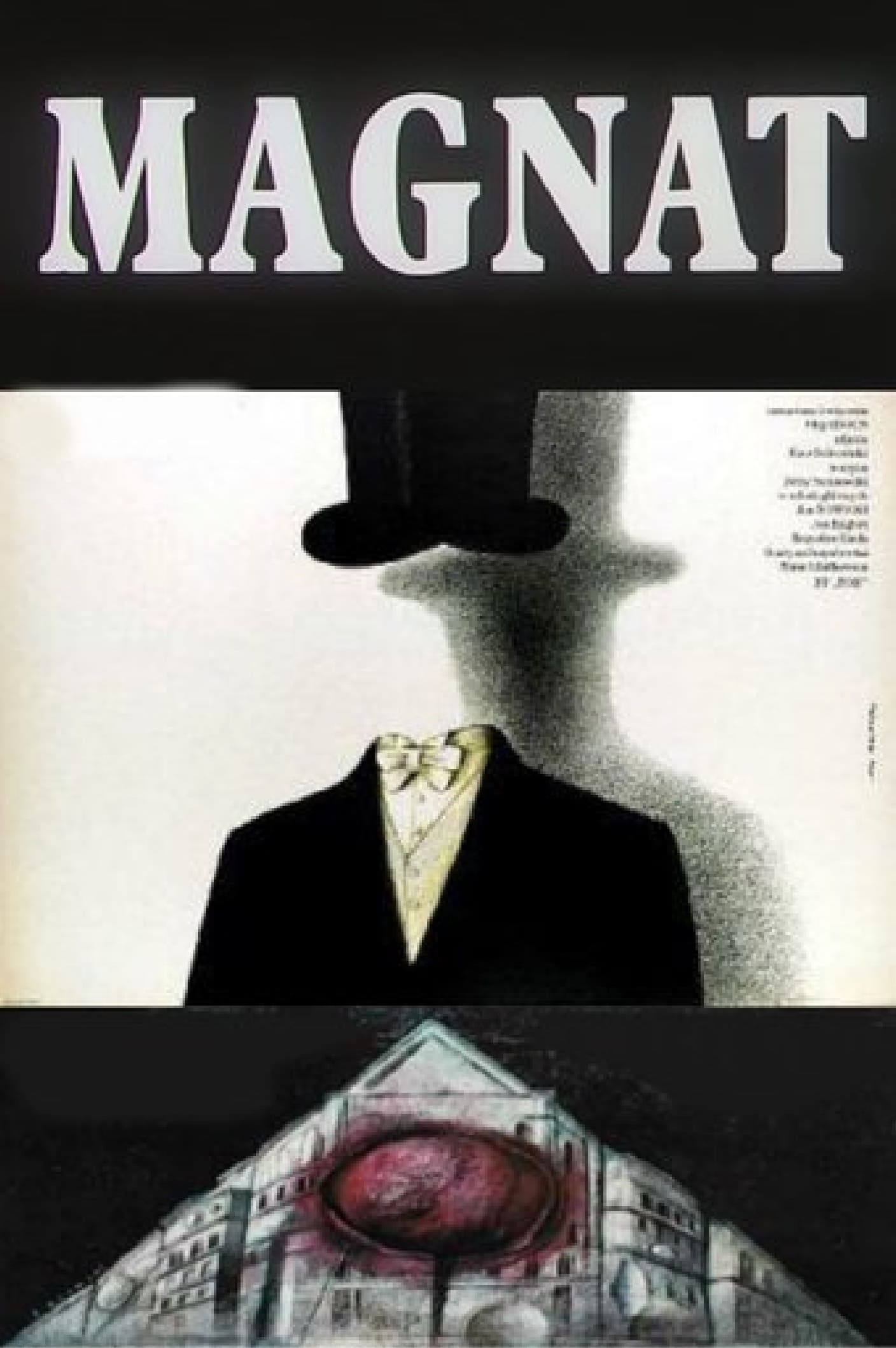
The Magnate
Drama · History
Overview
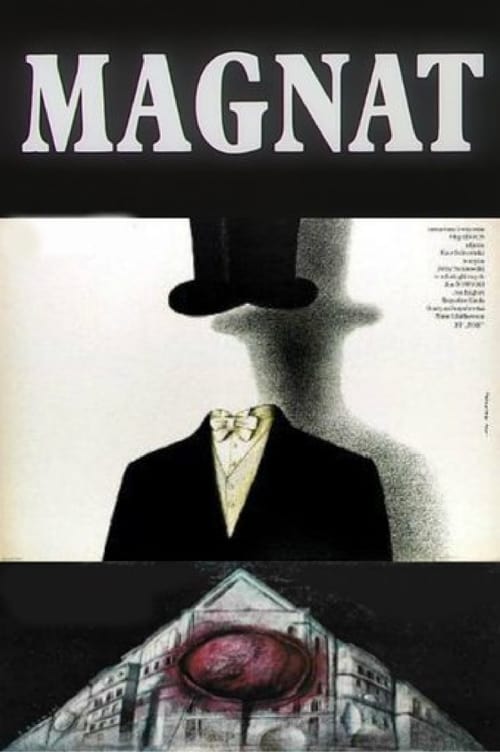
This Polish historical drama film traces the fascinating saga of a wealthy, princely Polish dynasty in years 1900-1935.
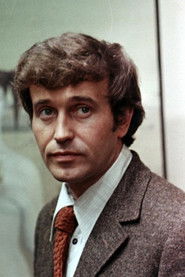
Jan Nowicki
Jan Nowicki
Prince Hans Heinrich XV von Teuss
Jan Nowicki
Prince Hans Heinrich XV von Teuss
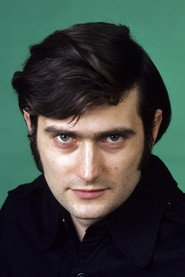
Olgierd Łukaszewicz
Olgierd Łukaszewicz
Franzel von Teuss
Olgierd Łukaszewicz
Franzel von Teuss
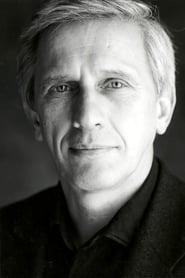
Jan Englert
Jan Englert
Conrad von Teuss
Jan Englert
Conrad von Teuss
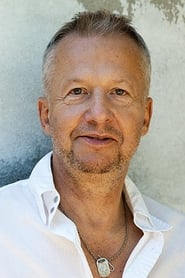
Bogusław Linda
Bogusław Linda
Bolko von Teuss
Bogusław Linda
Bolko von Teuss

Grażyna Szapołowska
Grażyna Szapołowska
Marisca von Teuss
Grażyna Szapołowska
Marisca von Teuss

Maria Gładkowska
Maria Gładkowska
Daisy von Teuss
Maria Gładkowska
Daisy von Teuss

Rolf Hoppe
Rolf Hoppe
Heinberg
Rolf Hoppe
Heinberg
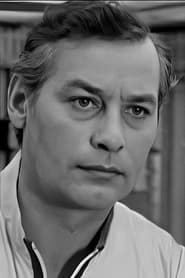
Alfred Struwe
Alfred Struwe
Wilhelm II, German Emperor
Alfred Struwe
Wilhelm II, German Emperor
Walter Jäckel
Walter Jäckel
Joseph Goebbels
Walter Jäckel
Joseph Goebbels
Similar Movies
Nora is a young housewife and mother, living in a quaint little village with her husband and their two sons. The Swiss countryside is untouched by the major social upheavals the movement of 1968 has brought about. Nora’s life is not affected either; she is a quiet person who is liked by everybody – until she starts to publicly fight for women’s suffrage, which the men are due to vote on in a ballot on February 7, 1971.
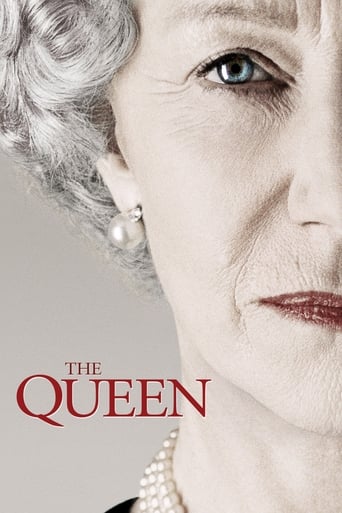
The Queen is an intimate behind the scenes glimpse at the interaction between HM Elizabeth II and Prime Minister Tony Blair during their struggle, following the death of Diana, to reach a compromise between what was a private tragedy for the Royal family and the public's demand for an overt display of mourning.
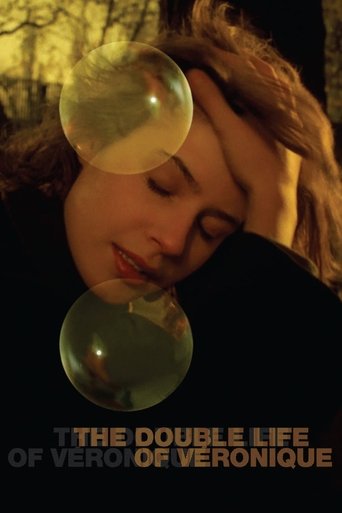
Véronique is a beautiful young French woman who aspires to be a renowned singer; Weronika lives in Poland, has a similar career goal and looks identical to Véronique, though the two are not related. The film follows both women as they contend with the ups and downs of their individual lives, with Véronique embarking on an unusual romance with Alexandre Fabbri, a puppeteer who may be able to help her with her existential issues.
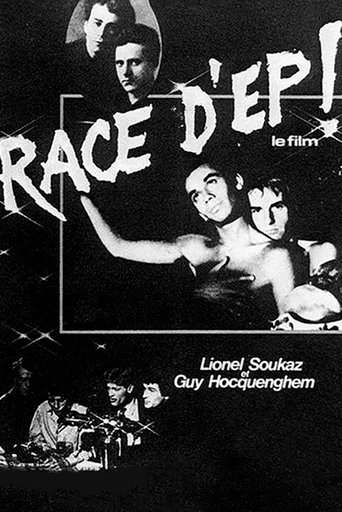
"Race d’Ep!" (which literally translates to "Breed of Faggots") was made by the “father of queer theory,” Guy Hocquenghem, in collaboration with radical queer filmmaker and provocateur Lionel Soukaz. The film traces the history of modern homosexuality through the twentieth century, from early sexology and the nudes of Baron von Gloeden to gay liberation and cruising on the streets of Paris. Influenced by the groundbreaking work of Michel Foucault on the history of sexuality and reflecting the revolutionary queer activism of its day, "Race d’Ep!" is a shockingly frank, sex-filled experimental documentary about gay culture emerging from the shadows.
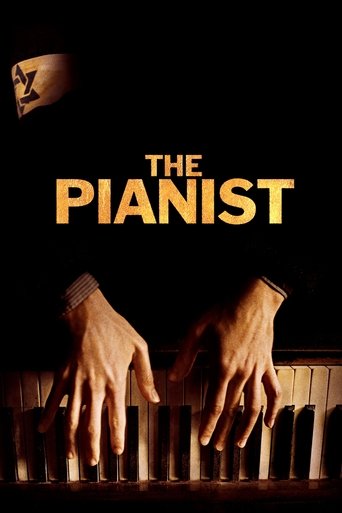
The true story of pianist Władysław Szpilman's experiences in Warsaw during the Nazi occupation. When the Jews of the city find themselves forced into a ghetto, Szpilman finds work playing in a café; and when his family is deported in 1942, he stays behind, works for a while as a laborer, and eventually goes into hiding in the ruins of the war-torn city.
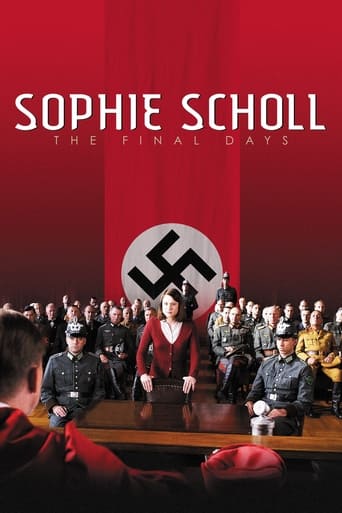
In 1943, as Hitler continues to wage war across Europe, a group of college students mount an underground resistance movement in Munich. Dedicated expressly to the downfall of the monolithic Third Reich war machine, they call themselves the White Rose. One of its few female members, Sophie Scholl is captured during a dangerous mission to distribute pamphlets on campus with her brother Hans. Unwavering in her convictions and loyalty to the White Rose, her cross-examination by the Gestapo quickly escalates into a searing test of wills as Scholl delivers a passionate call to freedom and personal responsibility.