

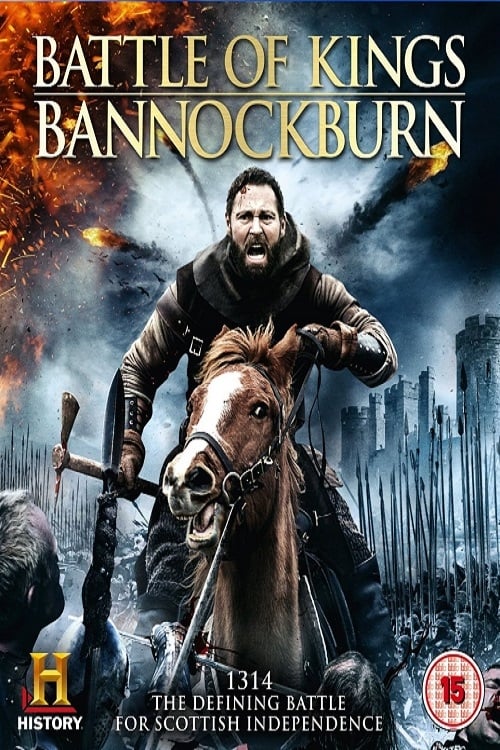
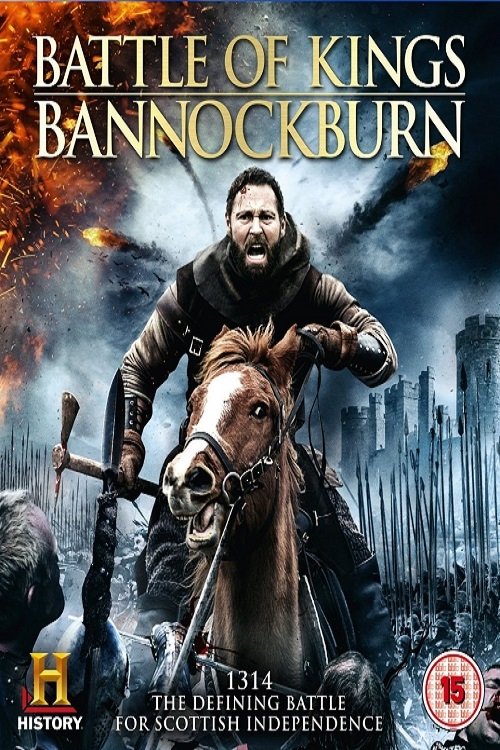
Battle of Kings: Bannockburn
War · Documentary
Overview
By 1314, through effort and intrigue, Scottish King Robert Bruce had captured every major English-held castle except Stirling. Now English King Edward II would try to stop him - and subdue the Scottish rebellion forever. This is the story of the pivotal campaign culminating at the decisive Battle of Bannockburn, in the shadow of Stirling Castle. Today as Scotland contemplates a countdown to a referendum for renewed Scottish independence, we search the hearts and minds of the characters whose efforts at the Battle of Bannockburn would build a nation. Filmed in the style of 300 and Sin City and with intense and bloody battle scenes, we bring to life one of the most iconic times in Scottish history.

Adrian Bouchet
Adrian Bouchet
Robert the Bruce
Adrian Bouchet
Robert the Bruce
David M. Cvet
David M. Cvet
King Edward I
David M. Cvet
King Edward I

Jordan Heron
Jordan Heron
Sir Christopher Seton
Jordan Heron
Sir Christopher Seton
Christos Lawton
Christos Lawton
King Edward II
Christos Lawton
King Edward II
Marcello Walton
Marcello Walton
Sir Philip Mowbray
Marcello Walton
Sir Philip Mowbray
Similar Movies
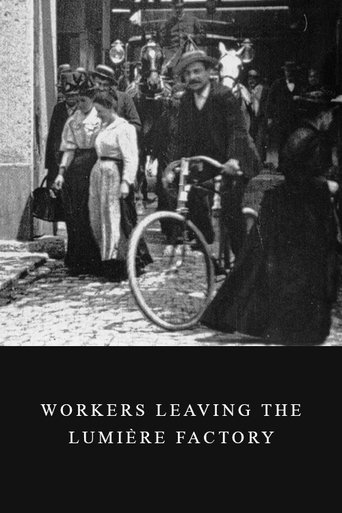
Working men and women leave through the main gate of the Lumière factory in Lyon, France. Filmed on 22 March 1895, it is often referred to as the first real motion picture ever made, although Louis Le Prince's 1888 Roundhay Garden Scene pre-dated it by seven years. Three separate versions of this film exist, which differ from one another in numerous ways. The first version features a carriage drawn by one horse, while in the second version the carriage is drawn by two horses, and there is no carriage at all in the third version. The clothing style is also different between the three versions, demonstrating the different seasons in which each was filmed. This film was made in the 35 mm format with an aspect ratio of 1.33:1, and at a speed of 16 frames per second. At that rate, the 17 meters of film length provided a duration of 46 seconds, holding a total of 800 frames.
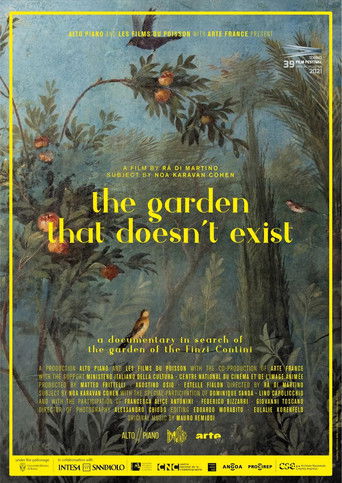
Once upon a time there was a garden, a refuge, a safe haven - 'The Garden of the Finzi Continis'. It came to life in Giorgio Bassani's 1962 semi-autobiographical novel recounting an unfulfilled love story between two young Jews in Ferrara, while fascism was raging in Italy in the late 1930's. In 1972, Vittorio De Sica's film adaptation of the book won the Oscar for Best Foreign Language Film. Since then, the fictional space of the garden became so tangible that people from all over the world come to Ferrara to look for it. Fifty years after winning the Oscar, reality and fiction come together once more, as we walk through an imaginary garden and bring to life the book, its author, its main protagonists, history, love, friendships and betrayals.
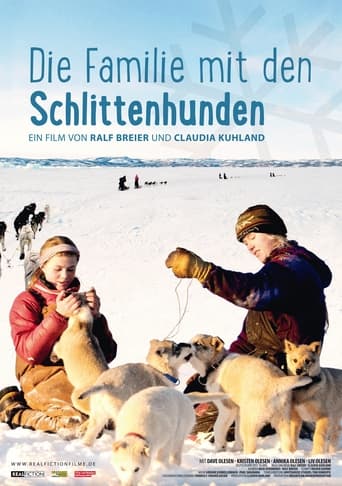
Out of love for Huskies, nature and cold winters Dave and Kristen Olesen moved from Minnesota to the North West Territories in Canada 25 years ago to create their own little universe on the magnificent East arm of Great Slave Lake. With their two daughters Annika 15 and Liv 12 and their 37 dogs, the Olesens enjoy a unique lifestyle in the wide open wilderness far away from civilization. One winter they all leave their self-built homestead with ten dogs on a two and a half thousand mile family expedition allowing Annika to run the Junior Iditarod in Alaska. As unexpected obstacles all along the trip culminate in three heavily injured dogs the whole endeavor is at risk. Optimism, love and loyalty prevail on this exciting epic family voyage.
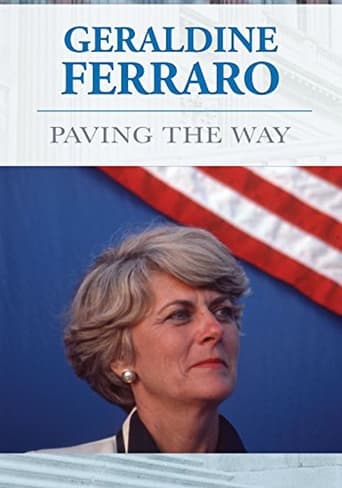
A documentary by Donna Zaccaro about the political trailblazer, Geralidine Ferraro. Featuring interviews with Bill and Hillary Clinton, George and Barbara Bush, Walter Mondale, and Geraldine Ferraro herself, among others, this is a heartwarming and engrossing portrait of the first woman who was nominated for vice president, whose legacy still reverberates today.
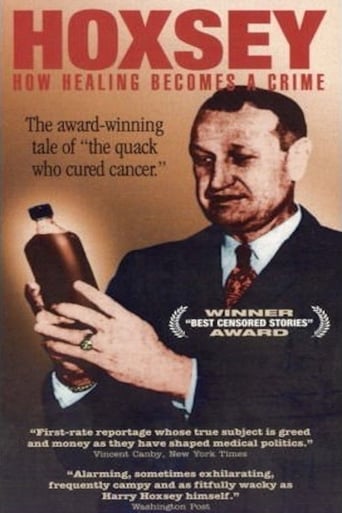
In the 1920s, former coal miner Harry Hoxsey claimed to have an herbal cure for cancer. Although scoffed at and ultimately banned by the medical establishment, by the 1950s, Hoxsey's formula had been used to treat thousands of patients, who testified to its efficacy. Was Hoxsey's recipe the work of a snake-oil charlatan or a legitimate treatment? Ken Ausubel directs this keen look into the forces that shape the policies of organized medicine.