

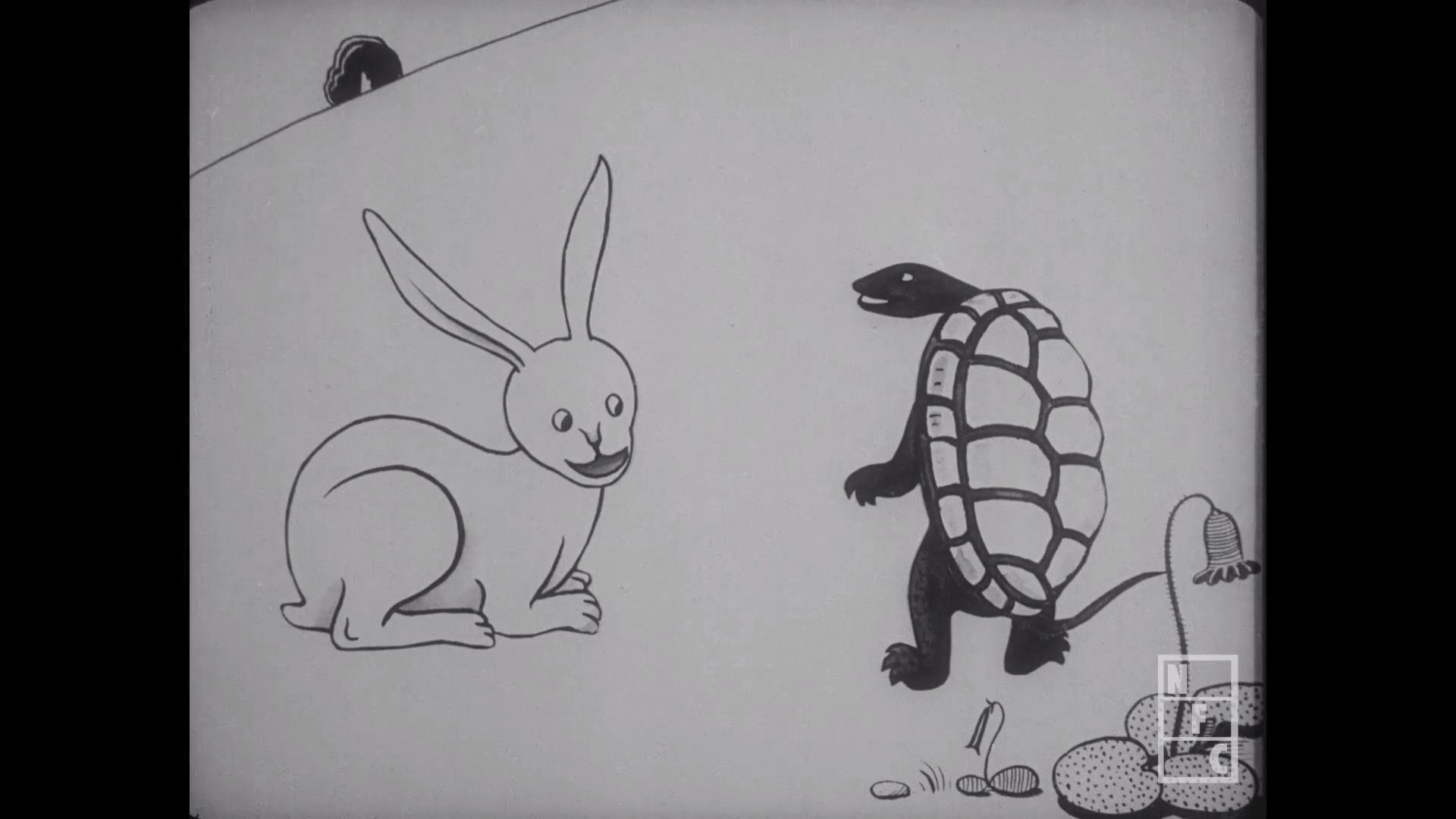
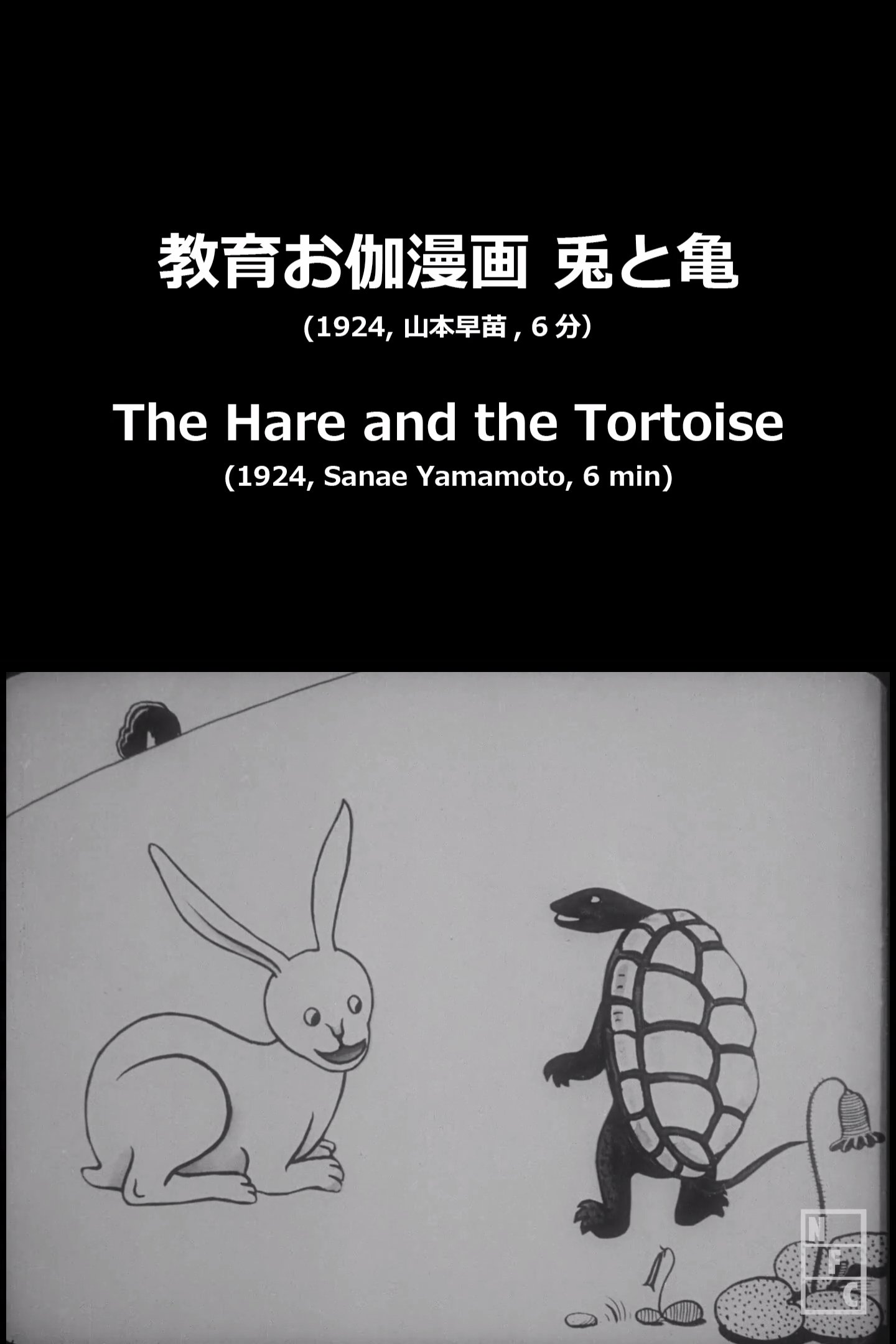
The Hare and the Tortoise
Animation
Overview
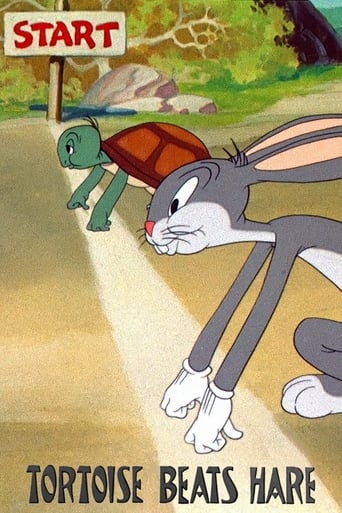
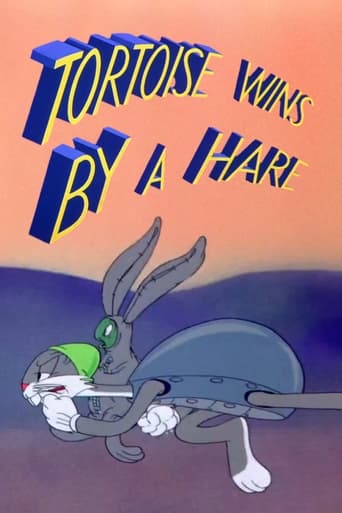
A retelling of the classic Aesop Fable, The Tortoise and the Hare.




No cast information.
Similar Movies
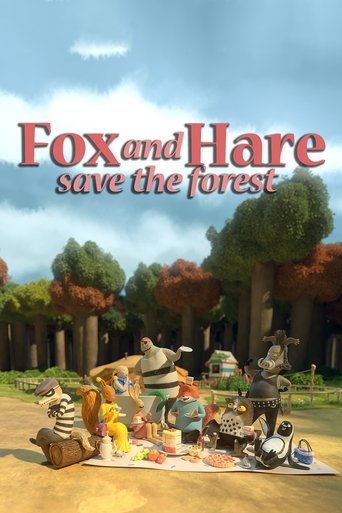
One day, Fox and Hare find that Owl has disappeared. Together with their friends, they search the forest to find him, but instead they discover a big lake that was not there before. Could the sudden appearance of the lake have anything to do with Owl’s disappearance? They must go and find Owl, who is somewhere out there on the rapidly rising water... It is the start of an exciting and fun adventure.
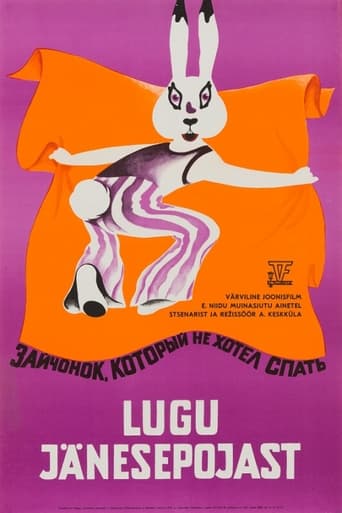
A psychedelic Soviet/Estonian animation short. A hare boy doesn't want to go to sleep in the evening. His mother tries to scare him with a fox, a wolf and a bear, but he is not afraid of any of them. Suddenly, a small mouse appears on the floor - and the hare boy goes quickly under the blanket.
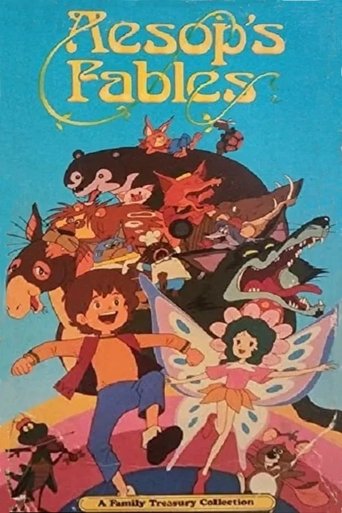
Aesop is a trouble-making young boy who finds himself in another world filled with creatures he never believed to exist, such as fairies and talking donkeys. He sets off to find a way back to the normal world. On his journey he befriends many classical creatures from well-known fables and encounters many trials, each teaching him a valuable lesson.
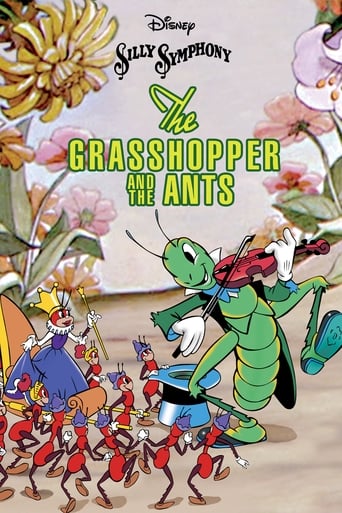
As in the classic fable, the grasshopper plays his fiddle and lives for the moment, while the industrious ants squirrel away massive amounts of food for the winter. With his song, he's able to convince at least one small ant until the queen arrives and scares him back to work. The queen warns the grasshopper of the trouble he'll be in, come winter. Winter comes, and the grasshopper, near starvation, stumbles across the ants, who are having a full-on feast in their snug little tree. They take him in and warm him up. The queen tells him only those who work can eat so he must play for them. Written by Jon Reeves
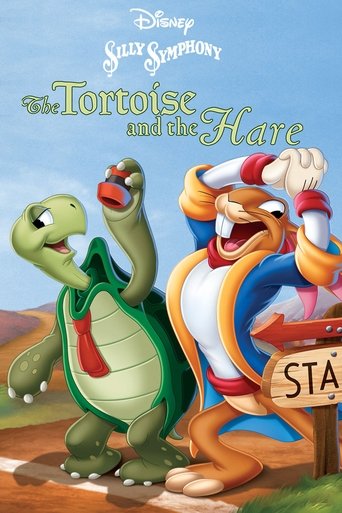
The Tortoise and the Hare is an animated short film released on January 5, 1935 by United Artists, produced by Walt Disney and directed by Wilfred Jackson. Based on an Aesop's fable of the same name, The Tortoise and the Hare won the 1934 Academy Award for Best Short Subject: Cartoons. This cartoon is also believed to be one of the influences for Bugs Bunny.