

In the Labyrinth
Documentary · Animation
Overview
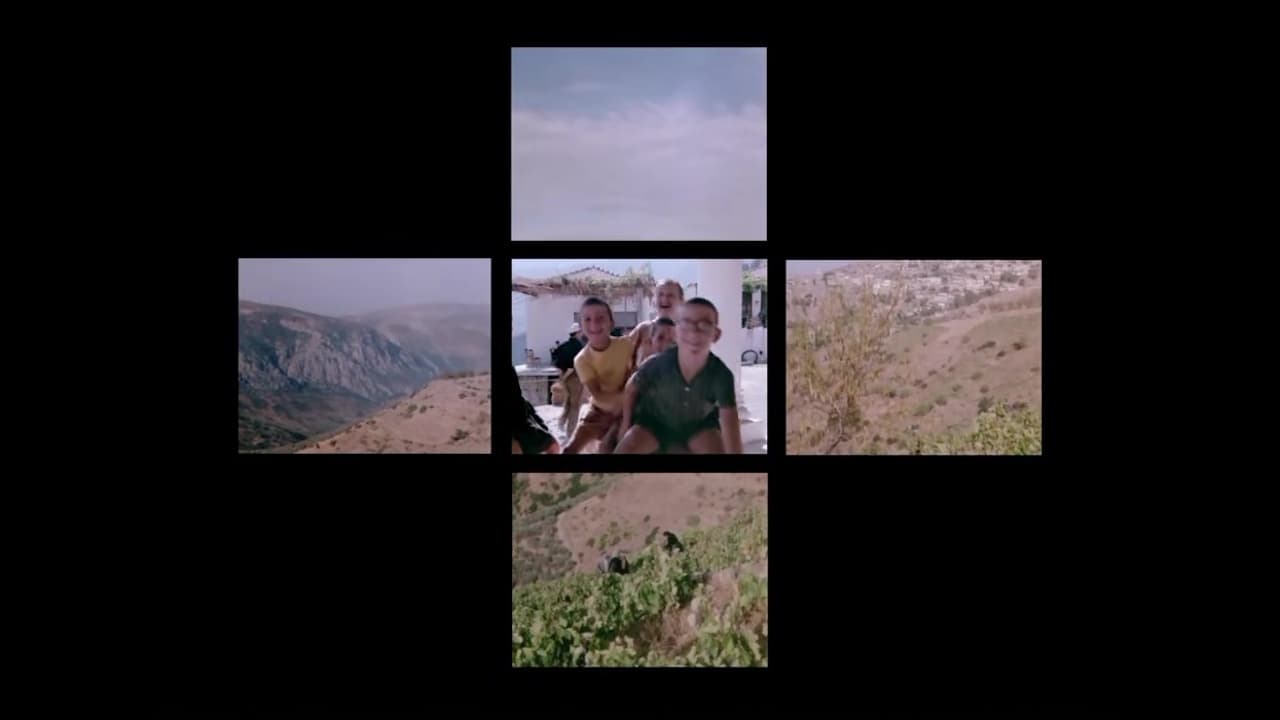
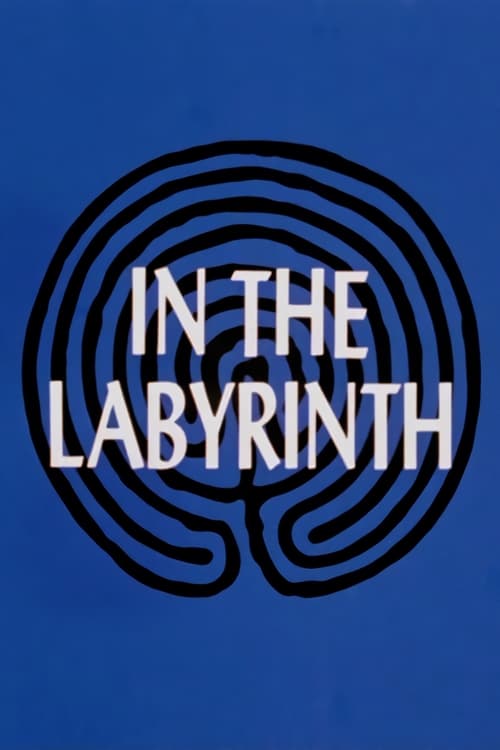
"Labyrinth" is a groundbreaking multi-screen 45-minute presentation produced for Chamber III of the Labyrinth at Expo 67 in Montreal, using 35 mm and 70 mm film projected simultaneously on multiple screens. A film without commentary in which multiple images, sometimes complementary, sometimes contrasting, draw the viewer through the different stages of a labyrinth. The tone of the film moves from great joy to wrenching sorrow; from stark simplicity to ceremonial pomp. It is life as it is lived by the people of the world, each one, as the film suggests, in a personal labyrinth. Re-released in 1979 as "In the Labyrinth" by the National Film Board of Canada in a 21-minute single projection format.


No cast information.
Similar Movies
"Not a documentary but the the ruins of an attempted documentary." - Grashina Gabelmann Nico’s solo concert in West Berlin 1986. She’s high, giggly, not entirely there but her voice is still haunting and raspy and her presence still the one of a star. We see short clips of an interview held the same year in a hotel – an interview Gaul found somewhere, where he can not remember. We see footage borrowed from Andy Warhol’s estate. Footage of factory parties and screen tests.
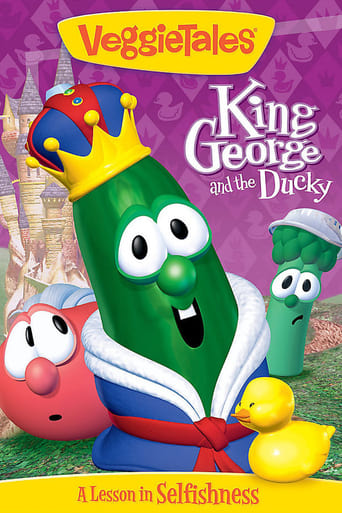
King George, unlike most kings, spends most of his time in the bathtub, playing with his favorite toy - a rubber ducky. But George isn't satisfied with just his rubber ducky - he wants all the duckies! The king learns a lesson in humility from his brave soldier Thomas, whose ducky George had stolen. Eventually, George faces his sin and learns that it's always important to share with others.
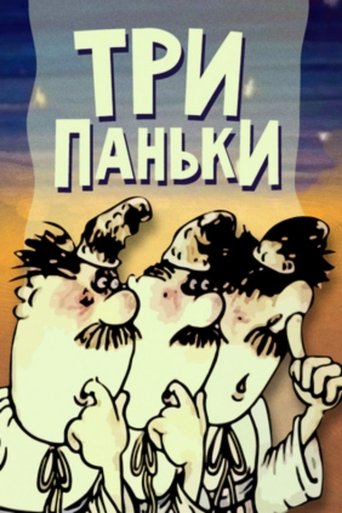
The animation tells the story about three dull, but funny brothers from the Pankivka village. They make a mess of all things. If there’s nothing to do, they can easily come up with something that will make them look stupid. They will cut a cock’s feathers instead of brother’s hair, and will make a fish broth in the lake, will choose the longest way of two paths, and will “help” their neighbors with all their hearts.
Several key words emerge from Hugo Pratt's work, inseparable from his life: travel, adventure, erudition, esotericism, mystery, poetry, melancholy... and of course, Corto Maltese, his hero and alter ego, who established him as one of the greatest names in comic books. Born in Italy in 1927 and dying in Switzerland sixty-eight years later, Hugo Pratt, born without an H and with only one T, grew up in the shadow of a fascist father who took him at a very young age to Ethiopia, which was occupied by Mussolini's forces. The teenager developed a fascination for the wide-open spaces of Africa, soon followed by an irresistible attraction to the Indian world. This was the starting point for a life of travel, success, conquests, rare failures, and marked by his veneration for the American cartoonist Milton Caniff, his absolute master.