

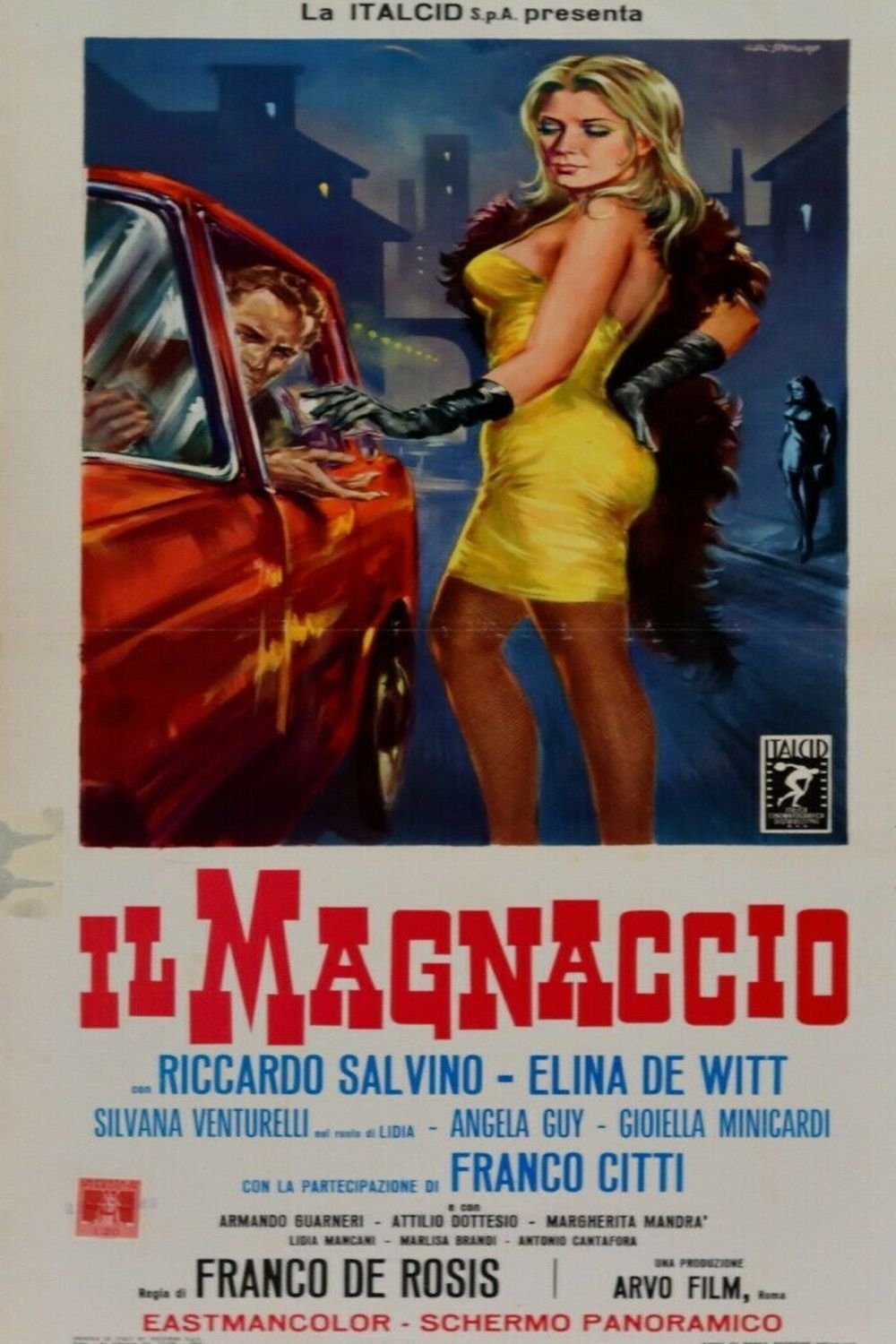
Il Magnaccio
Drama
Overview
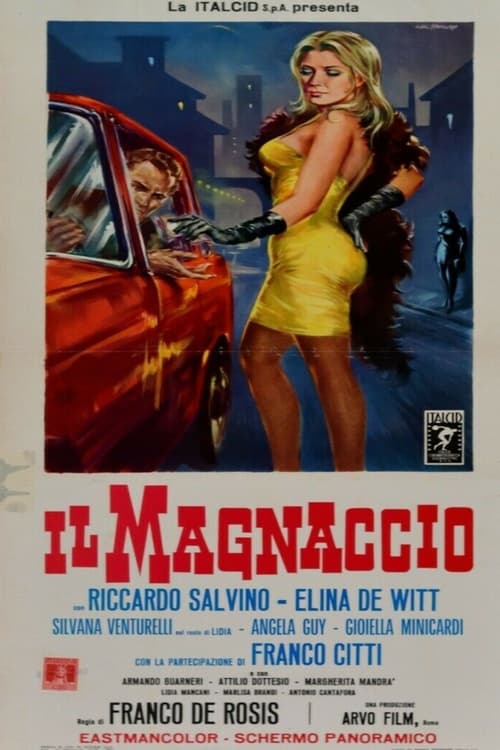
Italian 60's drama about a pimp called Il Principino and his violent and troubled relationship with a prostitute called Laura.


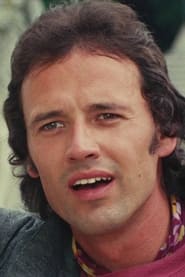
Riccardo Salvino
Riccardo Salvino
Sergio Venturi
Riccardo Salvino
Sergio Venturi
Elina De Witt
Elina De Witt
Laura Belmonte
Elina De Witt
Laura Belmonte
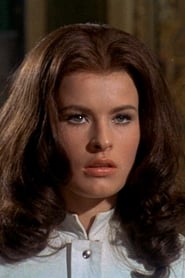
Silvana Venturelli
Silvana Venturelli
Lidia
Silvana Venturelli
Lidia
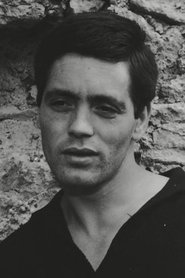
Franco Citti
Franco Citti
Franco Citti
Angela Guy
Angela Guy
Angela Guy
Armando Guarnieri
Armando Guarnieri
Armando Guarnieri
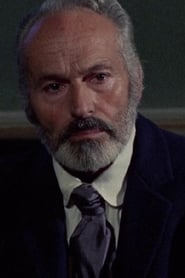
Attilio Dottesio
Attilio Dottesio
Attilio Dottesio
Similar Movies
In late 19th century France, the Countess Louise, wife of a wealthy general, sells the earrings her husband gave her on their wedding day to pay off her secret debts, then claims to have lost them. Her husband quickly learns of the deceit, which is the beginning of many tragic misunderstandings, all involving the earrings, the general, the countess, and her new lover, the Italian Baron Donati.
Out of prison after a five-year stretch, jewel thief Tony turns down a quick job his friend Jo offers him, until he discovers that his old girlfriend Mado has become the lover of local gangster Pierre Grutter during Tony's absence. Expanding a minor smash-and-grab into a full-scale jewel heist, Tony and his crew appear to get away clean, but their actions after the job is completed threaten the lives of everyone involved.
Based on Ruggero Leoncavallo's opera Pagliacci. The film recounts the tragedy of Canio, the lead clown (or pagliaccio in Italian) in a commedia dell'arte troupe, his wife Nedda, and her lover, Silvio. When Nedda spurns the advances of Tonio, another player in the troupe, he tells Canio about Nedda's betrayal. In a jealous rage Canio murders both Nedda and Silvio. The only actor in the cast who also sang his role was the celebrated Italian baritone, Tito Gobbi, but the film is largely very faithful to its source material, presenting the opera nearly complete.
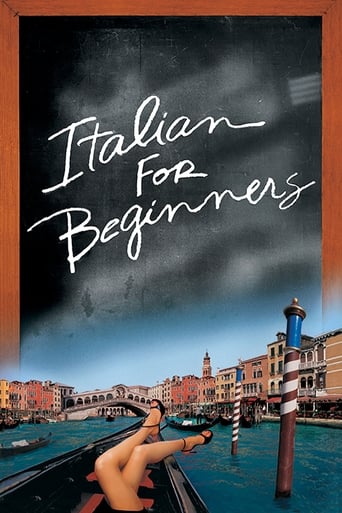
Several lonely hearts in a semi-provincial suburb of a town in Denmark use a beginner's course in Italian as the platform to meet the romance of their lives. The film, which unspools the connections and family drama shared between the students, complies with several aesthetic principles of Dogme 95 movement.
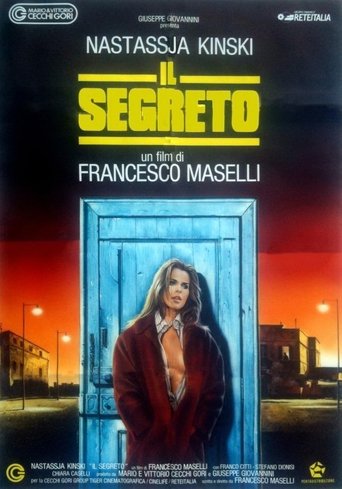
Lucia (Natassja Kinski) is a volatile, exciteable young woman. She forms a romance with Carlo (Stefano Dionisi), who is somewhat callow and is very skittish. Their romance is not an easy one, but they are assisted in coping with its ups and downs by their mutual friendship with Franco (Franco Citti), an older, wiser and more stable man.
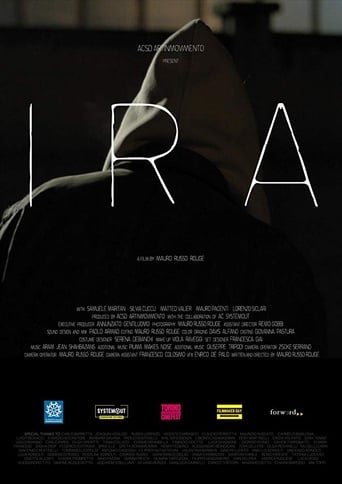
Ira translates as “Anger,” but the titular emotion isn’t often conveyed by the unnamed man and woman at the center of this subdued Italian drama set on the grim fringes of society. Instead, they spend their nights working—he in the market, she on the streets—or wandering restlessly and relentlessly around their dark, decaying city. Writer/director Mauro Russo Rouge follows his characters as they drive down roads lit by the yellow glow of streetlights, push through the crowds at a pink-hued nightclub, pick up supplies in a glaringly bright supermarket, and meander down sidewalks with drinks in hand. They rarely emerge into the sunlight; most of the action takes place in claustrophobic indoor spaces or in the cold, gray light of dusk or dawn. So, too, do their expressions remain withdrawn—even when their nascent relationship triggers a decisive act of violence.
A former priest has become bored to the point of impotence by the easy availability of beautiful women. He misses the shame of the priesthood which made sex more enjoyable, and this leads to his strange fascination with photographing asses. He gets involved with a sexy married woman, but he is more interested in her virginal maid.