


Drama · History
Overview
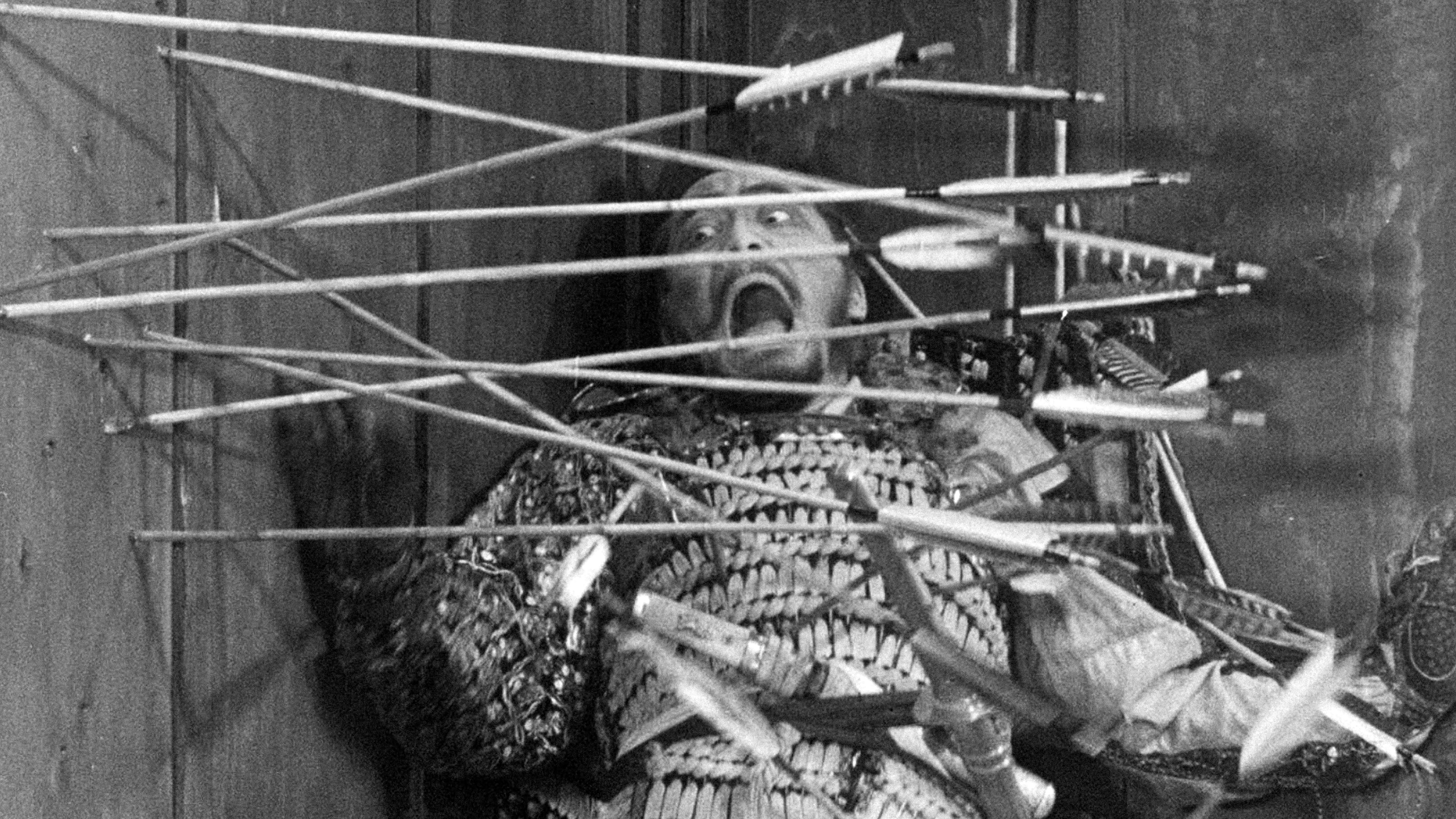
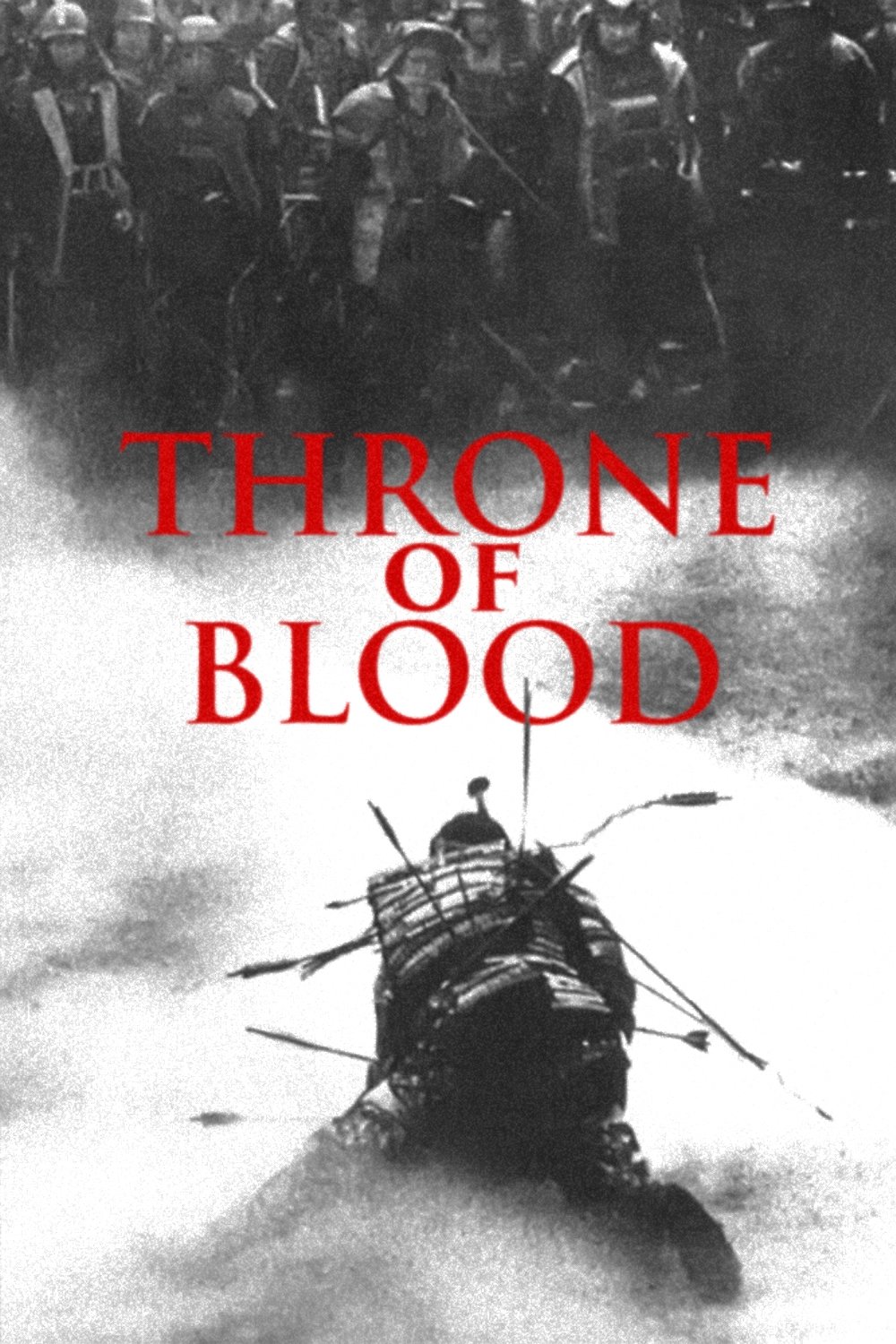
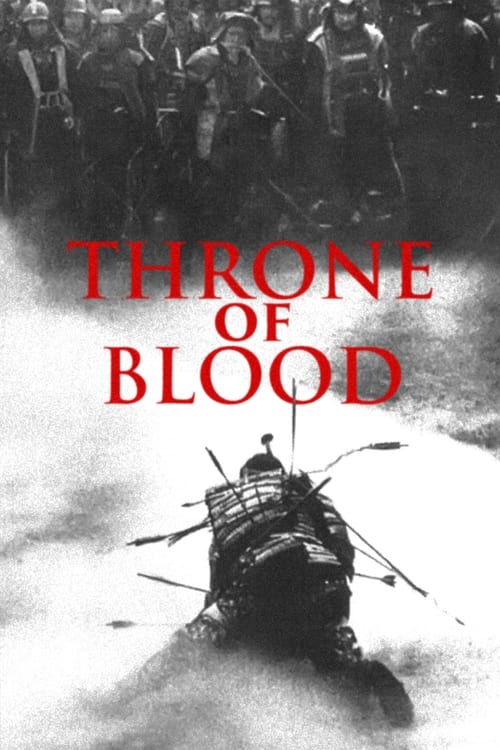
Returning to their lord's castle, samurai warriors Washizu and Miki are waylaid by a spirit who predicts their futures. When the first part of the spirit's prophecy comes true, Washizu's scheming wife, Asaji, presses him to speed up the rest of the spirit's prophecy by murdering his lord and usurping his place. Director Akira Kurosawa's resetting of William Shakespeare's "Macbeth" in feudal Japan is one of his most acclaimed films.
Top Cast
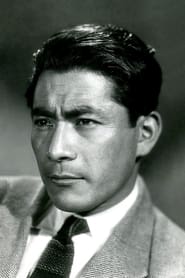
Toshirō Mifune
Taketoki Washizu
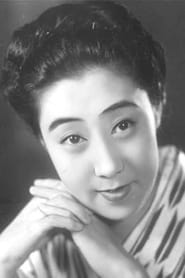
Isuzu Yamada
Lady Asaji Washizu
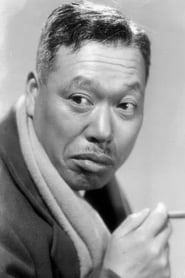
Takashi Shimura
Noriyasu Odagura

Akira Kubo
Yoshiteru Miki
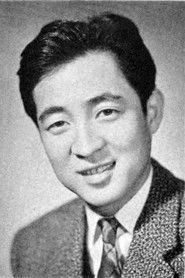
Hiroshi Tachikawa
Kunimaru Tsuzuki
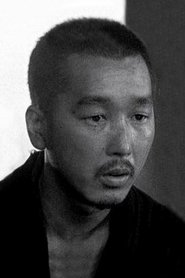
Minoru Chiaki
Yoshiaki Miki
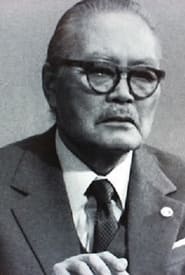
Takamaru Sasaki
Kuniharu Tsuzuki
Gen Shimizu
Washizu samurai

Kokuten Kōdō
Military Commander

Kichijirō Ueda
Washizu's workman
Eiko Miyoshi
Old Woman at castle
Chieko Naniwa
Old Ghost Woman










Toshirō Mifune
Toshirō Mifune
Taketoki Washizu
Toshirō Mifune
Taketoki Washizu
Isuzu Yamada
Isuzu Yamada
Lady Asaji Washizu
Isuzu Yamada
Lady Asaji Washizu
Takashi Shimura
Takashi Shimura
Noriyasu Odagura
Takashi Shimura
Noriyasu Odagura
Akira Kubo
Akira Kubo
Yoshiteru Miki
Akira Kubo
Yoshiteru Miki
Hiroshi Tachikawa
Hiroshi Tachikawa
Kunimaru Tsuzuki
Hiroshi Tachikawa
Kunimaru Tsuzuki
Minoru Chiaki
Minoru Chiaki
Yoshiaki Miki
Minoru Chiaki
Yoshiaki Miki
Takamaru Sasaki
Takamaru Sasaki
Kuniharu Tsuzuki
Takamaru Sasaki
Kuniharu Tsuzuki
Gen Shimizu
Gen Shimizu
Washizu samurai
Gen Shimizu
Washizu samurai
Kokuten Kōdō
Kokuten Kōdō
Military Commander
Kokuten Kōdō
Military Commander
Kichijirō Ueda
Kichijirō Ueda
Washizu's workman
Kichijirō Ueda
Washizu's workman
Similar Movies
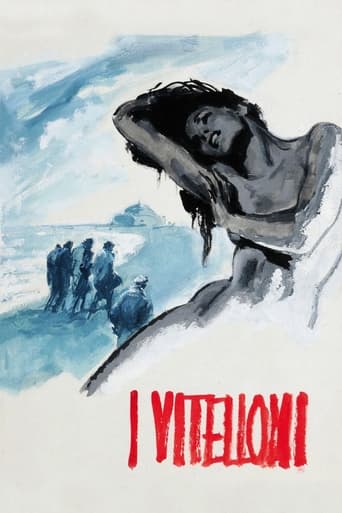
Five young men dream of success as they drift lazily through life in a small Italian village. Fausto, the group's leader, is a womanizer; Riccardo craves fame; Alberto is a hopeless dreamer; Moraldo fantasizes about life in the city; and Leopoldo is an aspiring playwright. As Fausto chases a string of women, to the horror of his pregnant wife, the other four blunder their way from one uneventful experience to the next.

Befriended by aristocrat Sebastian Flyte, Oxford student Charles Ryder finds that the power and privilege experienced by the family is seductive. On a visit to the ancestral home, Brideshead, he falls in love with his friend's sister, Julia. However, as his ties to the Flytes deepen, Ryder finds himself at odds with their strong Roman Catholicism.
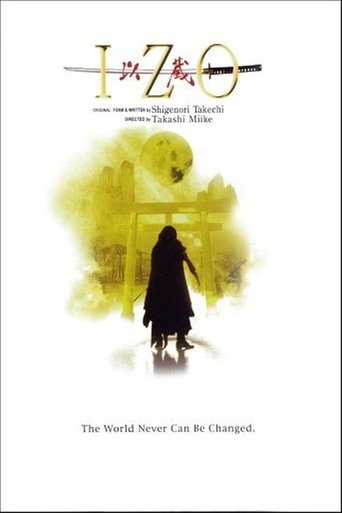
Izo is an assassin in the service of a Tosa lord and Imperial supporter. After killing dozens of the Shogun's men, Izo is captured and crucified. Instead of being extinguished, his rage propels him through the space-time continuum to present-day Tokyo. Here Izo transforms himself into a new, improved killing machine.

Frederic leads a bourgeois life; he is a partner in a small Paris office and is happily married to Helene, a teacher expecting her second child. In the afternoons, Frederic daydreams about other women, but has no intention of taking any action. One day, Chloe, who had been a mistress of an old friend, begins dropping by his office. They meet as friends, irregularly in the afternoons, till eventually Chloe decides to seduce Frederic, causing him a moral dilemma.
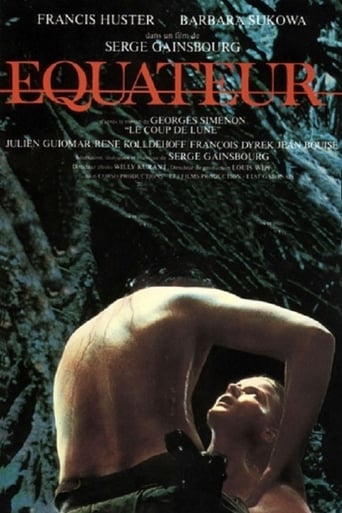
Although based on a novel by Georges Simenon, director (and songwriter) Serge Gainsbourg has superimposed several dark emotions and a subtle brutality over the weak plot about a man's trip to Africa and his unfortunate passion for a murderess whose amorality sends the disillusioned fellow back to Europe. Sometimes described as frustrating and self-centered, reactions to this film swing across a broad spectrum of complaints -- not the least might be whether or not Gainsbourg is using a clichéd and stereotypical view of "dark Africa" to convey what he sees in his characters.

Sayaka, a high school student, kills herself but the reason behind her suicide is unknown. She appeared to have led a normal life with her family. Her mother Rumiko seemed to have raised Sayaka with love and care. In reality, that does not seem to be the case. When the mother and daughter recall the same incidents that took place in the past, they tell very different stories.

Seibei Iguchi leads a difficult life as a low ranking samurai at the turn of the nineteenth century. A widower with a meager income, Seibei struggles to take care of his two daughters and senile mother. New prospects seem to open up when the beautiful Tomoe, a childhood friend, comes back into he and his daughters' life, but as the Japanese feudal system unravels, Seibei is still bound by the code of honor of the samurai and by his own sense of social precedence. How can he find a way to do what is best for those he loves?