

Danmark er lukket
Drama
Overview
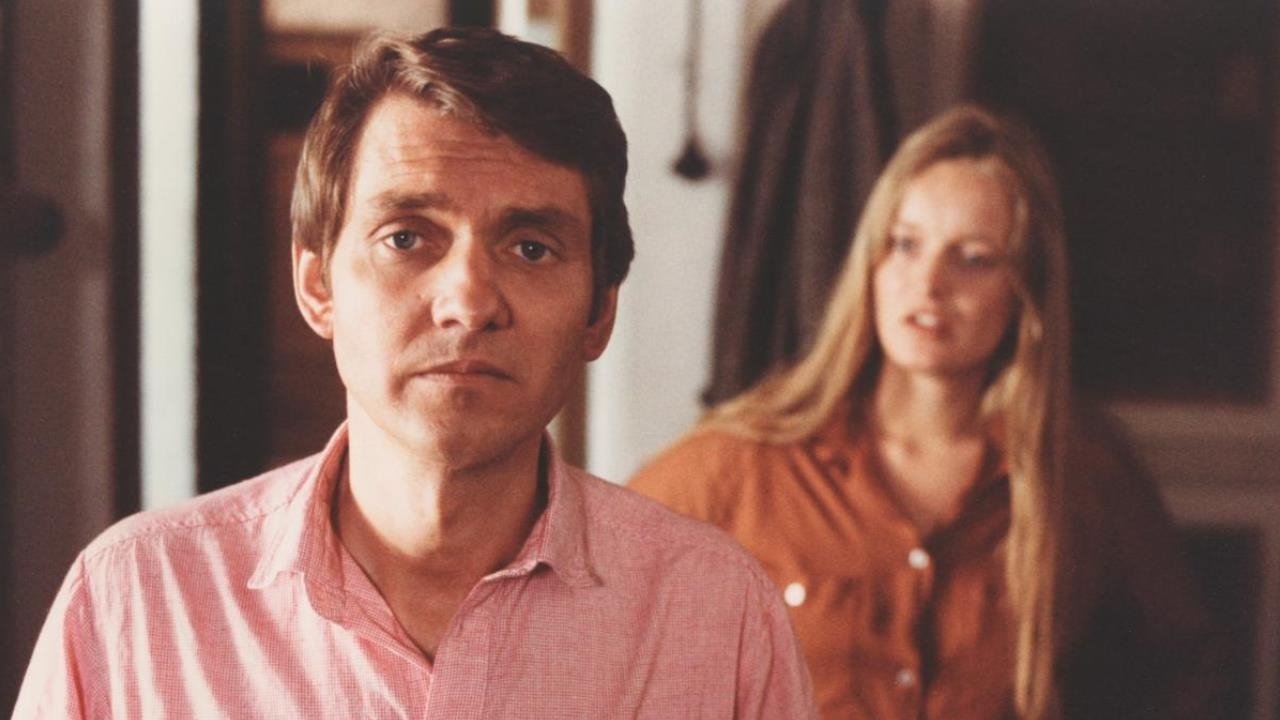
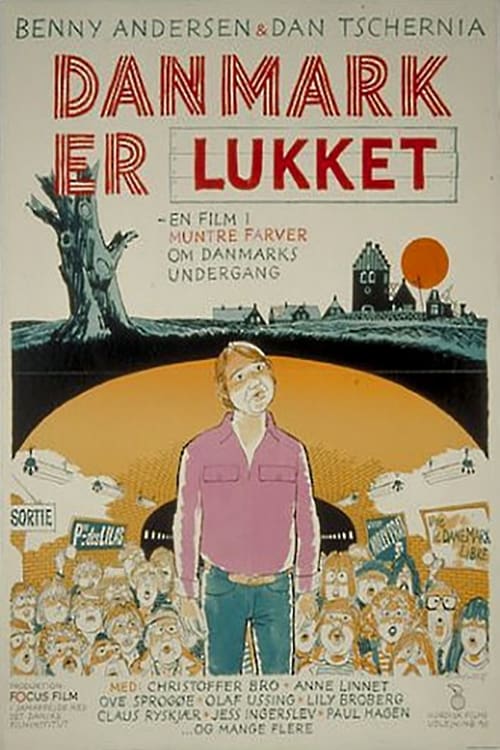
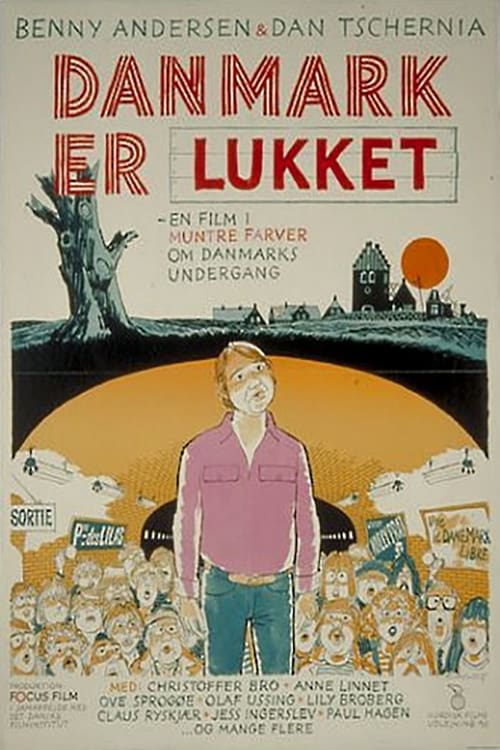
In the future, Denmark has been made a nuclear waste dump and the Danish language is banned.



Claus Ryskjær
Claus Ryskjær
Æblet
Claus Ryskjær
Æblet

Paul Hagen
Paul Hagen
Tomaten
Paul Hagen
Tomaten
Jess Ingerslev
Jess Ingerslev
Grønært
Jess Ingerslev
Grønært
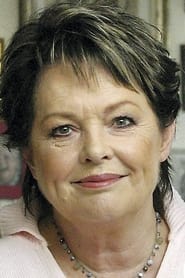
Ghita Nørby
Ghita Nørby
Akademiker
Ghita Nørby
Akademiker
Ingolf David
Ingolf David
Gadefejer
Ingolf David
Gadefejer
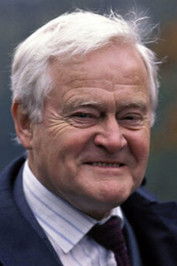
Ove Sprogøe
Ove Sprogøe
Speaker
Ove Sprogøe
Speaker

Christoffer Bro
Christoffer Bro
Christoffer Bro
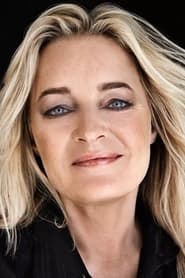
Anne Linnet
Anne Linnet
Anne Linnet
Jan Mårtenson
Jan Mårtenson
Jan Mårtenson
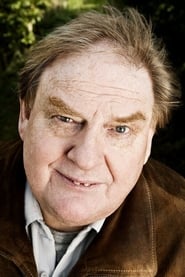
Ole Thestrup
Ole Thestrup
Ole Thestrup
Similar Movies
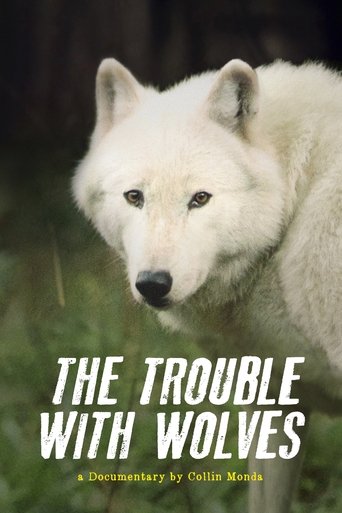
Death threats, court battles, and an iconic endangered species in middle, The Trouble With Wolves takes an up close look at the most heated and controversial wildlife conservation debate of our time. The film aims to find out whether coexistence is really possible by hearing from the people directly involved.
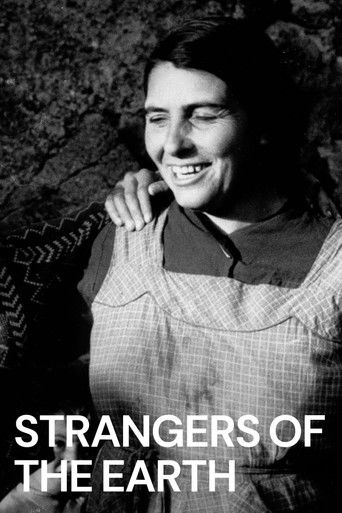
Les inconnus de la terre starts like a traditional feature film: in the beginning of the film all the leading roles are given a short introduction. This is followed by a number of interviews, in which the makers unashamedly appear themselves. They include an interview with a lonely shepherd and one with three unmarried brothers who try to run the parental farm for better or worse. Notwithstanding the fact that this mode of interviewing has now become classical, les inconnus de la terre works rather refreshingly. The film is more than just an enumeration of problems. In an honest way it shows the ties of those involved to the land and to nature, in addition to being a plea for the modernization of French agriculture.
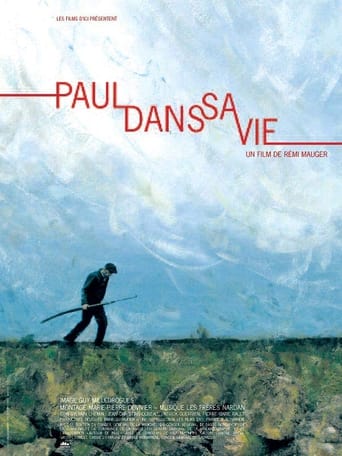
Paul Bedel will be 75 soon. He's and old bachelor, a peasant, a fisherman and a verger. He lives in a farm from another time with his two sisters, also unmarried. This year, they will retire : « Our lives will be filled with emptiness ». Their territory is the Cape of la Hague. The air is bracing, the wind is unpredicable, the granit is rough, and the horizon without boundaries. In here, Paul resisted to modernity, keen to preserve and improve his link to nature.
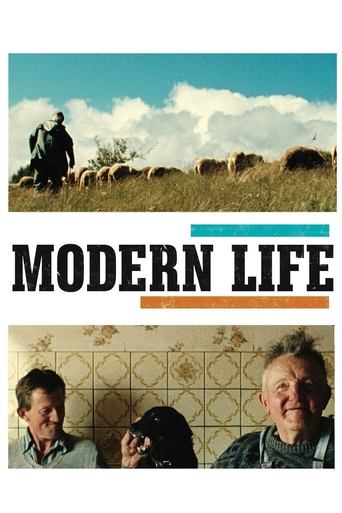
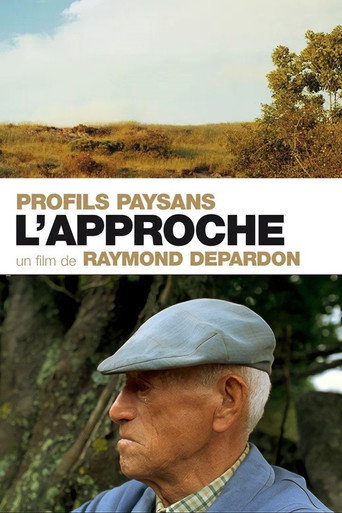
For ten years, Raymond Depardon has followed the lives of farmer living in the mountain ranges. He allows us to enter their farms with astounding naturalness. This moving film speaks, with great serenity, of our roots and of the future of the people who work on the land. This the last part of Depardon's triptych "Profils paysans" about what it is like to be a farmer today in an isolated highland area in France. "La vie moderne" examines what has become of the persons he has followed for ten years, while featuring younger people who try to farm or raise cattle or poultry, come hell or high water.
Farrebique, the first feature-length effort of French documentary filmmaker Georges Rouqier, is widely regarded as his finest film. Rouqier concentrates on a single French farm family, following them through the four seasons. As in the works of Robert Flaherty, the human characters and the land surrounding them are "one", and Rouqier never misses an opportunity to parallel their lives with the eons-old phases of nature. The final symbolic images of Spring, achieved through time-lapse photography, are almost unbearably beautiful. The winner of several festival awards, Farrebique nonetheless did not immediately result in an outpouring of financing for Rouqier's follow-up films (this was a common problem in the financially strapped French film industry of the 1940s). Perhaps as a result, Rouqier did not make his sequel, Biquefarre (filmed in the same region, with some of the same "actors"), until 1983.