

Discovery Atlantis
Documentary
Overview
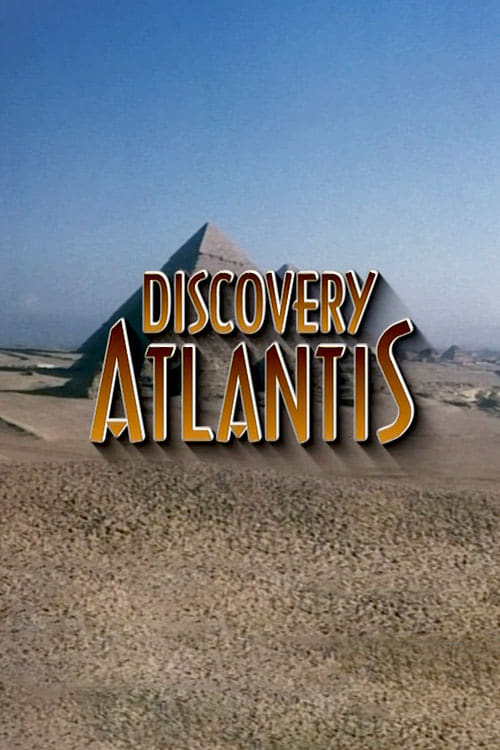
The film presents compelling evidence that Altlantis wasn't so far away after all, but what it omits is just as compelling. Although Plato’s account of Atlantian masonry, consisting of red, white and black stones, was a visually perfect match for the modern walls of the Minoan excavation site favored by the film, and his account of a sea made impassable by small islands of mud could, in fact, be a description of the rafts of pumice left by the catastrophic eruption of an ancient volcano there, little mention is made of Plato's specific account of where Atlantis was or the common root that links Atlantis to the Atlantic ocean. Also omitted is Plato's chronology placing the sinking of Atlantis in the same time frame as the end of the last ice age which caused the inundation of huge expanses of once fertile lands. Is "Atlantis: The Evidence" a thinly disguised example of Eurocentrism in the media? Watch Discovery: Atlantis for a more comprehensive view on an age-old debate.
Top Cast



Piers Gibbon
Piers Gibbon
Narrator
Piers Gibbon
Narrator
Similar Movies
Atlantis is filmmaker Luc Besson's celebration of the beauty and wonder of the world beneath the sea, expanding upon themes touched on in his film The Big Blue. Combining stunning underwater cinematography and a hypnotic score by Eric Serra, Besson's singular vision defies dialogue or narrative structure to explore ocean life as you've never seen it before. Following the colossal success of The Big Blue, Luc Besson crisscrossed the world's seas and oceans to film the beauty and diversity of marine life: from the giant octopuses of Vancouver to the manta rays of the Pacific (New Caledonia), and the grey sharks of Tahiti. A film with no actors or sets other than the underwater world. A breathtaking view of marine species: sharks, dolphins, manatees, octopuses. An exploration of the seabed in the Bahamas, the Galapagos, Vancouver, and Tahiti.

For eight centuries, between the 9th and 1st century BC, the Etruscans, inhabitants of the Italian peninsula, were one of the most powerful peoples of the Mediterranean basin, and when they disappeared they left behind impressive necropolises, vestiges of sanctuaries and even entire cities. How did they attain such power? How far did they extend their dominion and influence? What were the causes of their decline?
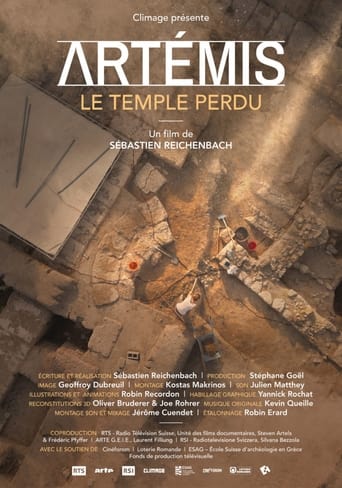
The location of the sanctuary of Artemis at Amarynthos has long remained one of the last great archaeological enigmas of Ancient Greece. This vast Artemision is mentioned in several ancient texts, which even go so far as to specify the distance that separates the sanctuary from the ancient city of Eretria. But despite the efforts of numerous scientific expeditions since the end of the 19th century, no trace of the sanctuary or its temple has ever been found. In the 1960s, a young archaeologist - Denis Knoepfler - set out in search of the lost temple of Artemis. His investigations soon led him into the hinterland of the island of Euboea, well beyond the limits of previous expeditions. It would take five decades of searching, unshakeable faith and moving tons of earth to finally unravel the mystery. In 2017, a tenacious Swiss-Greek team of archaeologists formally identified the sanctuary of Artemis, where Denis Knoepfler had predicted it lay buried.
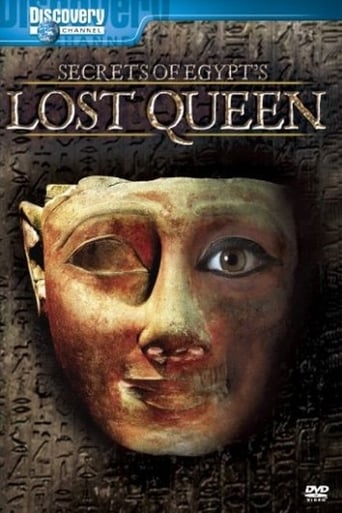
Move over, King Tut: There's a new pharaoh on the scene. A team of top archaeologists and forensics experts revisits the story of Hatshepsut, the woman who snatched the throne dressed as a man and declared herself ruler. Despite her long and prosperous reign, her record was all but eradicated from Egyptian history in a mystery that has long puzzled scholars. But with the latest research effort captured in this program, history is about to change.
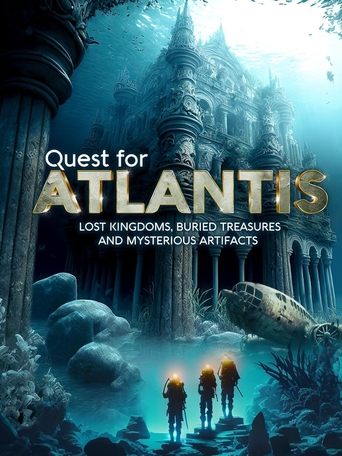
It is estimated that the mythical city of Atlantis was swept away by a Tsunami in 9600 BC, vanquished from existence - but recent findings of ancient maps, monuments and submerged artifacts indicate that the Lost Kingdom may in fact have existed. The recent discovery of mummies, an underwater Stonehenge, monoliths, ancient drawings and much, much more could provide confirmation of one of Mankind's oldest mysteries.
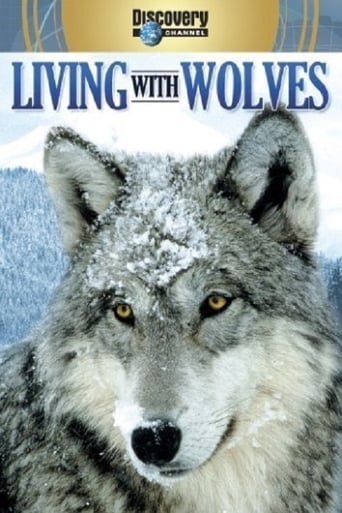
Wolves have been demonized for centuries, blood thirsty beasts haunting our nightmares. We were determined to dispel this myth and show the true nature of wolves. Compassionate family animals, both playful and affectionate. For six years in a tented camp in the wilderness of Idaho, we lived among a pack of wolves, listening to them, earning their trust.Now in "Living With Wolves," we share more of the story of The Sawtooth Pack, first told in our two-time Emmy Award-winning documentary, Wolves at Our Door. Our own lives, brought together by a devotion to wildlife, were forever changed by these elusive, intelligent animals who accepted us. Overcoming forest fires, marauding mountain lions and sub-zero winters, we share with you a heart-warming and unique partnership of human and predator, built on trust and defying the storm of controversy surrounding the wolf.