

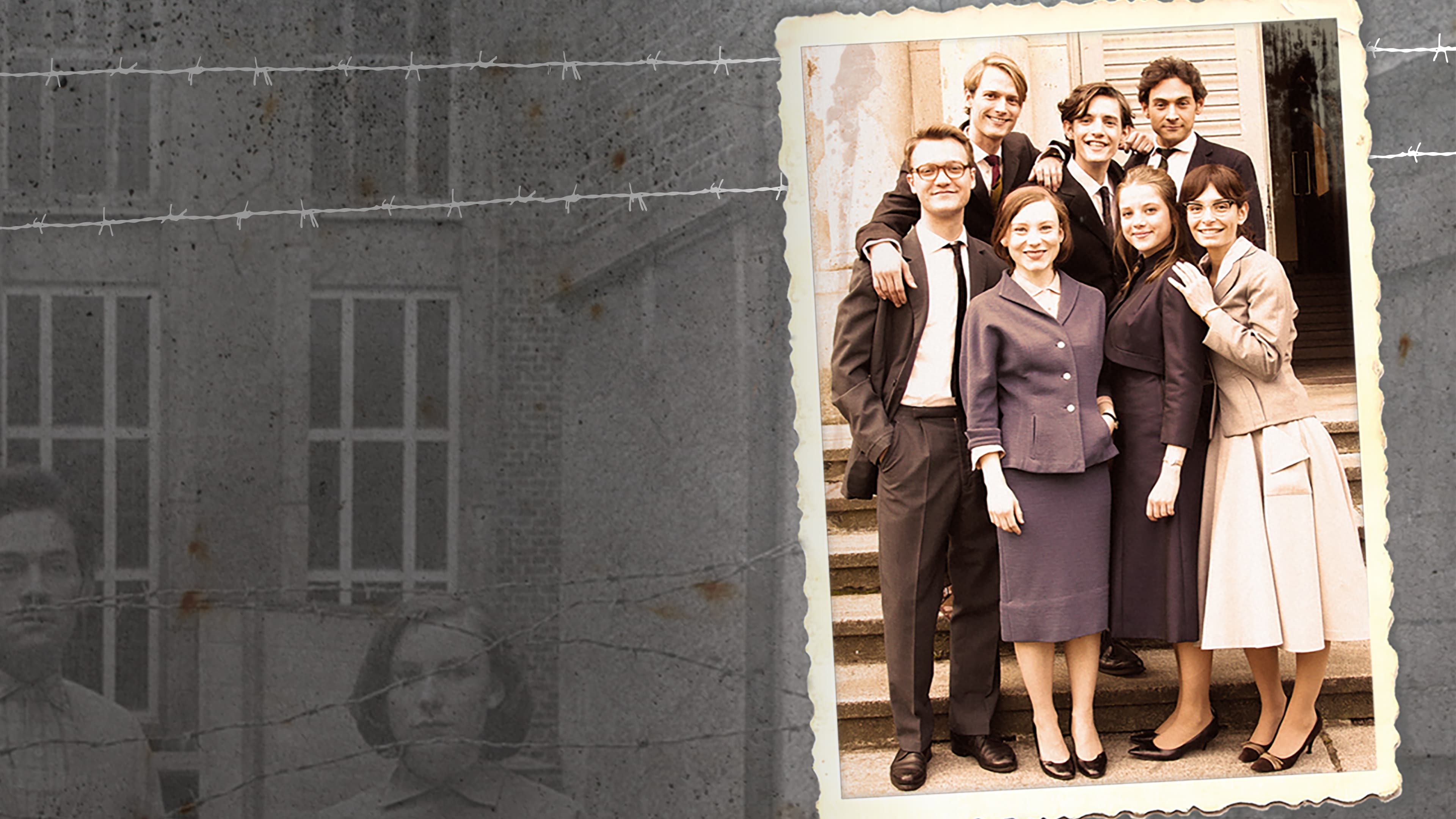

Die Klasse - Berlin '61
Drama · History
Overview
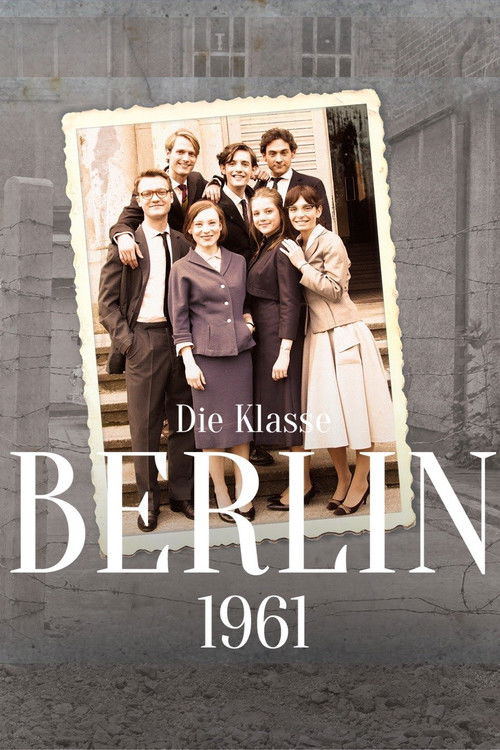
In the motley final-year class 13e at Kepler School in Neukölln, children who have moved to the western part of the city legally as well as border crossers who live in East Berlin but commute to the West every day come together for lessons every day. After the school-leavers had completed their written exams in July 1961, they faced their oral exams after the summer vacation in September. But when the Berlin Wall was built in August, Berlin was divided and torn apart from one day to the next - including class 13e. The students from the eastern part of the city quickly have to make a difficult decision: should they attempt to cross the border or throw their dreams of the future to the wind?






Isabel Bongard
Isabel Bongard
Anke
Isabel Bongard
Anke

Johannes Klaußner
Johannes Klaußner
Eckhardt
Johannes Klaußner
Eckhardt
Alexander Pensel
Alexander Pensel
Christian
Alexander Pensel
Christian

Jella Haase
Jella Haase
Eva
Jella Haase
Eva

Vincent Redetzki
Vincent Redetzki
Rüdiger
Vincent Redetzki
Rüdiger

Sarah Horváth
Sarah Horváth
Heidi
Sarah Horváth
Heidi
Holger Daemgen
Holger Daemgen
Trapomann 1
Holger Daemgen
Trapomann 1

Lena Klenke
Lena Klenke
Bärbel
Lena Klenke
Bärbel
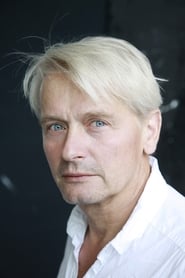
Horst Kotterba
Horst Kotterba
Herr Dämlich
Horst Kotterba
Herr Dämlich

Axel Wandtke
Axel Wandtke
Schulleiter Ost
Axel Wandtke
Schulleiter Ost
Similar Movies
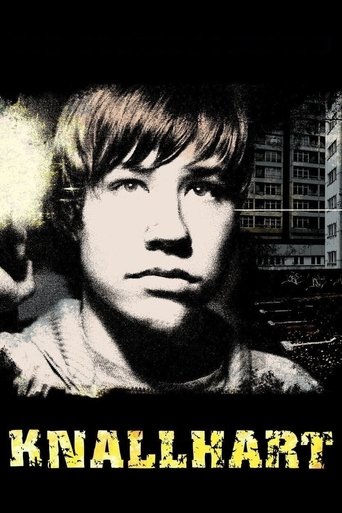
From the youth directed novel of the same name by Greogor Tressnow comes a film by Detlev Buck that is a realistic portrait of life in the section of Berlin called Neukölln. It’s about power and weakness, delinquents and victims, and the difficulties a 15-year-old faces in a poor and criminal environment.
A somewhat impressionist, at times even slightly surreal miniature about a student (Werner Stocker in a splendid performance) who, out of financial difficulties, starts out as pool attendant at an open air swimming pool in Berlin's district of Neukölln. Escaping from his unpleasant landlord and his lover Patrizia (a very young Martina Gedeck), he soon starts to live at the baths, and as swimmers disappear and the baths are closed for the winter, he turns the grounds into his own, perfect refuge from civilisation and social pressure, becoming increasingly detached from reality. What may sound like an annoyingly gimmicky premise is executed here playfully, yet with admirable simplicity and a subtle, unpretentious poetic sensibility that one would wish for more often in contemporary German cinema.
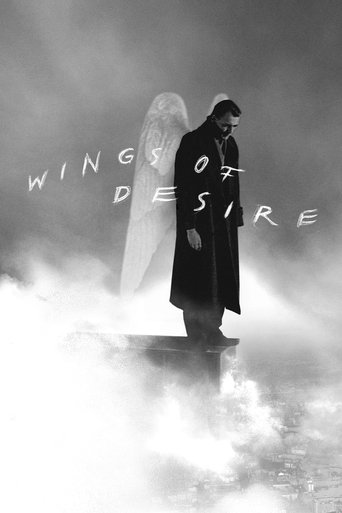
Two angels, Damiel and Cassiel, glide through the streets of Berlin, observing the bustling population, providing invisible rays of hope to the distressed but never interacting with them. When Damiel falls in love with lonely trapeze artist Marion, the angel longs to experience life in the physical world, and finds — with some words of wisdom from actor Peter Falk — that it might be possible for him to take human form.

The architect Daniel Brenner is in his late thirties when he receives his first challenging and lucrative commission: to design a cultural center for a satellite town in East-Berlin. He accepts the offer under the condition that he gets to choose who he works with. This way, he reunites with former colleagues and friends - most of them architects or students of architecture who have since chosen a different profession due to personal restraint or economic confinement. Together, they develop a concept which they hope will be more appealing to the public than the conventional and dull constructions common to the German Democratic Republic. However, their ambitious plans are once and again foiled by their conservative supervisors. As frustration grows, Daniel has trouble keeping his career in balance with his family-life: his wife Wanda wants to leave for West-Germany.
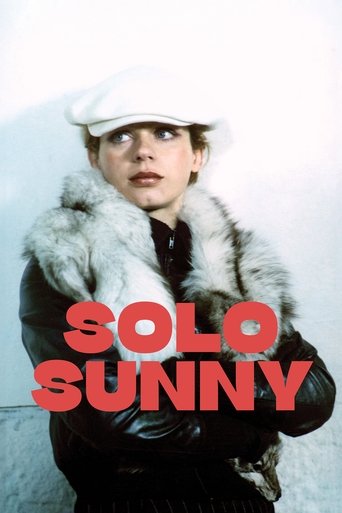
Sunny is the singer of band trying to establish itself in the music-scene of East-Berlin. They play regular gigs in small towns, but Sunny feels out of touch with the audience and her life as a whole. She begins a relationship with the amateur saxophonist and studied philosopher Ralph who writes her a very personal song - but his obsession with death and unfaithful lifestyle is not for her. After getting into a quarrel with a band member who harasses her and telling off a show-host she is thrown out of the band. Abandoned, she struggles to regain control over her life.