

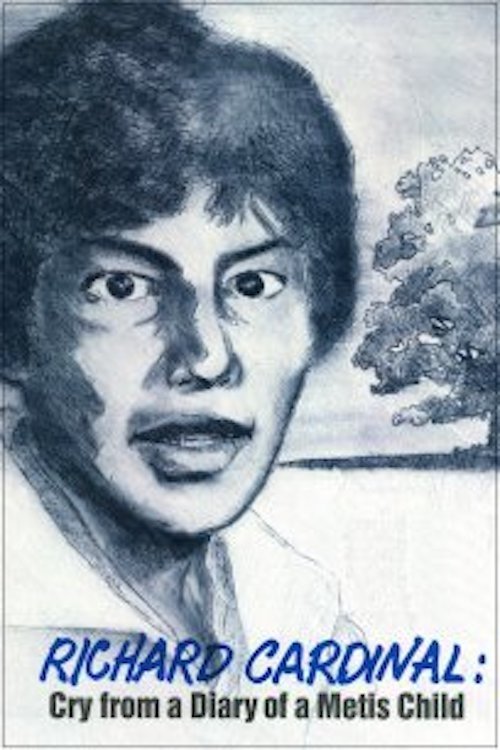
Richard Cardinal: Cry from a Diary of a Métis Child
Documentary
Overview
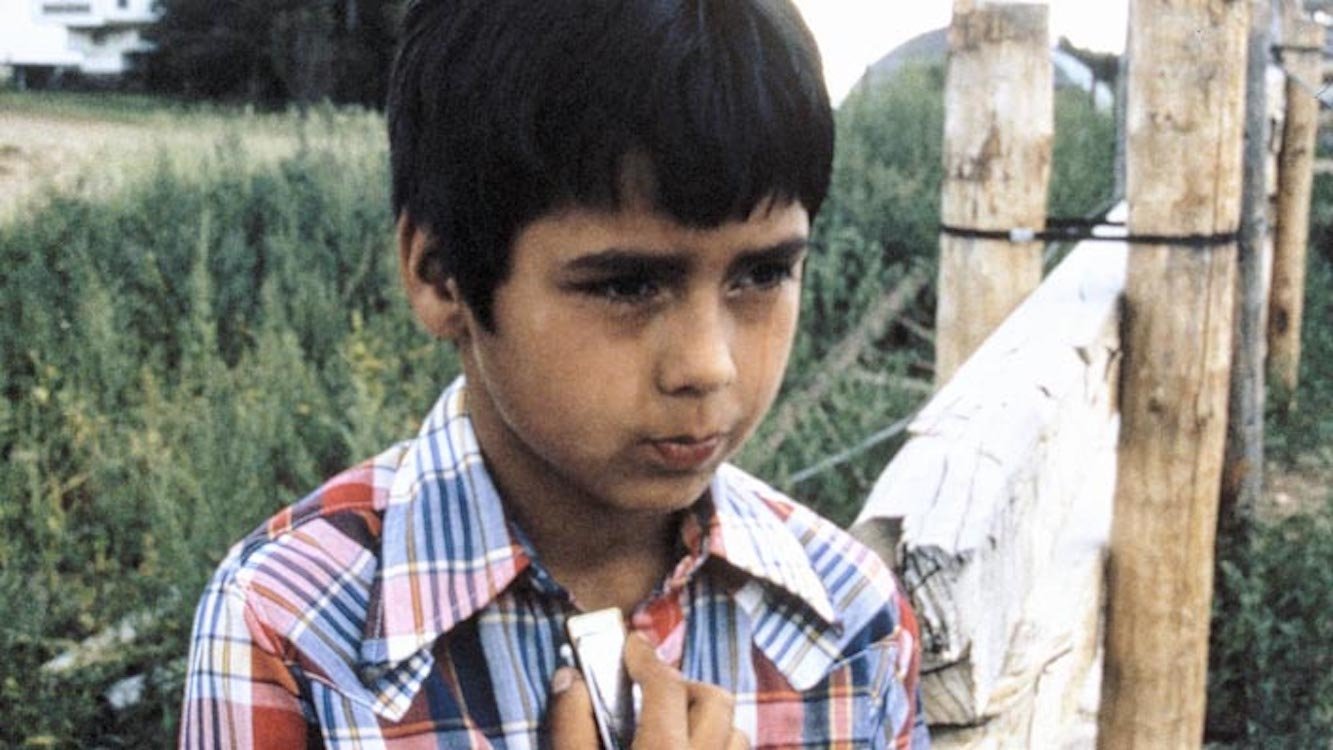
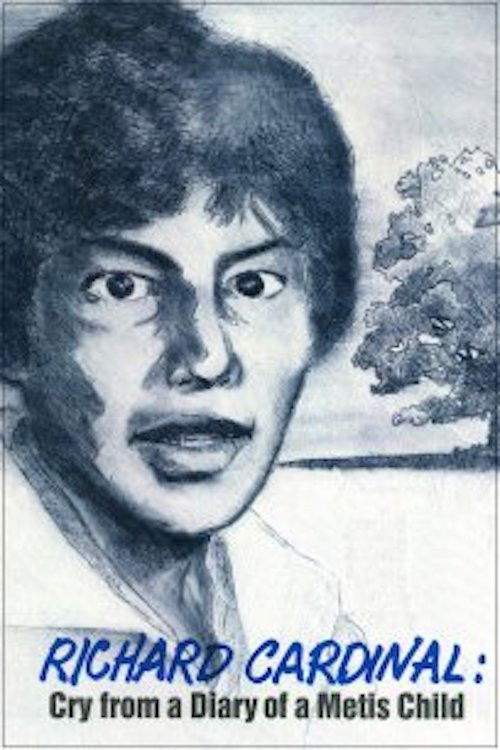
This short documentary is a moving tribute to Richard Cardinal, a Métis adolescent who committed suicide in 1984. Taken from his home at the age of 4 due to family problems, he spent the rest of his 17 short years moving in and out of 28 foster homes, group homes and shelters in Alberta. A sensitive, articulate young man, Richard Cardinal left behind a diary upon which this film is based.
Top Cast


Cory Swan
Cory Swan
Richard as a Young Boy
Cory Swan
Richard as a Young Boy
Pauline Kerik
Pauline Kerik
Social Worker
Pauline Kerik
Social Worker
Betty Smith
Betty Smith
Foster Mother
Betty Smith
Foster Mother
Leslie Miller
Leslie Miller
Foster Father
Leslie Miller
Foster Father
Similar Movies
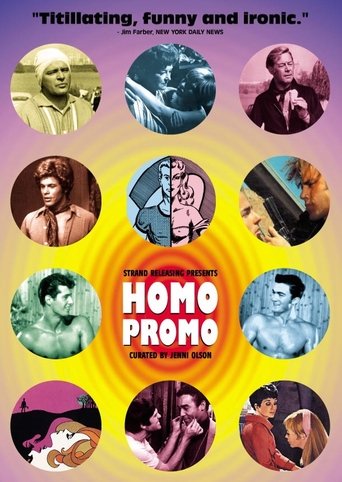
Here are theatrical trailers for 27 mainstream and art-house films, presented chronologically from "Tea and Sympathy" to "Outrageous!" This spectacular showcase of vintage movie trailers offers a crash course in lesbian, gay, bi and transgender (LGBT) movie history and a colorful look at nearly every major mainstream queer-themed film produced between 1953 and 1977! Archivist Jenni Olson is one of the world’s leading experts on LGBT film history — curated from her private collection of rare original 35mm coming attractions trailers, Homo Promo has entertained audiences at LGBT film festivals around the world offering a campy cavalcade of coming attractions. Please note: The condition of these original 35mm archival prints varies — enjoy the wear and tear and rest assured that they have now all been donated to the Outfest/UCLA Legacy Project for LGBT Film Preservation where they are now being properly cared for.
A moving documentary. The life stories told by immigrants in Paris are often saddening. The hardships they went through and their current uncertainty and difficult situation. No residence permit, fear of the gendarmerie, little money, poor housing. The quality and background of the musicians is many times amazing.
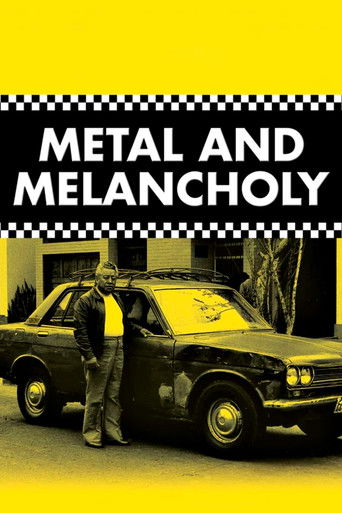
This documentary is an offbeat "road movie" in which acclaimed documentarian Heddy Honigmann travels with, and thereby discovers the stories of, taxi drivers in Lima. In the early 1990s, in response to Peru's inflationary economy and a government destabilized by corruption and Shining Path terrorism, many middle-class professionals used their own cars to moonlight as taxi drivers in order to weather the financial crisis.
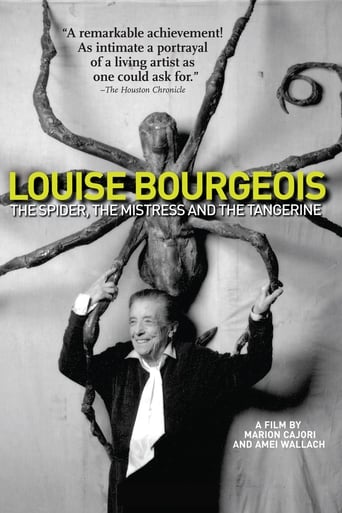
A journey inside the world of a legend of modern art and an icon of feminism. Onscreen, the nonagenarian Louise Bourgeois is magnetic, mercurial and emotionally raw-an uncompromising artist whose life and work are imbued with her ongoing obsession with the mysteries of childhood. Her process is on full display in this intimate documentary, which features the artist in her studio and with her installations, shedding light on her intentions and inspirations. Louise Bourgeois has for six decades been at the forefront of successive new developments, but always on her own powerfully inventive and disquieting terms. In 1982, at the age of 71, she became the first woman to be honored with a major retrospective at New York's Museum of Modern Art. In the decades since, she has created her most powerful and persuasive work, including her series of massive spider structures that have been installed around the world.
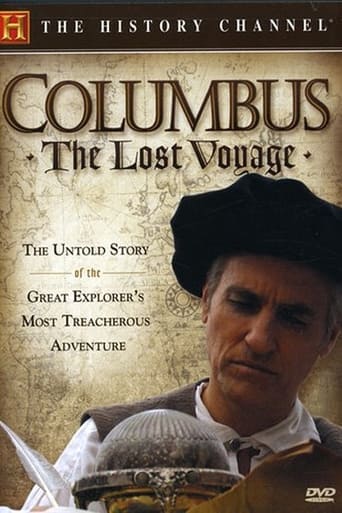
Columbus' 4th voyage has been a total failure: he has not found the westward passage, he has no gold to show, he has lost men and ships and his efforts to build a colony have fallen through. The monarchs of Spain are not going to restore the rights and privileges which were taken away from Columbus after the first voyage. And Columbus will be shamed. Many of his sailors who have survived, can't face the journey home. They will choose to remain on Hispaniola or neighbouring Puerto Rico.
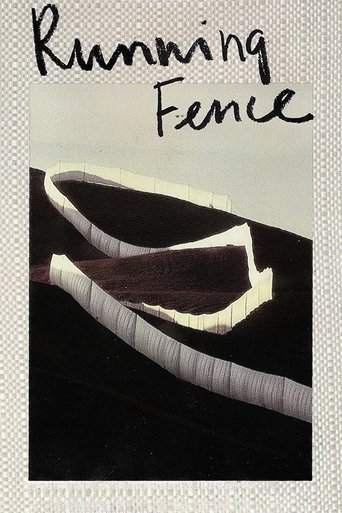
Second in the series by the Maysles brothers documenting the monuments/sculptures of Christo, whose art projects are landscape-scaled, and more "pop" performance art designed to question how we relate to art in the public sphere, especially when it's as oblique, non-political (at least, that is what he would claim), and neutral as running a fence through a landscape.