

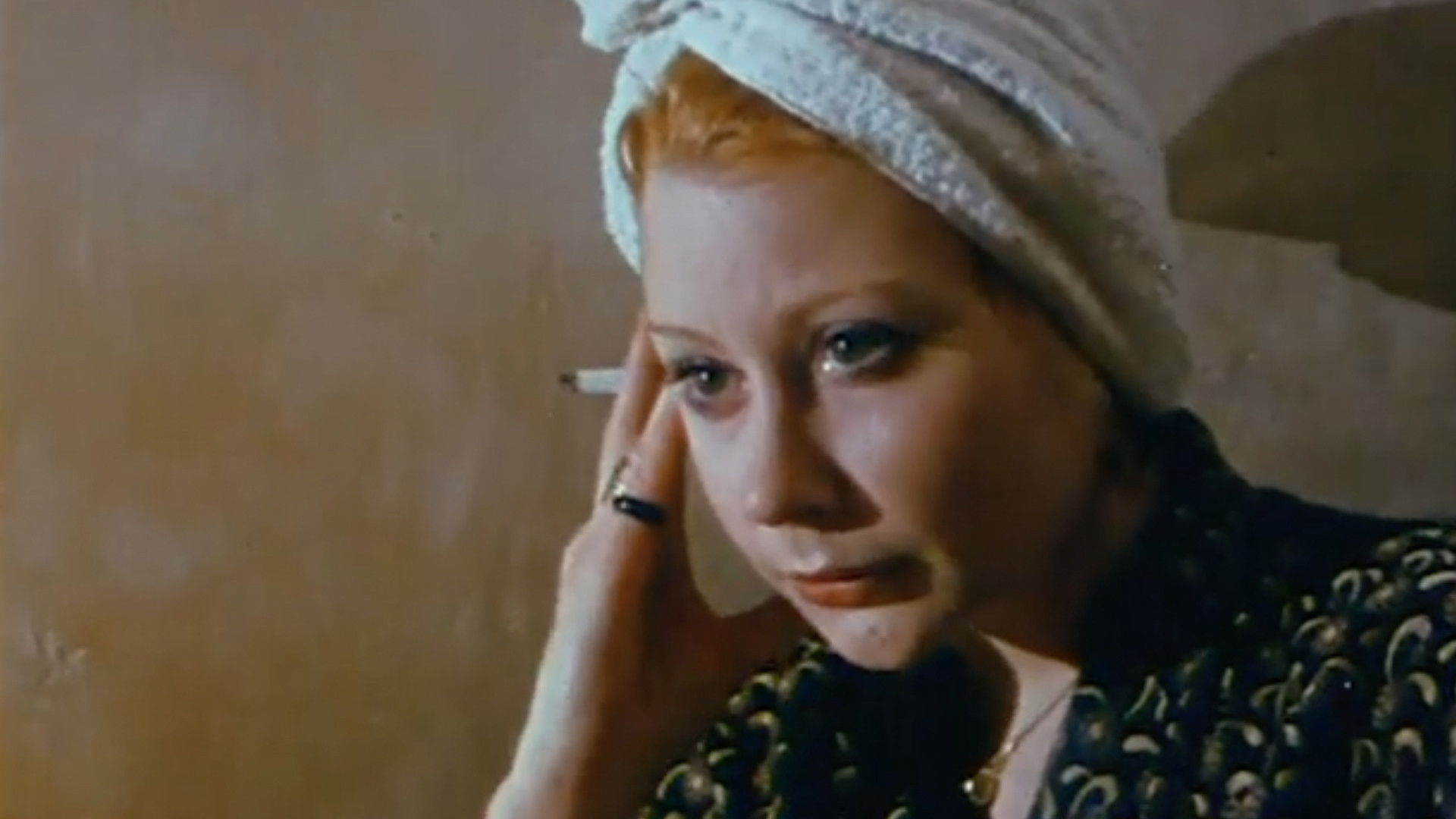

Le Remords
Drama
Overview
A filmmaker witnesses an act of racist police violence in Paris. He discusses with a friend whether and how he should make a film out of this.











Micheline Welter
Micheline Welter
Herself
Micheline Welter
Herself

René Vautier
René Vautier
Himself
René Vautier
Himself
Similar Movies

In the spring of 1944, in the Woëvre forest of Lorraine, a group of young maquisards takes in four German deserters. led by Saint-Brice is based in the Woevre forest. Lise, a nineteen-year-old girl, is their liaison officer. One evening, four German soldiers turn up as deserters. After a period of doubt, the maquisards agree to integrate them into their group. Lise falls in love with one of the newcomers, Werner, and becomes his mistress. One day, she leaves on a mission with Lucien, and comes across an enemy patrol. The SS shoot Lucien and free Lise. In the camp, people begin to think that the maquis has been betrayed.
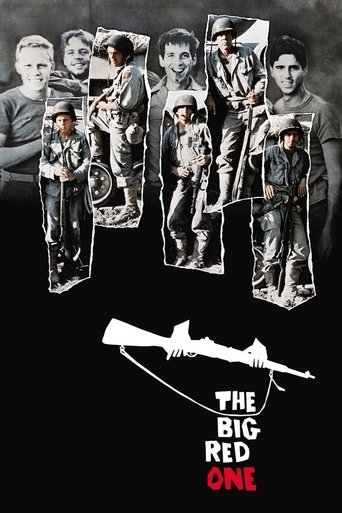
A veteran sergeant of World War I leads a squad in World War II, always in the company of the survivor Pvt. Griff, the writer Pvt. Zab, the Sicilian Pvt. Vinci and Pvt. Johnson, in Vichy French Africa, Sicily, D-Day at Omaha Beach, Belgium and France, and ending in a concentration camp in Czechoslovakia where they face the true horror of war.

Frantz Fanon, a French psychiatrist from Martinique, has just been appointed head of department at the psychiatric hospital in Blida, Algeria. His methods contrast with those of the other doctors in a context of colonization. A biopic in the heart of the Algerian war where a fight is waged in the name of Humanity.
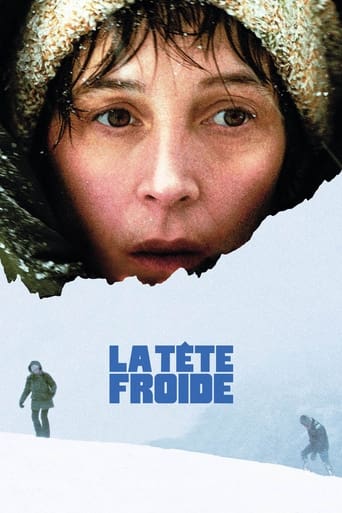
Marie, in her forties, lives in the Hautes-Alpes, cut off from her relatives. She only has her lover, Alex, a border policeman. Thanks to him, she smuggles cigarettes between Italy and France for her ' get out. On her way to France, she bumps into Mouneer, a 20-year-old Sudanese migrant, determined to join his little sister. He guesses her trafficking and persuades her to bring migrants across the border.
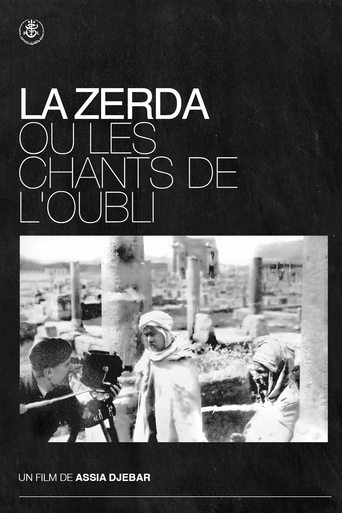
“La Zerda and the songs of oblivion” (1982) is one of only two films made by the Algerian novelist Assia Djebar, with “La Nouba des femmes du mont Chenoua” (1977). Powerful poetic essay based on archives, in which Assia Djebar – in collaboration with the poet Malek Alloula and the composer Ahmed Essyad – deconstructs the French colonial propaganda of the Pathé-Gaumont newsreels from 1912 to 1942, to reveal the signs of revolt among the subjugated North African population. Through the reassembly of these propaganda images, Djebar recovers the history of the Zerda ceremonies, suggesting that the power and mysticism of this tradition were obliterated and erased by the predatory voyeurism of the colonial gaze. This very gaze is thus subverted and a hidden tradition of resistance and struggle is revealed, against any exoticizing and orientalist temptation.
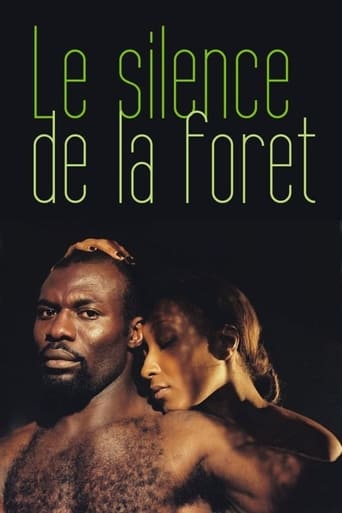
A film about the difficulty for even the most well-intentioned person to know and respect another culture. In this case, the problem is so acute that there is even heated debate over what to call that 'other.' The subtitles in the film use the familiar word 'pygmies,' a relatively pejorative European term; the Bantu or villagers' expression for the same group, Babingas, carries similar negative connotations. These highly specialized, tropical rainforest hunter-gatherers should perhaps be called by their own ethnonym, Aka, MoAka (sing.) and BaAka (pl.)