

The Disappearing Male
TV Movie · Documentary
Overview
The Disappearing Male is about one of the most important, and least publicized, issues facing the human species: the toxic threat to the male reproductive system. The last few decades have seen steady and dramatic increases in the incidence of boys and young men suffering from genital deformities, low sperm count, sperm abnormalities and testicular cancer. The Disappearing Male takes a close and disturbing look at what many doctors and researchers now suspect are responsible for many of these problems: a class of common chemicals that are ubiquitous in our world.








No cast information.
Similar Movies
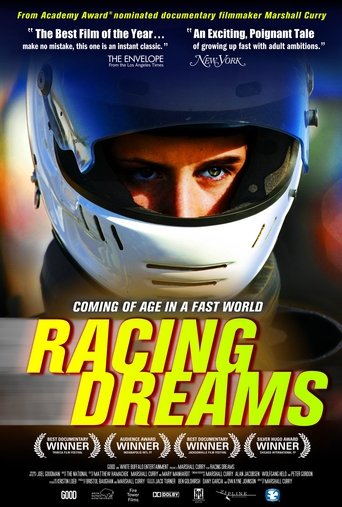
From go-kart champs, NASCAR winners are bred -- or so goes the thinking of the drivers (and their families) involved in the World Karting Association's National Pavement Series. This documentary follows three of the series' top contenders. Although small in stature, the adolescent racers harbor big dreams as they hit speeds of 60 to 70 miles per hour in their quest to ascend the first rung on their way to NASCAR in this film from Marshall Curry.

When a child gets hold of a loaded handgun, someone often dies. Last year, 24,000 Americans lost their lives to handguns...and 3,600 of them were children. This profoundly disturbing documentary tells the stories of five handguns that killed five children--and how their deaths might have been prevented.

On May 8, 1989, Sports Illustrated ran an article about Ultimate frisbee… about a team with no name hailing from New York City that was about to change the sport forever. From its 1968 New Jersey birth to its unanimous 2015 recognition by the International Olympic Committee, FLATBALL circles the globe to showcase four decades of world-class Ultimate and goes even further: to a set of fields in the Middle East to understand and demystify the unique spirit of the game.

A 2008 documentary and debut feature film of Bafta-Award nominated director Jamie Jay Johnson. It follows the lives of the participants of the Junior Eurovision Song Contest 2007, specifically the entrants from Belgium, Bulgaria, Cyprus and Georgia. The film sees them proceed from the national finals that saw them crowned the representatives of their country through to the international song festival itself held in Rotterdam, the Netherlands where they each compete against 16 other acts.
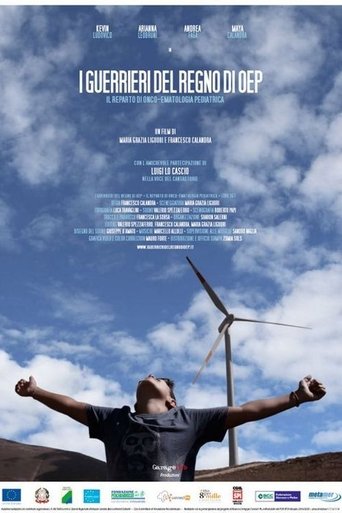
A documentary with some fictional scenes that focuses the attention, more than on hospitalized children, on the human dynamics that are established in their families. Shot in the Oncohematology ward of an Italian hospital, the movie follows the life of some young patients being treated, alternating interviews with their relatives and hospital staff.

From an official perspective, marginal youth culture did not exist in East Germany. The topic of subcultures was taboo in the GDR, and groups such as goths, skinheads, anti-skins, punks and neo-Nazis were dismissed as social deviations promoted by western countries. Director Roland Steiner had access to such young East Germans in the late 1980s. Over the course of four years, he brought them before the camera in an attempt to understand what drew them to these groups.