

Hundred to One Hundred
Drama
Overview
Hundred to one hundred (Persian: صدبرابرصد) is a 1995 Iranian film written and directed by Hossein Shahabi (Persian: حسین شهابی)
Top Cast

Mohammad Morovvati
Mohammad Morovvati
Morovvati
Mohammad Morovvati
Morovvati
Karim Nobakht
Karim Nobakht
Nobakht
Karim Nobakht
Nobakht
Shirin Rahimi
Shirin Rahimi
Rahimi
Shirin Rahimi
Rahimi
Azar Vakil
Azar Vakil
Vakil
Azar Vakil
Vakil
Hamid Aslani
Hamid Aslani
Aslani
Hamid Aslani
Aslani
Similar Movies

A haughty acclaimed newly married fashion designer named Iraj is shown the door by his boss after the boss's son arrives at Iran to take over his father's company. Iraj reluctant to promulgate the loss of his job, starts using his savings, trying to conceal the truth from his naive wife. Having squandered all the money he had on trivial matters, he tells his wife about being axed & that's when the tables turn on him.
THE BRIGHT DAY weaves a story that has its roots in the complexity of Iran’s draconian laws governing capital punishment. A kindergarten teacher hopes to aid the father of one of her young students, a man accused of manslaughter, by convincing each of seven reluctant witnesses to come forward. No one lacks a hidden agenda in this drama in which shades of truth collide with self-interest and the specter of payback. (Gene Siskel Film Center)
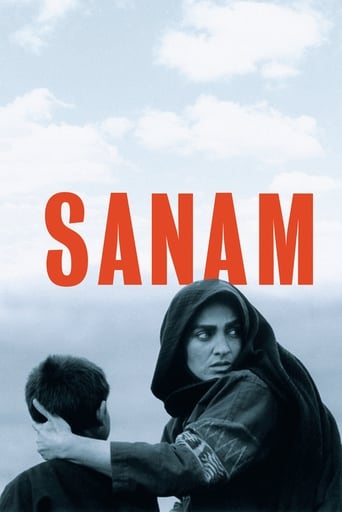
In a small valley, riders pursue and kill a man. A horse thief, so his assassins claim. But for his ten year old son Issa, the disappearance of his father causes an avalanche of problems. With the family name stigmatized, Issa is bullied by the other children in the village. While his mother fights to clear her husbands name, Issa is left to his own devices. But unexpectedly, his solitude gives birth to his freedom, his real passion, horses.
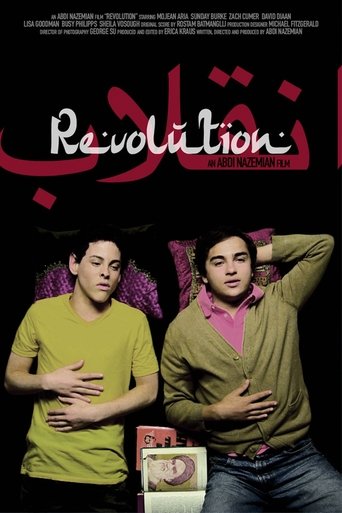
A coming-of-age story about Jack, a 16-year old Iranian boy growing up in 1989 Los Angeles. With the 1979 Iranian Revolution a distant memory, the AIDS movement as a backdrop, and a haunting score by Vampire Weekend's Rostam Batmanglij, Jack learns how to stage his own much smaller revolution within the confines of his traditional family.

A young woman's wedding becomes a ritual of mourning when her sister and family die in an auto accident on the way to the wedding. The sisters' mother refuses to accept her daughter's death, and in the midst of wedding guests and mourners, including the drivers of the truck that caused the accident, she orders the wedding to take place. But how can the daughter marry in the midst of a wake and without the family's traditional mirror, which the sister was bringing to the service?
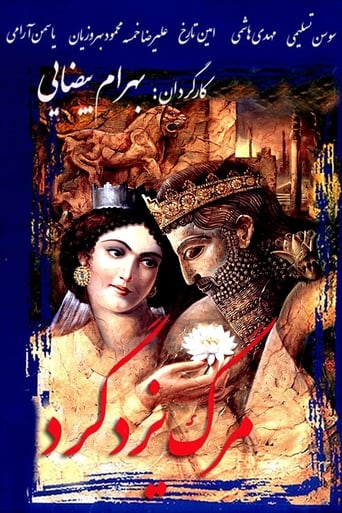
Bahram Beyzai's poetic imagining of the circumstances that led to the death of Yazdgerd III, the last of the Sassanid kings of Iran. His death in 651, during the Arab invasions that brought Islam to this Zoroastrian realm, was mysterious: his corpse was discovered in a mill, but the cause of his death—and the whereabouts of his remains—are unknown.
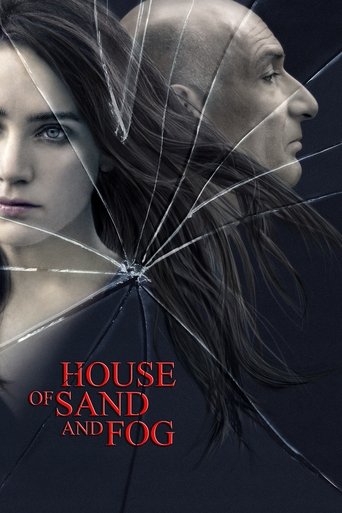
Behrani, an Iranian immigrant buys a California bungalow, thinking he can fix it up, sell it again, and make enough money to send his son to college. However, the house is the legal property of former drug addict Kathy. After losing the house in an unfair legal dispute with the county, she is left with nowhere to go. Wanting her house back, she hires a lawyer and befriends a police officer. Neither Kathy nor Behrani have broken the law, so they find themselves involved in a difficult moral dilemma.