

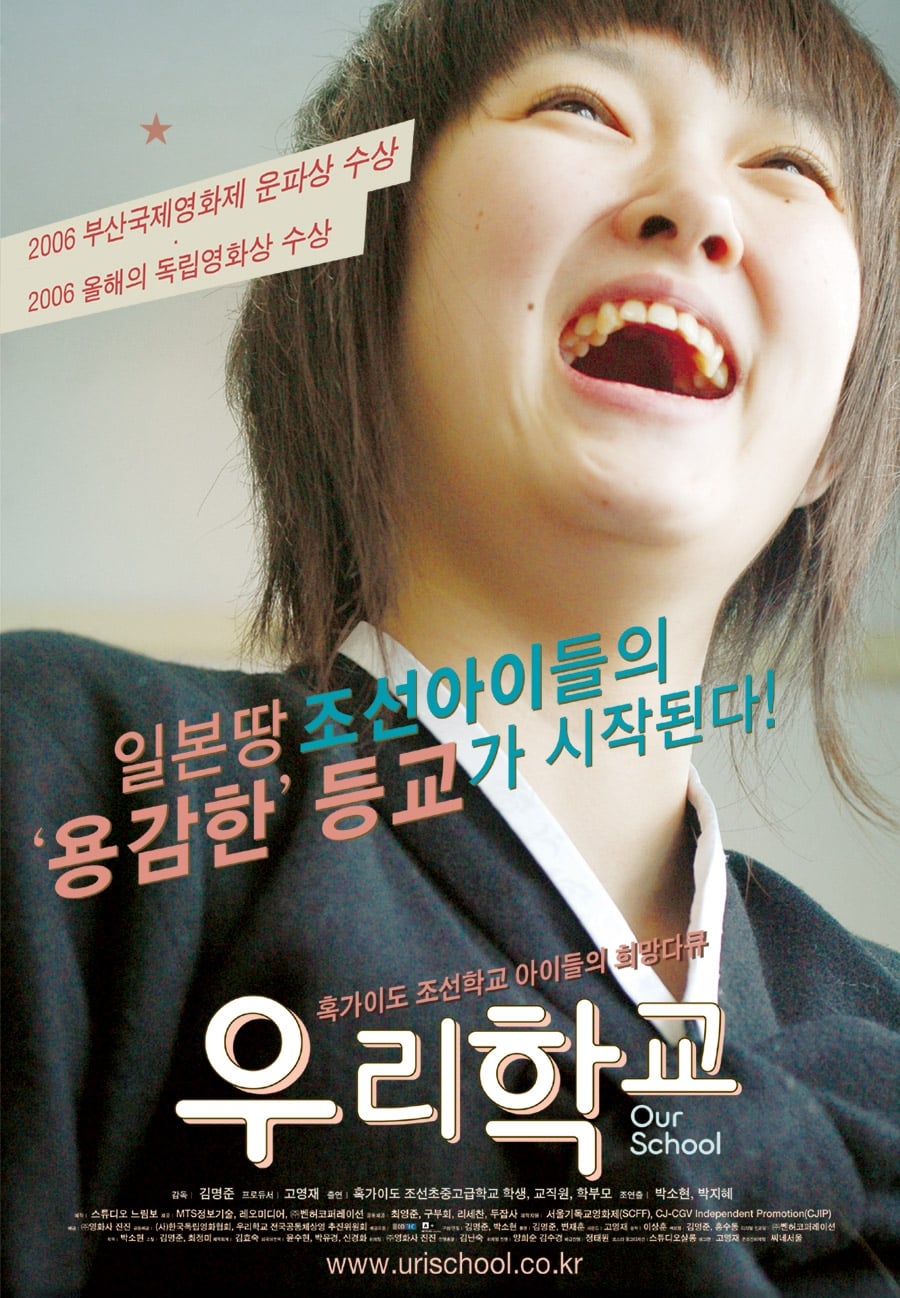
Our School
Documentary
Overview
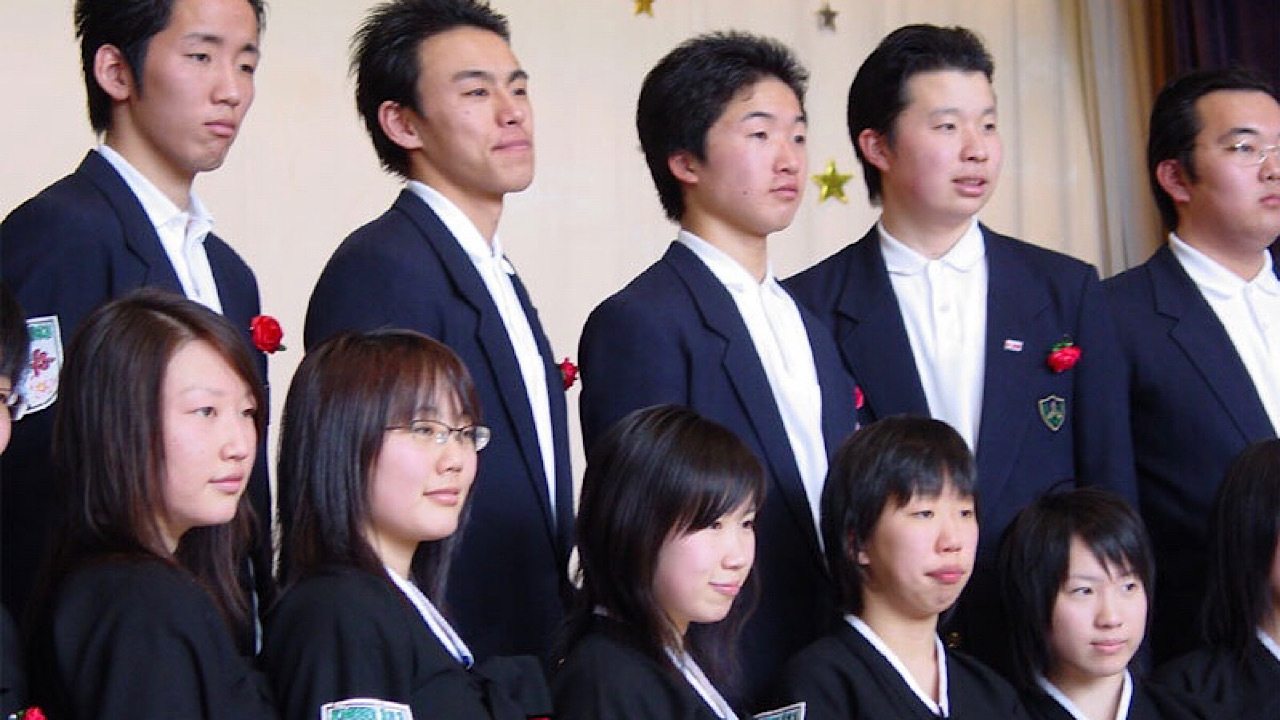
This documentary is about the 3rd and 4th generation Korean residents of Japan who are students of Chosen elementary, middle, and high school in Hokkaido. It follows the students through one year of the eventual 11 years` national education. Rather than focusing on special occasions or issues, it reveals what it is like to live in Japan as Korean-Japanese by describing their everyday lives.


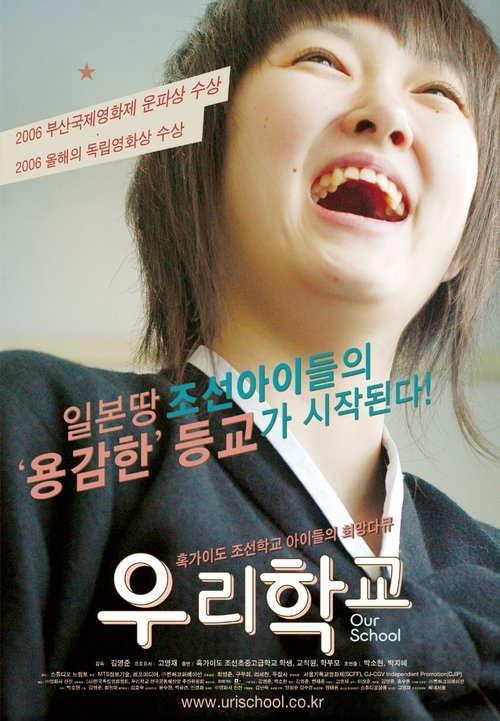
No cast information.
Similar Movies
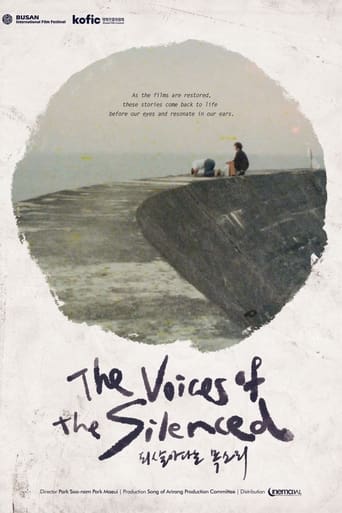
Director Park Soo-nam, a second-generation Korean resident in Japan who is losing his eyesight, decides to digitally restore 16mm film she shot a long time ago, relying on her daughter Park Ma-eui's eyesight. The blood, tears, and numerous corpses of Koreans living in Japan are clearly engraved in the film filmed over 50 years.
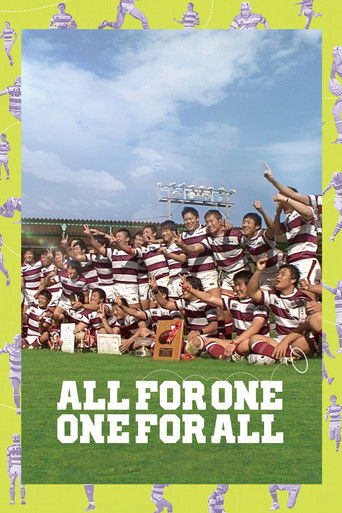
Osaka Korean High School has provided education for the past six decades to the children of pro-North Korean residents in Japan. This school is located only about 20 minutes away from Hanazono Stadium, the mecca of Japan’s high school rugby, but it was not until 1994, 18 years after the foundation of a rugby team at the high school, that the Japanese education ministry approved the team’s entry into the official league. Since then, the team has run in the national league as a representative of the Osaka area and been considered a front-runner ever since. The team has strong players and passionate supporters, but it faces difficulties just before winning the league.
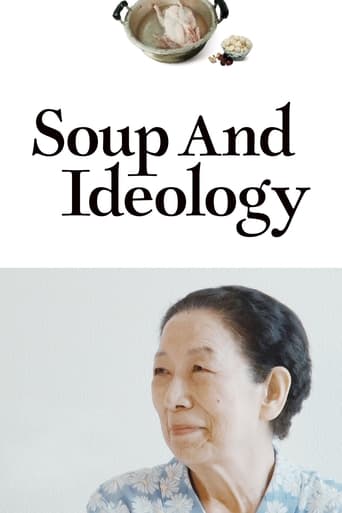
Confronting half of her mother’s life—her mother who had survived the Jeju April 3 Incident—the director tries to scoop out disappearing memories. A tale of family, which carries on from Dear Pyongyang, carving out the cruelty of history, and questioning the precarious existence of the nation-state.
Featuring exclusive footage from the makers of "High Performance Imports," Australia's top automotive publication covering the Japanese import scene, this video magazine takes you along for a pulse-pounding ride through furious drift and circuit battles, street drags and racing action. You'll tour the HKS factory and chat with their engineers; visit the leading vehicle workshops; track the development of the R34 Skyline project car; and much more.
Dear Pyongyang is a documentary film by Zainichi Korean director Yang Yong-hi (Korean: 양영희, Hanja: 梁英姬) about her own family. It was shot in Osaka Japan (Yang's hometown) and Pyongyang, North Korea, In the 1970s, Yang's father, an ardent communist and leader of the pro-North movement in Japan, sent his three sons from Japan to North Korea under a repatriation campaign sponsored by ethnic activist organisation and de facto North Korean embassy Chongryon; as the only daughter, Yang herself remained in Japan. However, as the economic situation in the North deteriorated, the brothers became increasingly dependent for survival on the care packages sent by their parents. The film shows Yang's visits to her brothers in Pyongyang, as well as conversations with her father about his ideological faith and his regrets over breaking up his family.
From 1950 to 1953, one hundred thousand children were orphaned by the Korean War. With no resources to mend the wounds, the two sides, North and South, took different paths to find homes and families for the war orphans. While the children of South Korea were sent to Europe and the United States through ‘International Adoption’, the children of North Korea were distributed across Eastern Europe through a method called ‘Commissioned Education’. As a result, more than five thousand children from the North had to spend nearly a decade living in foreign lands across Eastern Europe. This story is a record of their lives, which used to be kept hidden from the rest of the world. There is a key to understanding how North Korea's closed political structure began and how the ‘Juche ideology’ was formed in this documentary movie. Understanding North Korea in the 1950s is an important way to understand North Korea at present.
After my grandfather 's Baek-su (age 99’s birthday party) banquet, asking me to write an autobiography for him. Two years later, he passed away and left his favor as homework to me. I discovered the history of the past that I could not associate with his name. As a filmmaker, I frequently attended burials that were far from my life. I have been living in the United States for a while, and I have often come to think about the country and nationality.