

Bob Marley: The Legend Live
Music
Overview
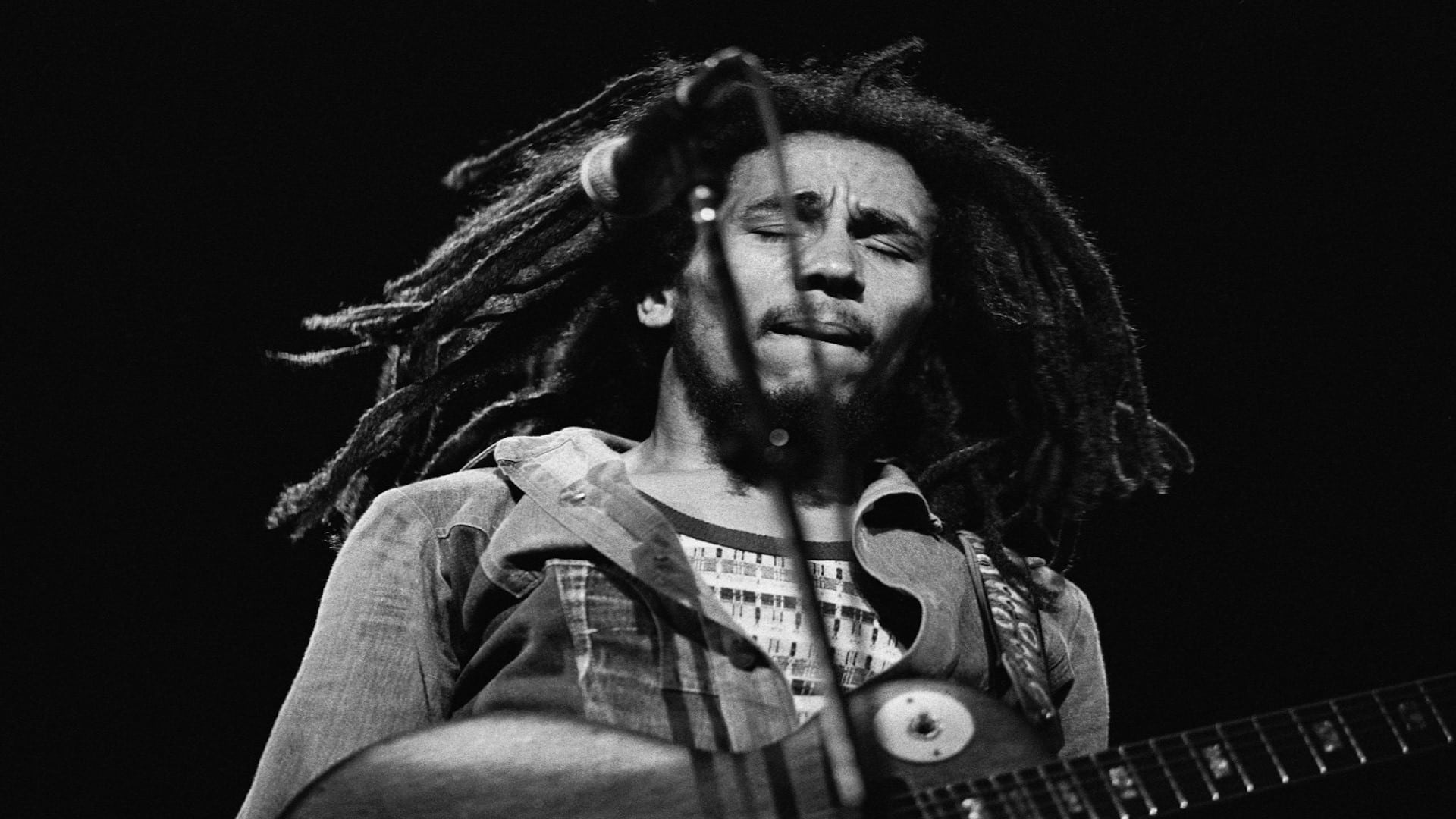
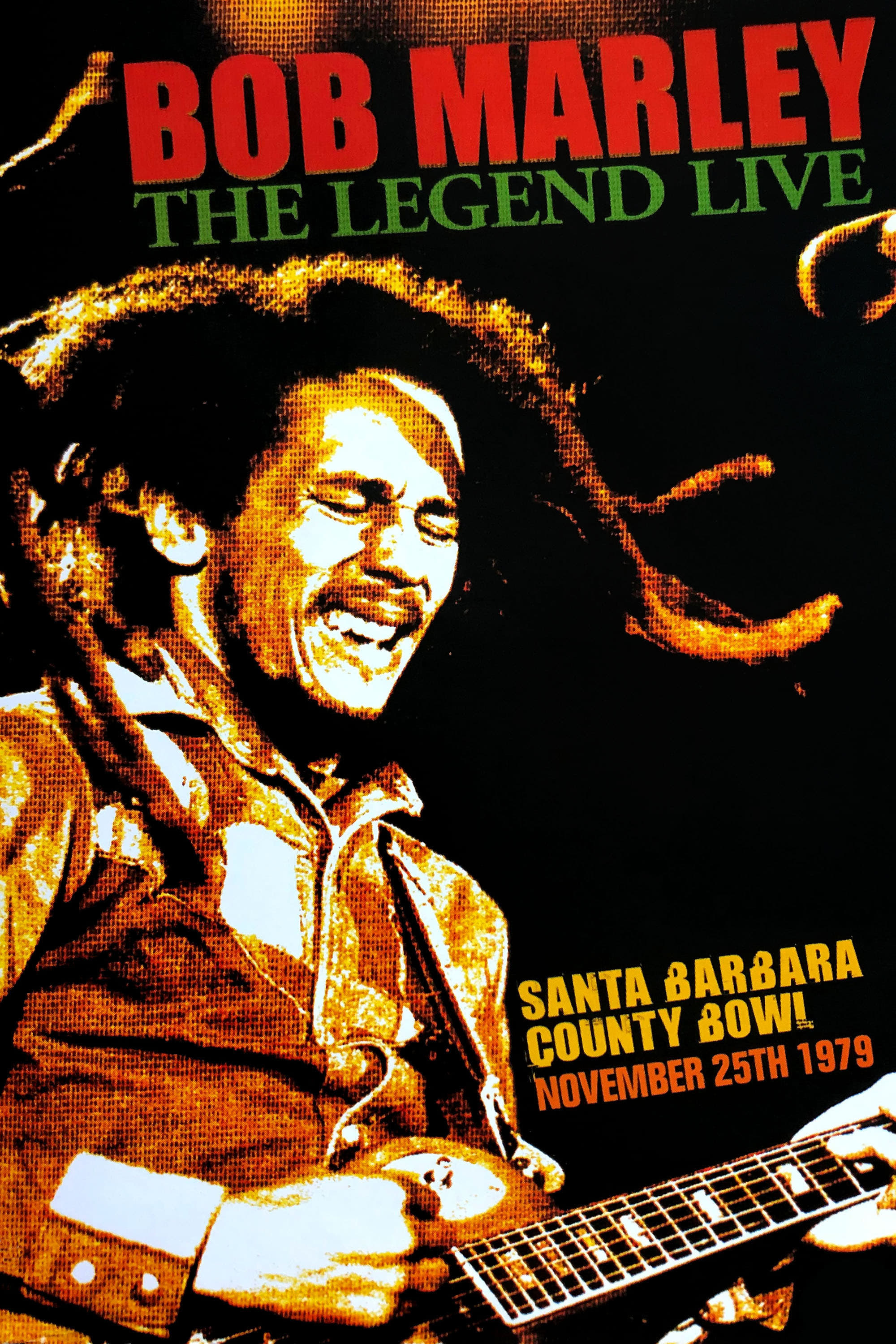
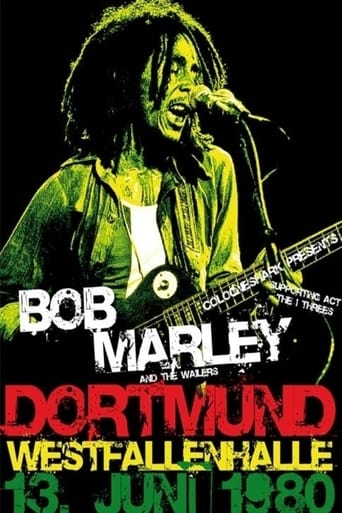
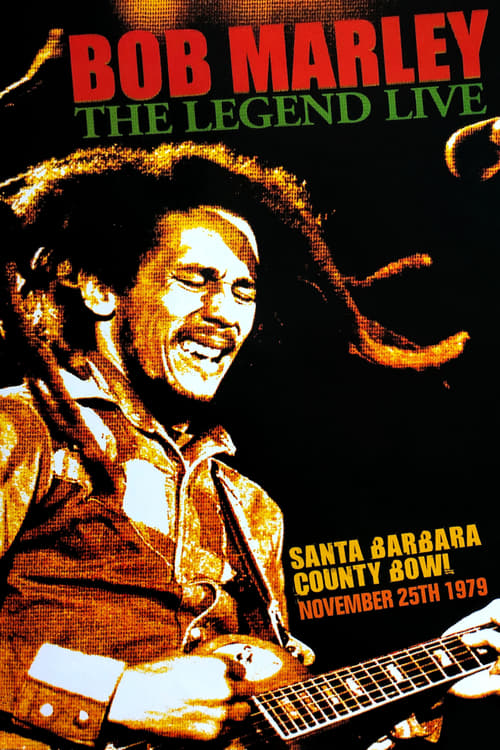
Recorded in California at the Santa Barbara County Bowl, this live concert appearance from Bob Marley and the Wailers was filmed on November 25, 1979. One of the last shows to be recorded before Marley's untimely demise, the gig is a scintillating mix of reggae classics and provides a fitting epitaph to the influential musician. Tracks include "I Shot the Sheriff," "Exodus," "Is This Love" and many more.





Rita Marley
Rita Marley
Self - Vocals
Rita Marley
Self - Vocals
Bob Marley
Bob Marley
Self
Bob Marley
Self
Al Anderson
Al Anderson
Self - Lead Guitar
Al Anderson
Self - Lead Guitar

Aston Barrett
Aston Barrett
Self - Bass
Aston Barrett
Self - Bass
Carlton Barrett
Carlton Barrett
Self - Drums
Carlton Barrett
Self - Drums
Tyrone Downie
Tyrone Downie
Self - Keyboards
Tyrone Downie
Self - Keyboards
Earl Lindo
Earl Lindo
Self - Keyboards
Earl Lindo
Self - Keyboards
Junior Marvin
Junior Marvin
Self - Lead Guitar
Junior Marvin
Self - Lead Guitar
Judy Mowatt
Judy Mowatt
Self - The I-Threes
Judy Mowatt
Self - The I-Threes
Similar Movies
Urgh! A Music War is a British film released in 1982 featuring performances by punk rock, new wave, and post-punk acts, filmed in 1980. Among the artists featured in the movie are Orchestral Manoeuvres in the Dark (OMD), Magazine, The Go-Go's, Toyah Willcox, The Fleshtones, Joan Jett & the Blackhearts, X, XTC, Devo, The Cramps, Oingo Boingo, Dead Kennedys, Gary Numan, Klaus Nomi, Wall of Voodoo, Pere Ubu, Steel Pulse, Surf Punks, 999, UB40, Echo & the Bunnymen and The Police. These were many of the most popular groups on the New Wave scene; in keeping with the spirit of the scene, the film also features several less famous acts, and one completely obscure group, Invisible Sex, in what appears to be their only public performance.
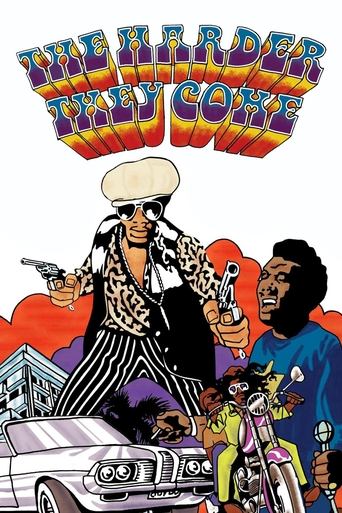
Ivanhoe Martin arrives in Kingston, Jamaica, looking for work and, after some initial struggles, lands a recording contract as a reggae singer. He records his first song, "The Harder They Come," but after a bitter dispute with a manipulative producer named Hilton, soon finds himself resorting to petty crime in order to pay the bills. He deals marijuana, kills some abusive cops and earns local folk hero status. Meanwhile, his record is topping the charts.
In early 1960s Toronto, a white, Anglo-centric city, an underground music scene emerged from the Jamaican diaspora, led by newcomers like Jackie Mittoo, Wayne McGhie, and a young Jay Douglas. Battling racism and indifference, they left a lasting but underrecognized mark on Canadian music and culture. Nearly 60 years later, Jay Douglas still champions Jamaican music and is finally receiving long-overdue recognition. Play It Loud is a feature documentary that tells the little-known story of how Jamaican music became a vital, unlikely part of Canadian culture. It traces a cultural migration that made Canada a global hub for Jamaican music - celebrated abroad but overlooked at home. Told through the life and music of beloved singer Jay Douglas, born Clive Pinnock in rural Jamaica, the film follows his journey from teen performer to enduring icon.
The Wailers, featuring the legendary Bob Marley, Peter Tosh and Bunny Wailer, became the most influential band in the history of Reggae music. "Catch a Fire," their first Island album, released in 1973, introduced them to an international rock audience. The principal figures in the creation of the album tell the story of how this record was designed to "cross-over." The program features a unique interview and performance with Bunny Wailer, rare archive interviews with Bob Marley and Peter Tosh and contributions in words and music from many of those who performed, Rare home movies of the Wailers in Jamaica, unseen footage lots more.
A powerful portrait of the leaders of the reggae music Movement, and how Reggae has become a worldwide phenomenon. The film showcases performances by the best Reggae and Dance Hall artists ever assembled. From their native ghetto to international fame, "Made in Jamaica" is the story of the artists who represent the Jamaican Dream.