

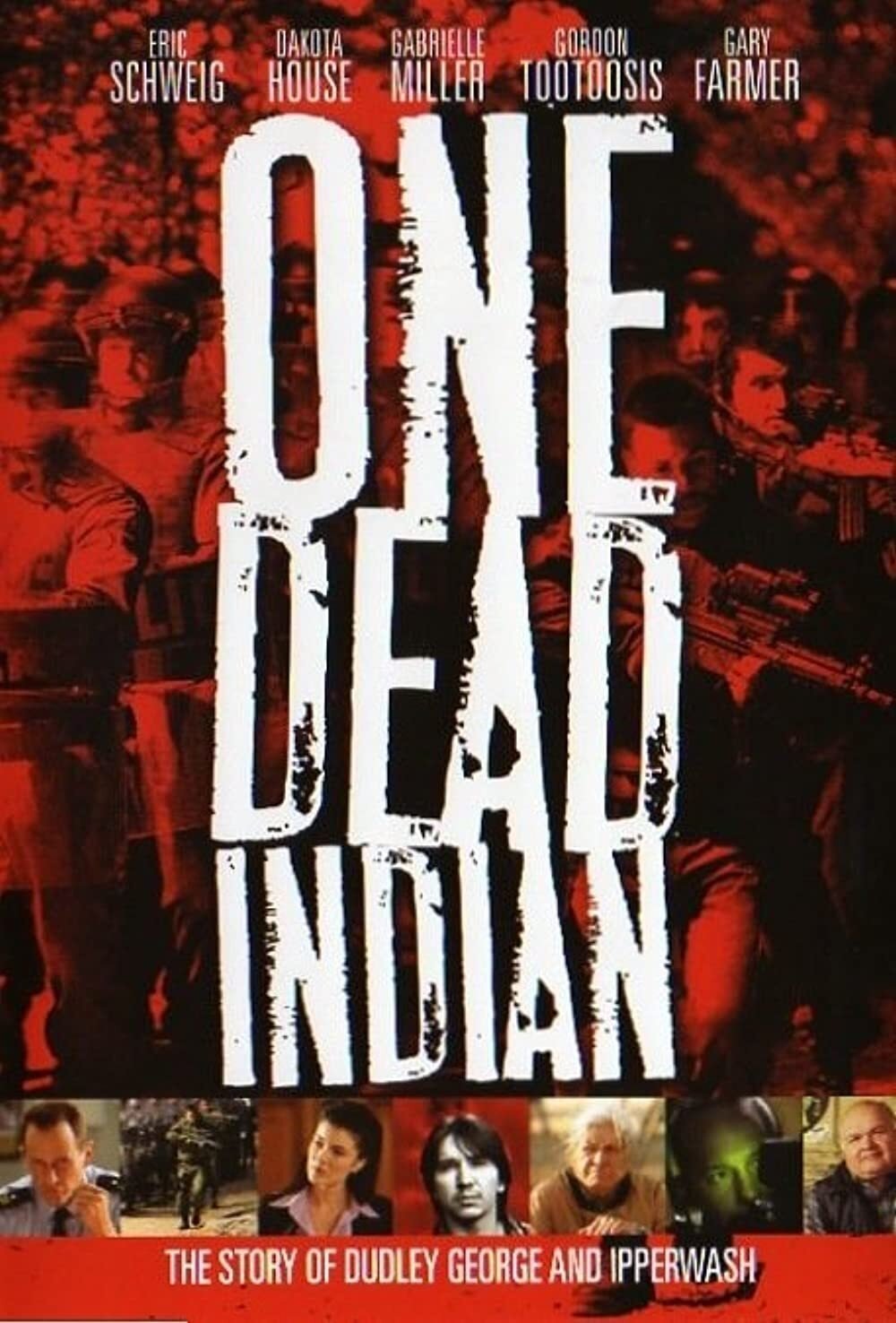
One Dead Indian
History · Drama
Overview
Stoney Point Natives assemble at Ipperwash Provincial Park for what began as a peaceful protest.



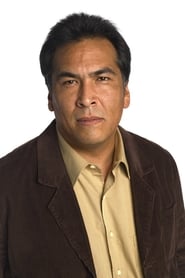
Eric Schweig
Eric Schweig
Sam George
Eric Schweig
Sam George
Dakota House
Dakota House
Dudley George
Dakota House
Dudley George

Gabrielle Miller
Gabrielle Miller
Premier
Gabrielle Miller
Premier
Stephen McHattie
Stephen McHattie
Police Field Commander
Stephen McHattie
Police Field Commander
Robin Wilcock
Robin Wilcock
Ian Scott
Robin Wilcock
Ian Scott
Similar Movies
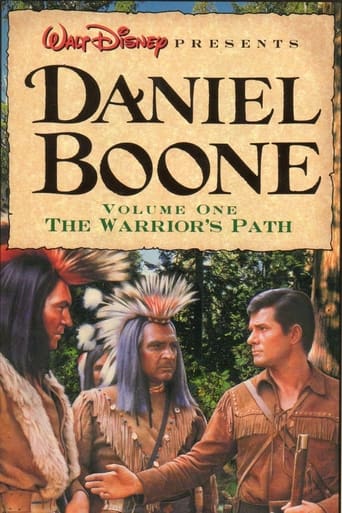
In North Carolina, Daniel Boone hears amazing tales about Kentucky and decides to move his family there. But first he has to find the Indian path that will lead him and earn enough money trapping to repay a loan. The Indians are not happy that settlers are coming, and make life difficult for them.
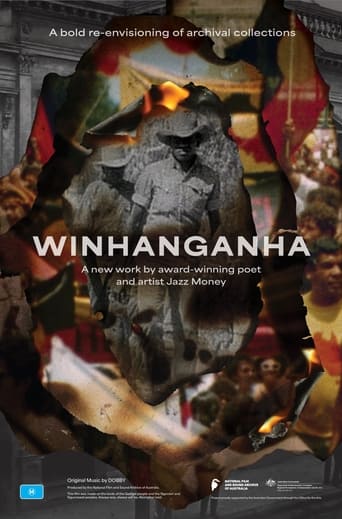
WINHANGANHA (Wiradjuri language: Remember, know, think) - is a lyrical journey of archival footage and sound, poetry and original composition. It is an examination of how archives and the legacies of collection affect First Nations people and wider Australia, told through the lens of acclaimed Wiradjuri artist, Jazz Money.
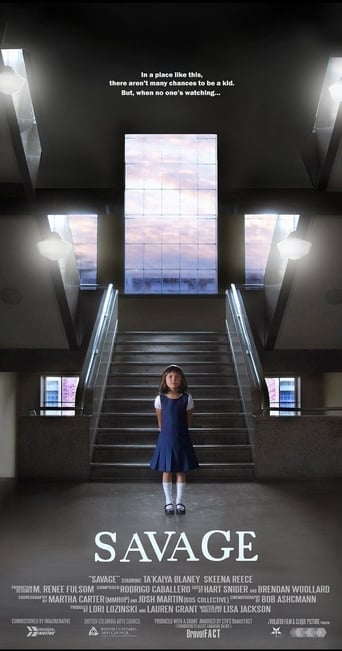
On a summer day in the 1950s, a native girl watches the countryside go by from the backseat of a car. A woman at her kitchen table sings a lullaby in her Cree language. When the girl arrives at her destination, she undergoes a transformation that will turn the woman’s gentle voice into a howl of anger and pain.

Cree matriarch Aline Spears survives a childhood in Canada’s residential school system to continue her family’s generational fight in the face of systemic starvation, racism, and sexual abuse. She uses her uncanny ability to understand and translate codes into working for a special division of the Canadian Air Force as a Cree code talker in World War II. The story unfolds over 100 years with a cumulative force that propels us into the future.
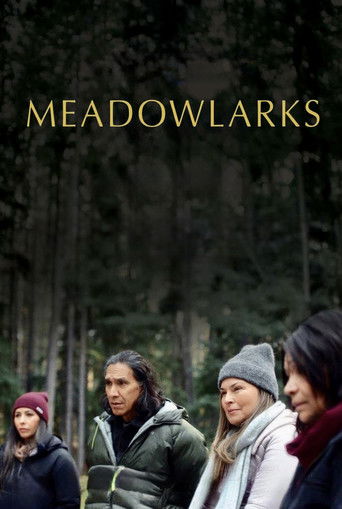
The film tells the story of four Cree siblings, Connie, Marianne, Gwen, and Anthony, separated as babies through Canada’s notorious Sixties Scoop, which saw indigenous children taken from their homes to be adopted by white families. Excited and curious, but also scared and afraid of rejection, they agree to meet for the first time over a holiday weekend in the mountains of Banff.
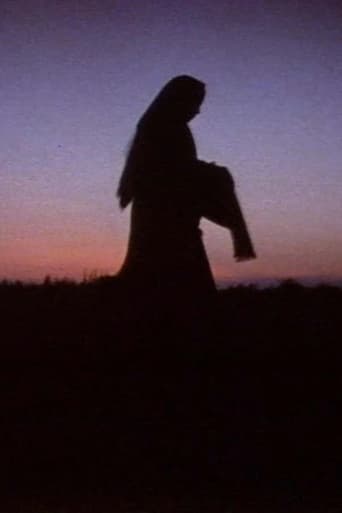
Filmed on location in Saskatchewan from the Qu'Appelle Valley to Hudson Bay, the documentary traces the filmmaker's quest for her Native foremothers in spite of the reluctance to speak about Native roots on the part of her relatives. The film articulates Métis women's experience with racism in both current and historical context, and examines the forces that pushed them into the shadows.