

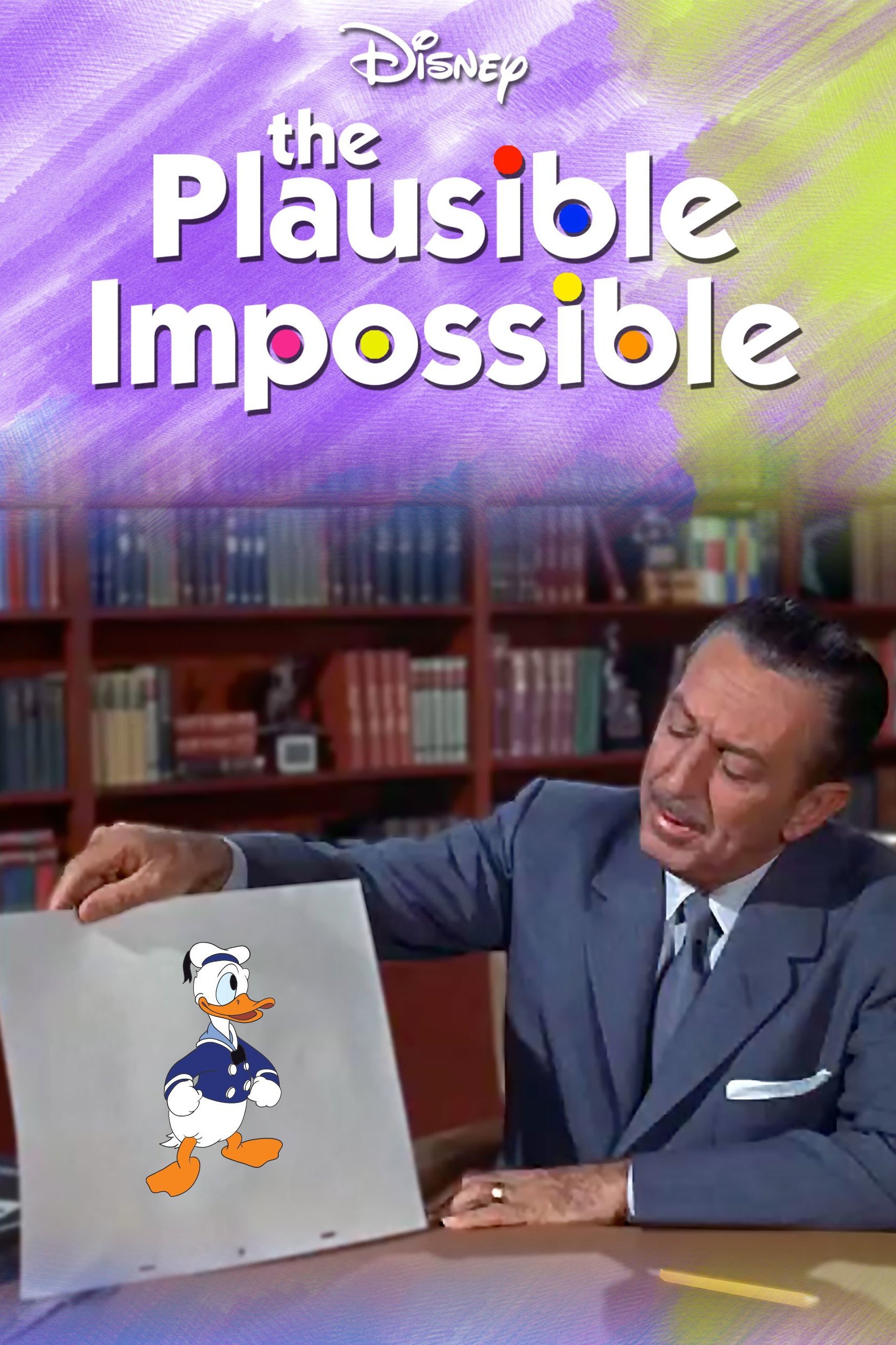
The Plausible Impossible
Documentary · TV Movie · Animation
Overview
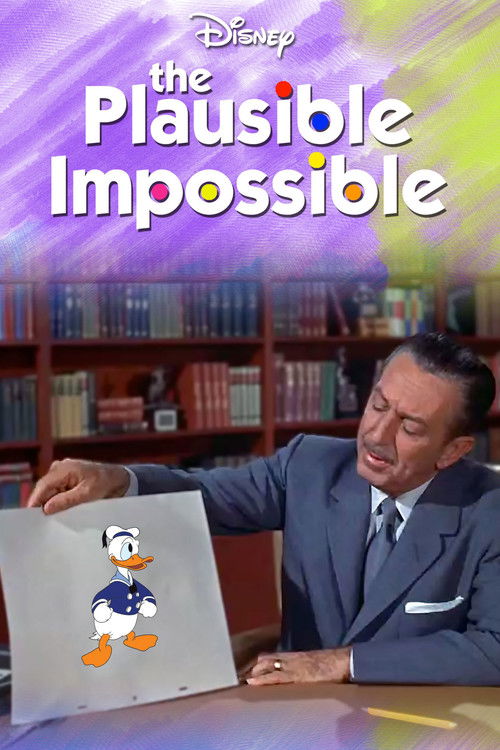
Walt Disney explains some of the techniques of animation, and includes for the first time the pencil test footage of the "Soup Eating Sequence" from Snow White and the Seven Dwarfs. Walt references a book called "The Art of Animation" which shows a technique that is used in animated cartoons that dates back to the ancient Egyptians and Greeks.
Top Cast







Walt Disney
Walt Disney
Presenter
Walt Disney
Presenter
Similar Movies
Tito del Amo, a passionate 72-year-old researcher, takes the final step to unravel the enigma about the alleged Spanish origin of the American cartoonist Walt Disney, making the same journey that his supposed mother made to give him up for adoption in Chicago. A journey that begins in Mojácar, Almería, Spain, and ends in New York. An exciting adventure, like Alicia's through the looking glass, to discover what is truth and what is not, with an unexpected result.

Franklin and his family are off on a Christmas visit with Grandma and Grandpa at Faraway Farm. When a sudden ice storm hits and Grandpa takes a terrible tumble, Franklin and his baby sister Harriet begin a magical adventure as they journey home in search of help. With the aid of a mysterious flying creature and some very special new friends, the two manage to return with Doctor Bear and her family. Once back together, friends and family share an enchanted Christmas Ever and a memory they will hold forever of a magical Christmas night.

Rare documents and details of the film's story. From its initial option to its critical reception and legacy. Director David Weisman, who also produced "Kiss of the Spider Woman", comes off as rightful creative force behind the production, as it was his true passion. Very detailed comments from all the participants, from the author of the book to the lawyer for the production company, the actors, director, writers, producer, and crew members.
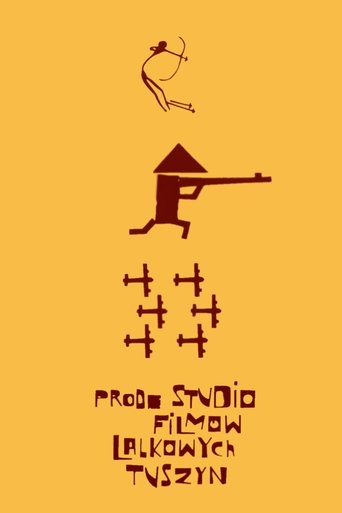
Paper cutouts over images of mixed colorful liquids, creating hypnotizing swirls and aesthetic explosions, as well as combining original and futurological sounds. Starting with the relentless hunting of antelopes, the geometric cutouts show the constant struggle between the warring groups. We have been observing it since the primeval times, when the tools of the battles were arches and spears, through the times of the domination of swords, later replaced by firearms. The increasing automation and power of war machines, the emergence of tanks and aircraft, eventually the use of weapons of mass destruction lead to total annihilation
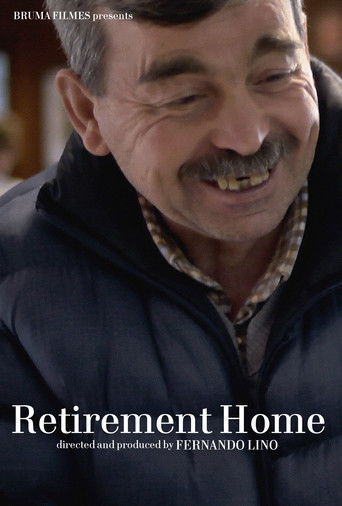
A group of elders spends their weekdays in a retirement home in Sandim, in the north of Portugal, where they talk, do arts and crafts, practice yoga and pray. We follow them between October 2012 and March 2013, when an economic crisis overshadowed Portuguese society and unemployment rates reached record levels. Meanwhile, arrangements are made for the Carnival ball. Will they bring the first place home this time?
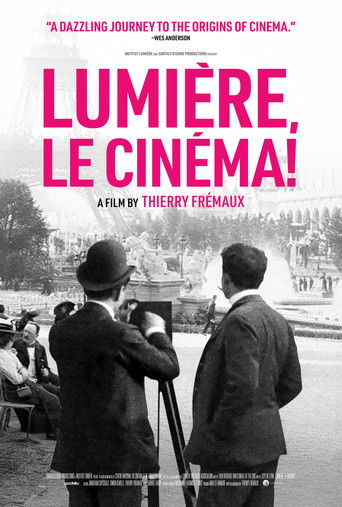
In one of those wonderful coincidences of history, lumière, the French word for “light,” was also the last name of brothers Auguste and Louis, whose brilliant invention, the cinematograph, helped to inaugurate the most beloved art form of the last 130 years. Institute Lumière director Thierry Frémaux uses Lumière, Le Cinema! to guide the viewer through over a hundred shorts—some famous, some forgotten, some never before seen—directed by Lumière and company. In the process, Frémaux illuminates how the brothers employed the camera as a creative instrument as they (and their operators) mastered framing, staging, and subject selection for quotidian and exotic microdocumentaries as well as the first ever fictional motion pictures. The result is not only a glorious re(telling) of the genesis of cinema but a profound meditation on the beautiful world captured—and the mysterious world imagined—by the Lumières.