


Public Execution
Documentary
Overview
This documentary film essay analyses controversial police procedures in Germany in autumn 1974, when in a number of the police interventions suspects were killed before being arrested or tried.



No cast information.
Similar Movies
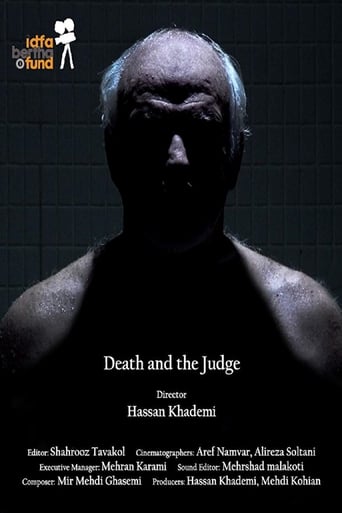
The documentary, " Death and the Judge", revolves around Iran's most famous criminal judge, Azizmohammadi. He served as a criminal judge for 45 years and issued about 4500 death sentences; a record in not only Iran, but also the world. This documentary looks into his personal and professional life as he is followed within his home with his family, in the court of law, and in his retirement days. The ultimate purpose of the documentary is to deduce the role of death in the judge's life as he either takes life away from criminals or death comes to his loved ones. During his retirement, he is once again given the choice between the life and death of a person, despite no longer being a judge.
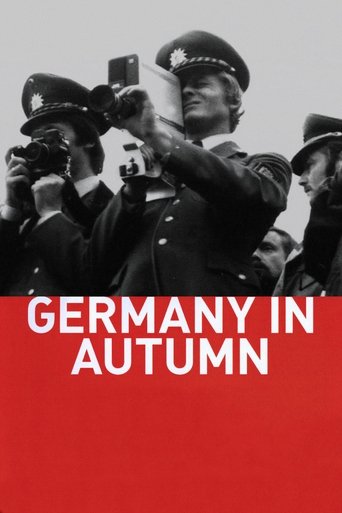
Nine fictitious documentaries and films reflect the mood of late 1970s Germany, particularly the two-month period in 1977 when a businessman was kidnapped by the RAF (Red Army Faction). The kidnap had been made to orchestrate the release of the original leaders of the RAF, aka the Baader-Meinhof.
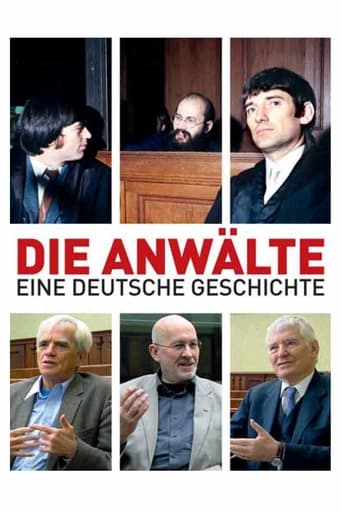
In the early 1970s, Otto Schily and Hans-Christian Ströbele were part of the group of attorneys of the left-wing extraparliamentary opposition in Germany. In this function, they, for instance, represented the militant Horst Mahler in court. One thing that united all three of them was their goal to create a new and different republic. They viewed Federal Germany as an oppressor of political freedom and as a vassal of the United States. Today, Schily is a former Federal Minister of the Interior with a firmly conservative stance and Ströbele is a well-respected member of the left wing of the Green Party in the German parliament while Mahler has again come into conflict with the law because of his extremist right-wing activities.
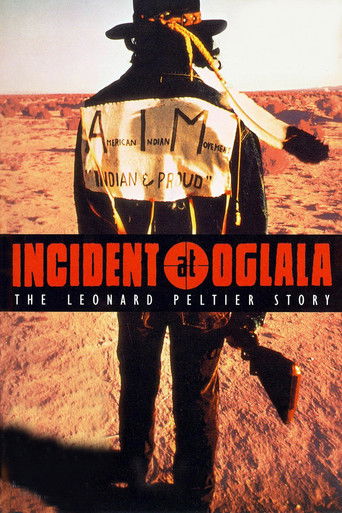
On June 26, 1975, during a period of high tensions on the Pine Ridge reservation in South Dakota, two FBI agents were killed in a shootout with a group of Indians. Although several men were charged with killing the agents, only one, Leonard Peltier, was found guilty. This film describes the events surrounding the shootout and suggests that Peltier was unjustly convicted.
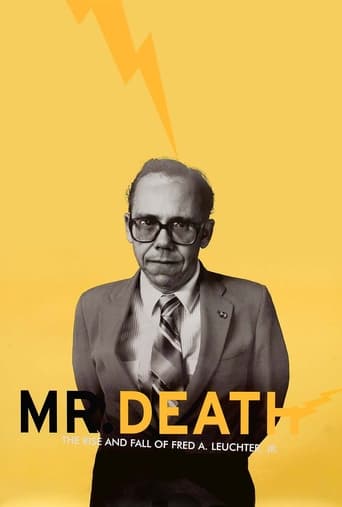
Documentary filmmaker Errol Morris investigates the case of a man who became an authority on capital punishment, but was discredited when he got involved on the wrong side of a court case. Leuchter, a meek man whose appearance belies his grim expertise, develops what he says is a more effective electric chair. Before long he's in demand from officials who want his opinions on other kinds of execution. But when called to aid the case of an accused Holocaust denier, Leuchter's problems begin.
Scott Panetti was tried for the capital murder of his parents-in-law on September 8, 1992 in Gillespie County, Texas. He was subsequently sentenced to death on September 22, 1995. Panetti has an extensive history of mental illness, including schizophrenia, manic depression, auditory hallucinations and paranoia. Panetti was hospitalized, both voluntarily and involuntarily for mental illness fourteen times in six different hospitals before his arrest for capital murder in 1992. Following his conviction, Panetti’s former wife, and daughter of the victims, Sonja Alvarado, filed a petition stating that Panetti never should have been tried for the crimes as he was suffering from paranoid delusions at the time of the killings.
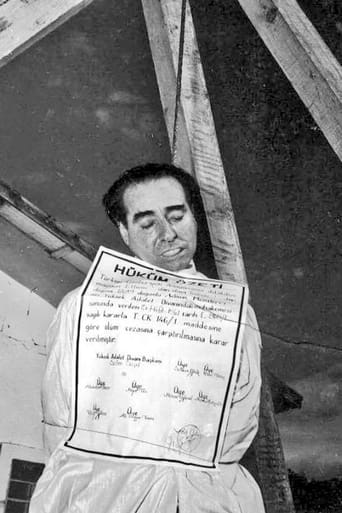
We came to the end of the road. We told you the story of the establishment of a democracy throughout 9 episodes... We witnessed the collapse of a one-party regime. We witnessed the disappearance of the national chiefdom. Together we experienced the holding of the first free general elections and the raising of democracy in pain. And finally, we told you about the birth, rise and fall of a new power. Where we ended up was a military intervention. Whatever the reasons, the storm of revolution had blown once. Now the task of the officers who seized power on the morning of May 27 was to contain that storm. But it didn't. After a while, the storm started to drag the revolutionaries in front of it. The historical scenario was repeated. The Revolution ate some of their children. The revolution was now speaking its own language...
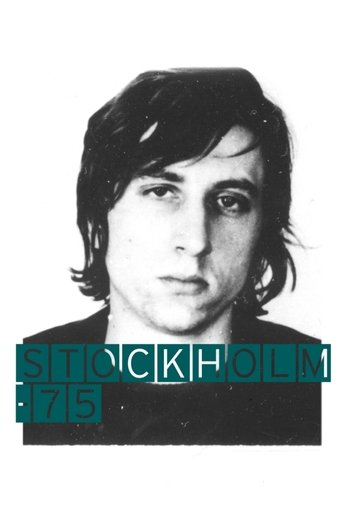
In April 1975 Commando Holger Meins occupies the West German Embassy in Stockholm. In exchange for the hostages they want to force the release of RAF-prisoners in Germany; Andreas Baader, Ulrike Meinhof, Gudrun Ensslin, etc. The occupation lasts twelve hours and ends in defeat for the occupants, left is a blown-up Embassy and four people dead, two of them executed by the occupants. Karl-Heinz Dellwo, 23 years old, is arrested and sentenced to jail. In 1995 he is released from prison. Today he lives in Hamburg with his girlfriend Ella, also a former terrorist. Karl-Heinz is trying to create a new life for himself, but he is always haunted by his violent past.