

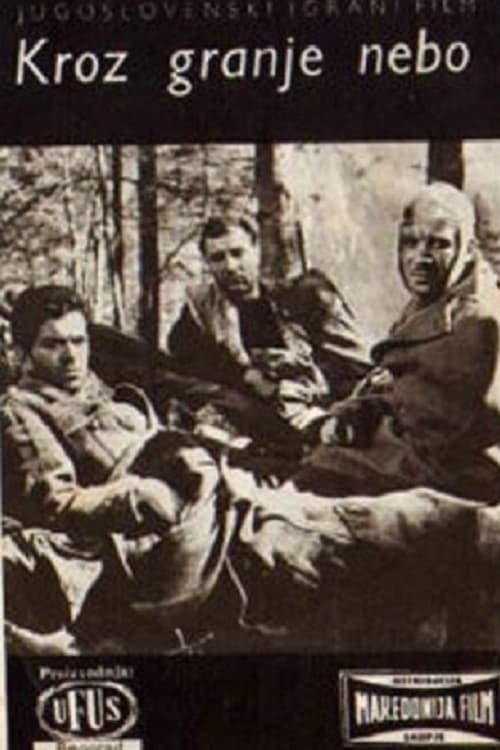
SS Strike at Dawn
Drama · War
Overview
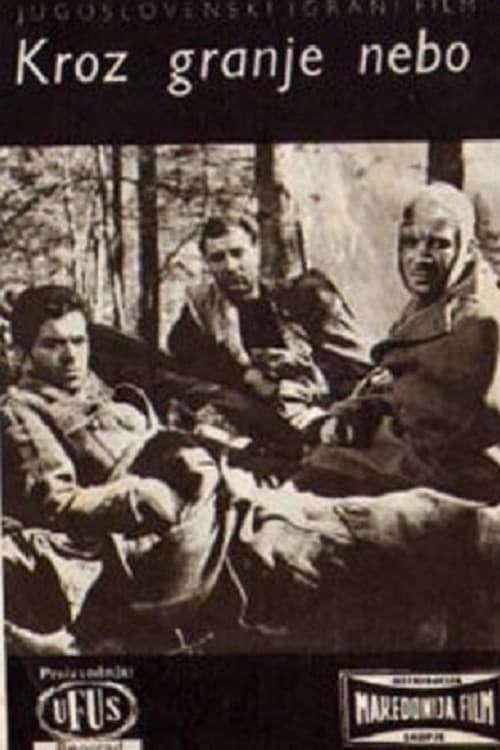
During the Battle of Sutjeska, headquarters one of the a partisan detachment, decides to enter deeper into the forest to save a few soldiers and wounded from inevitable death. Commander of the detachment, sent a group of fighters in the reconnaissance. As time goes on, the Germans are getting closer to discovering the detachment and wounded, hunger, exhaustion, forcing people to surrender, but at the time of surrender, and when the Germans discovered detachment, there is a sudden rescue from the group that was in the field reconnaissance.
Top Cast
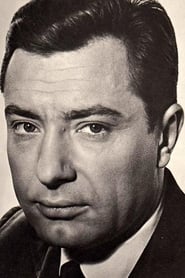
Branko Pleša
Ranjenik na nosilima I
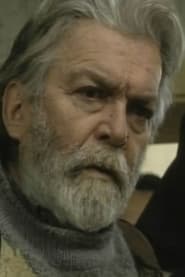
Predrag Laković
Ranjenik na nosilima II
Ljuba Kovačević
Komandir Zekavica
Jozo Laurenčić
Ranjenik koji leži na trbuhu
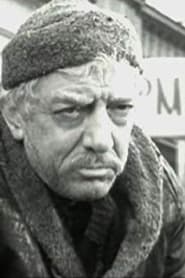
Nikola Popović
Mitar, tifusar
Salko Repak
Deda koji je slijep
Miroslav Petrović
Faust
Stole Aranđelović
Tifusar
Nada Škrinjar
Dječakova majka, ranjenica na nosilima

Vera Čukić
Branka, bolničarka
Dragan Šaković
Simo
Branislav 'Ciga' Jerinić





Branko Pleša
Branko Pleša
Ranjenik na nosilima I
Branko Pleša
Ranjenik na nosilima I
Predrag Laković
Predrag Laković
Ranjenik na nosilima II
Predrag Laković
Ranjenik na nosilima II
Ljuba Kovačević
Ljuba Kovačević
Komandir Zekavica
Ljuba Kovačević
Komandir Zekavica
Jozo Laurenčić
Jozo Laurenčić
Ranjenik koji leži na trbuhu
Jozo Laurenčić
Ranjenik koji leži na trbuhu
Nikola Popović
Nikola Popović
Mitar, tifusar
Nikola Popović
Mitar, tifusar
Salko Repak
Salko Repak
Deda koji je slijep
Salko Repak
Deda koji je slijep
Miroslav Petrović
Miroslav Petrović
Faust
Miroslav Petrović
Faust
Stole Aranđelović
Stole Aranđelović
Tifusar
Stole Aranđelović
Tifusar
Nada Škrinjar
Nada Škrinjar
Dječakova majka, ranjenica na nosilima
Nada Škrinjar
Dječakova majka, ranjenica na nosilima
Vera Čukić
Vera Čukić
Branka, bolničarka
Vera Čukić
Branka, bolničarka
Similar Movies
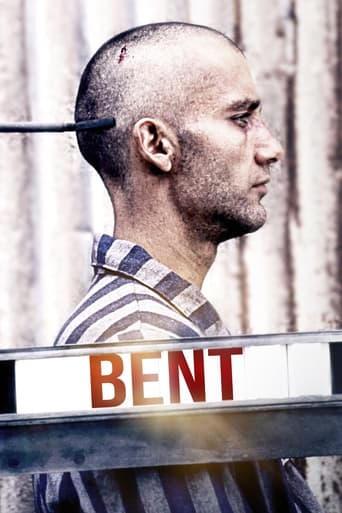
Max is a handsome young man who, after a fateful tryst with a German soldier, is forced to run for his life. Eventually Max is placed in a concentration camp where he pretends to be Jewish because in the eyes of the Nazis, gays are the lowest form of human being. But it takes a relationship with an openly gay prisoner to teach Max that without the love of another, life is not worth living.
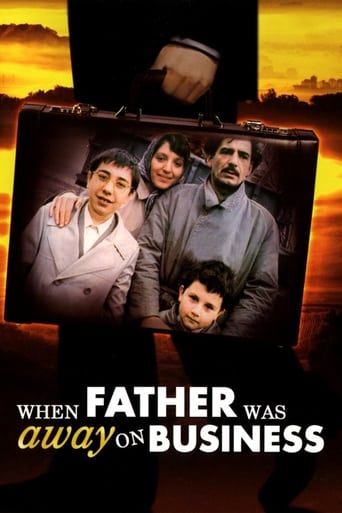
In a post-WWII Yugoslavia still under Stalinist rule in the 1950s, six-year-old Malik is oblivious as to why his father, Mehmed, has suddenly disappeared. In truth, Mehmed has been sent to a labor camp as punishment for acts of sexual indiscretion involving young girls. Malik's mother, Senija, however, has no answers, and the family must cope in the father's absence.

In 1943, a group of high school students decide to take action against the Nazi occupying forces. Showing courage and imagination, they manage to blow up the Kommandantur and to release hostages. But after the killing of a German soldier the Nazi police apparatus strikes back. The young resisters are arrested and two of them are condemned to death.
They meet in Yugoslavia. Katharina, daughter of a Yugoslavian immigrant worker, has grown up in the Federal Republic of Germany. She is a confident, energetic career woman who has managed to work her way up to become a successful television journalist. She goes to visit her parent's country, to do a story about the children of immigrant workers in their home country. Although she says she doesn´t need a "home" any more, even she feels strange in her own country. Peter is a rather "untypical" sort of man: a dreamer, a thinker. He has given up his steady job as a composer for advertising films and is divorced. He goes to Jugoslavia to find something out about the past. He travels to the places where his father was stationed during the Second World War.
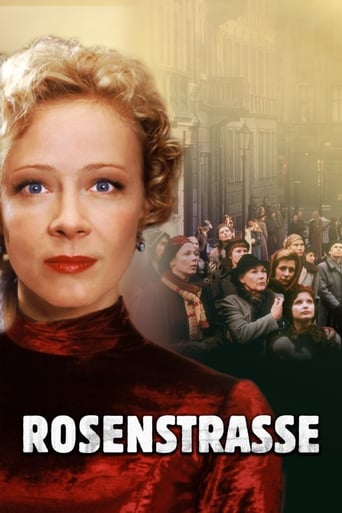
When Ruth's husband dies in New York, in 2000, she imposes strict Jewish mourning, which puzzles her children. A stranger comes to the house - Ruth's cousin - with a picture of Ruth, age 8, in Berlin, with a woman the cousin says helped Ruth escape. Hannah, Ruth's daughter engaged to a gentile, goes to Berlin to find the woman, Lena Fisher, now 90. Posing as a journalist investigating intermarriage, Hannah interviews Lena who tells the story of a week in 1943 when the Jewish husbands of Aryan women were detained in a building on Rosenstrasse. The women gather daily for word of their husbands. The film goes back and forth to tell Ruth and Lena's story. How will it affect Hannah?

Belgrade in 1963. In a yard surrounded by buildings, a group of young people of different backgrounds and social status, but of similar views about love and self-affirmation, spend their time together. Their friendship is dyed with various events typical for socialism, such as working actions or Youth Day's parade. All what happens within this yard may become an allegory of one generation's destiny.