


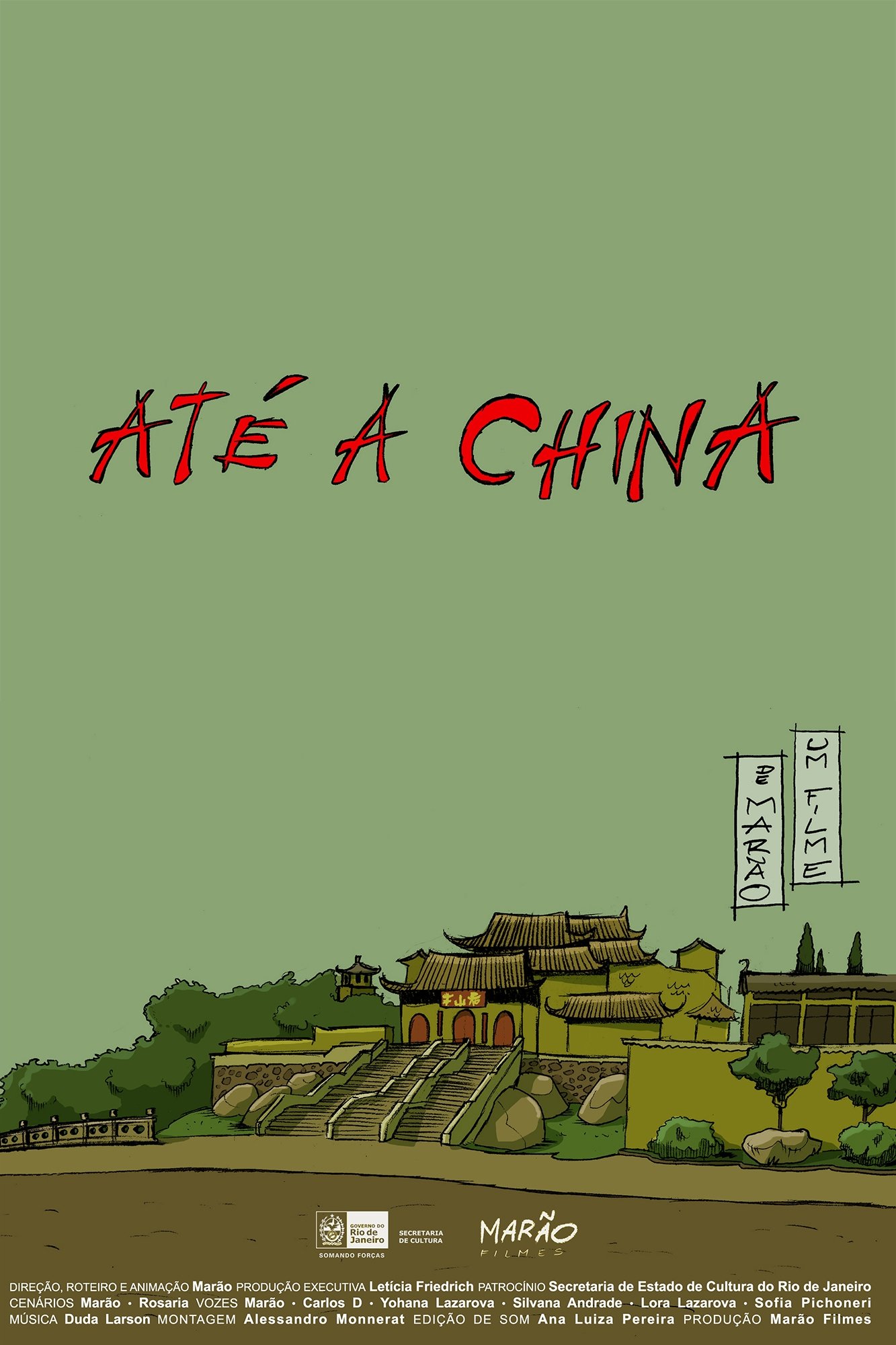
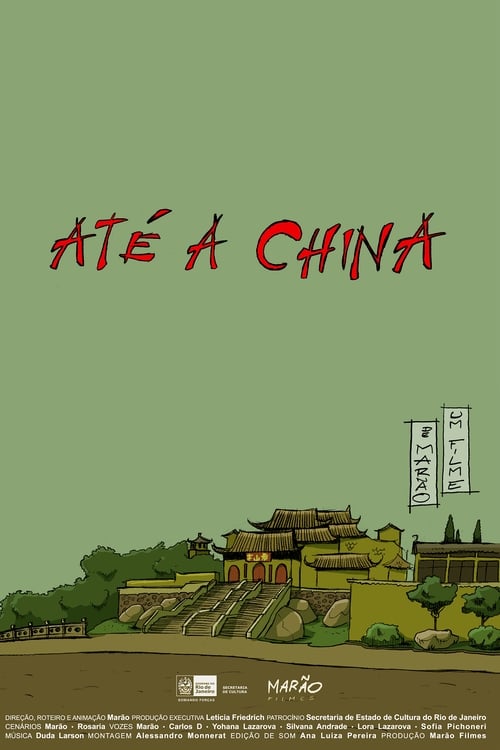
Até a China
Animation · Documentary
Overview
I went to China with hand luggage only. In China, motorcyclists wear the reverse jacket and restaurants serve fish heads, crayfish and eels. The event's employee studies cinema and likes Kung Fu films. I bought vacuum-packed chicken feet.




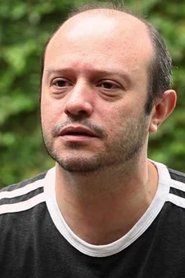
Marão
Marão
Narrador
Marão
Narrador
Silvana Andrade
Silvana Andrade
Voice
Silvana Andrade
Voice
Lora Lazarova
Lora Lazarova
Voice
Lora Lazarova
Voice
Yohana Lazarova
Yohana Lazarova
Voice
Yohana Lazarova
Voice
Similar Movies
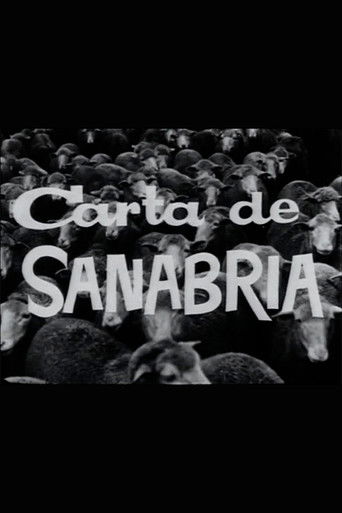
At the end of 1954, Eduardo Ducay, Juan Julio Baena and Carlos Saura travelled to the region of Sanabria (province of Zamora) to make a commissioned documentary on the construction of a system of reservoirs. Much of the filmed material was unusable due to a technical problem, but Ducay rescued part of it and combined it with voice-over to construct a work on absences.

Railroad of Hope consists of interviews and footage collected over three days by Ning Ying of migrant agricultural workers traveling from Sichuan in China's interior, to the Xinjiang Autonomous Region, China's northwest frontier.[1] Through informal interviews aboard the cramped rail cars, Ning Ying explores the hopes and dreams of the workers, many of whom have never left their homes before.
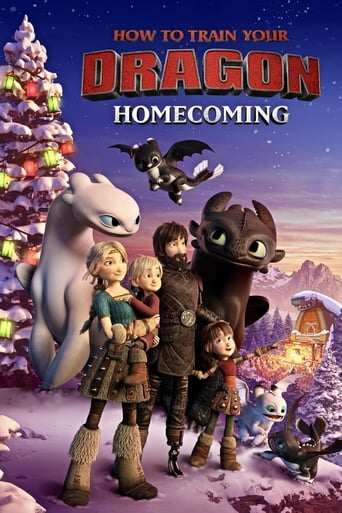
It's been ten years since the dragons moved to the Hidden World, and even though Toothless doesn't live in New Berk anymore, Hiccup continues the holiday traditions he once shared with his best friend. But the Vikings of New Berk were beginning to forget about their friendship with dragons. Hiccup, Astrid, and Gobber know just what to do to keep the dragons in the villagers' hearts. And across the sea, the dragons have a plan of their own...
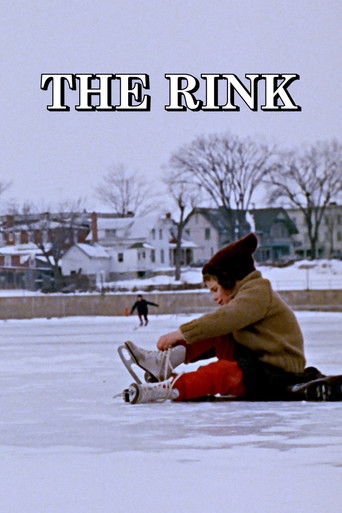
This short, silent film captures a Sunday afternoon at a community skating rink. Iconic Quebec director Gilles Carle has the camera follow toddlers learning to skate, young girls flashing their skates and boys decked out in the colours of their favourite hockey teams. A picture perfect moment on a bright winter's day.
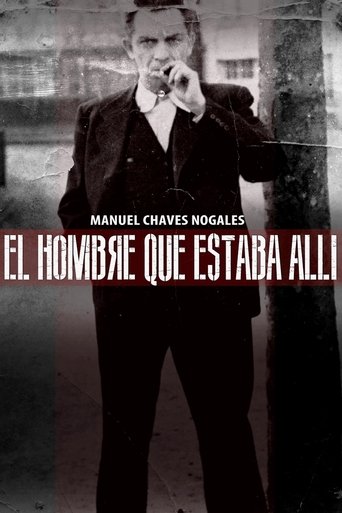
The Spanish journalist Manuel Chaves Nogales (1897-1944) was always there where the news broke out: in the fratricidal Spain of 1936, in Bolshevik Russia, in Fascist Italy, in Nazi Germany, in occupied Paris or in the bombed London of World War II; because his job was to walk, see and tell stories, and thus fight against tyrants, at a time when it was necessary to take sides in order not to be left alone; but he, a man of integrity to the bitter end, never did so.