

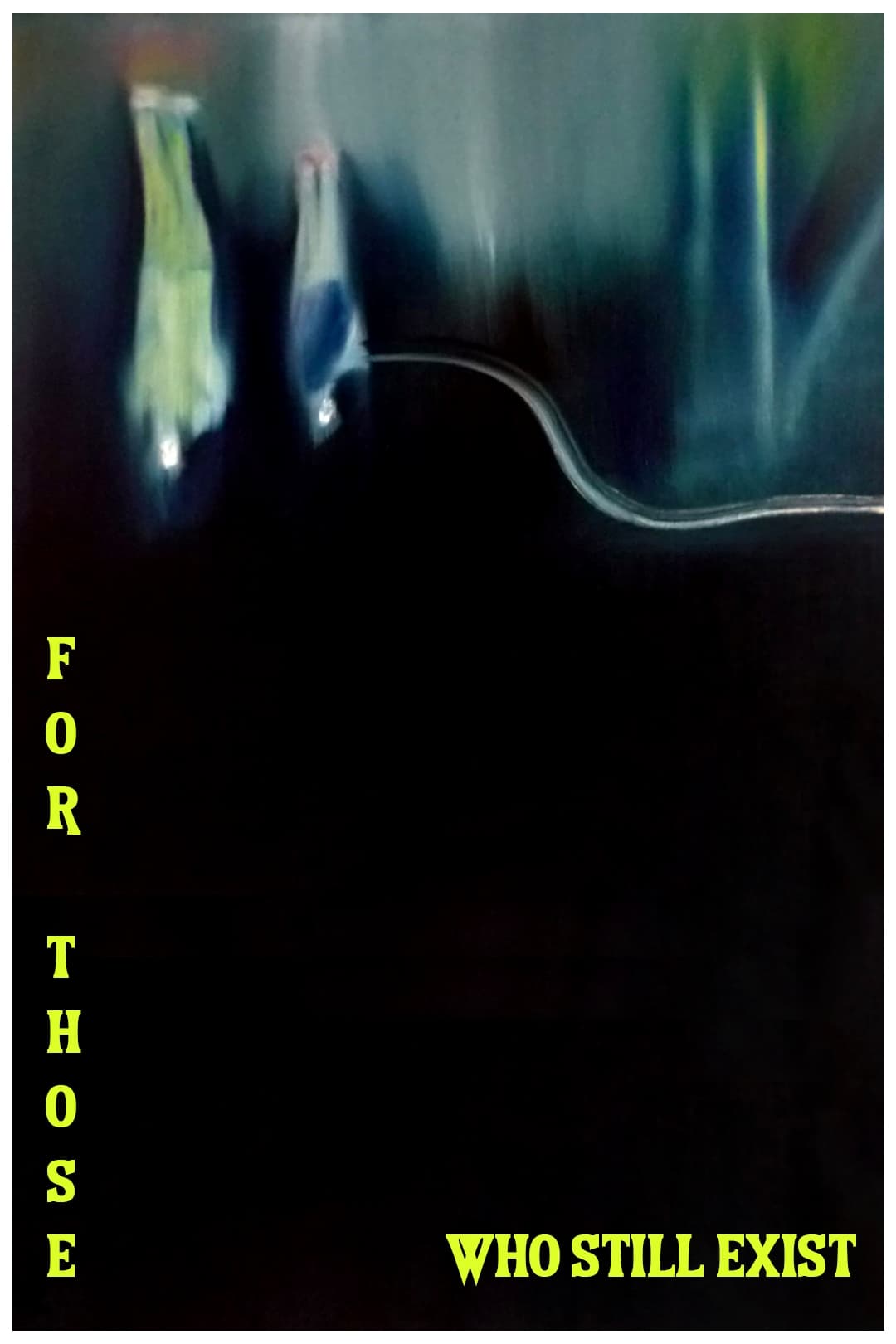
For those who still exist
Mystery · Documentary
Overview
Documentary about twin brothers who go back to their childhood home to discover what happened to a Patrick Lurzing, a boy who disappeared who nobody else seems to remember.
Kevin Kopacka
Kevin Kopacka
Self
Kevin Kopacka
Self
Raoul Kopacka
Raoul Kopacka
Self
Raoul Kopacka
Self
Florian Rasser
Florian Rasser
Self
Florian Rasser
Self
Philipp Müller
Philipp Müller
Self
Philipp Müller
Self
Florian Leeb
Florian Leeb
Self
Florian Leeb
Self
Similar Movies
When teacher Simon arrives in a small, secluded village to take over the local school, he is surprised to discover that his predecessor has disappeared without a trace - and that nobody seems too concerned about it. As Simon probes deeper into the disappearance, the inhabitants of a forbidding estate called "Summerfield" take on more and more significance.
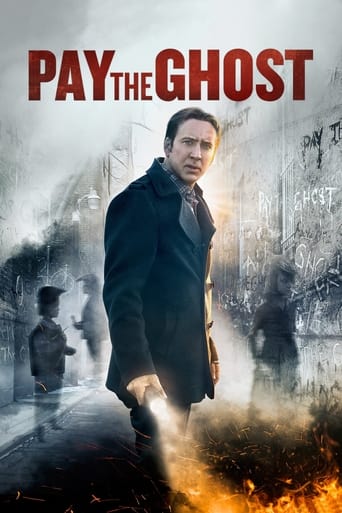
One year after his young son disappeared during a Halloween carnival, Mike Cole is haunted by eerie images and terrifying messages he can’t explain. Together with his estranged wife, he will stop at nothing to unravel the mystery and find their son—and, in doing so, he unearths a legend that refuses to remain buried in the past.
This poetic core in youngsters is also touched in Stanukina's less known Your very personal poetry (Свои, совсем особые стихи, 1982), a wonderful film about a poetry class. It is here that one recalls Kogan's admiration of Lyalya's emotional documentary skills. And it is here that one recalls Kosakovsky's depiction of Lyalya as a person of extraordinarily prosperous feelings, sensitive and energetic, childish and female, shrill and quiet. The young poets are marvellously sneaky, respectfully adoring and creatively playing with - maybe even deconstructing - "Aleksandr Sergeevich", Mr. Pushkin, Russia's exclusive trade mark of high culture and literature.
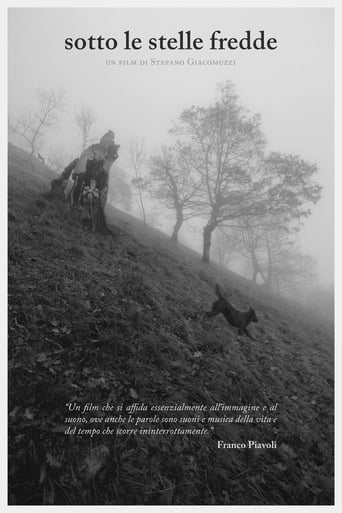
Set in the mountains of northeast Italy, this film may be considered an observational documentary about rural life. Although this is undeniably the case, at the same time Under the cold stars can hardly be considered a documentary: the microcosm on which it focuses appears to be a reflection of a broader reality and perhaps a way to deal with the themes of man’s existence and his relationship with animals, nature and, most importantly, with time. As written by Franco Piavoli "it is a film which essentially relies on images and sound, where words themselves are sound and the music of life, of the relentless flow of time."
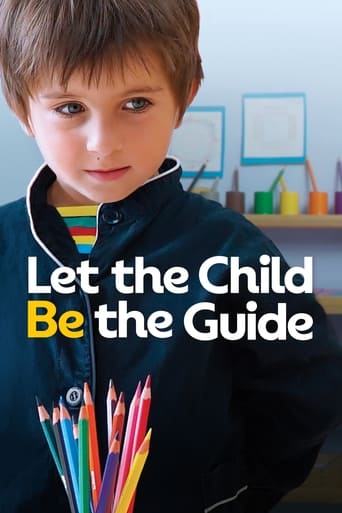
As a young father, watching his daughter go through her life experiences, film director Alexandre Mourot discovered the Montessori approach and decided to set his camera up in a children's house (3 to 6 years of age) in the oldest Montessori school in France. Alexandre was warmly welcomed in a surprisingly calm and peaceful environment, filled with flowers, fruits and Montessori materials. He met happy children, who were free to move about, working alone or in small groups. The teacher remained very discreet. Some children were reading, others were making bread, doing division, laughing or sleeping. The children guided the film director throughout the whole school year, helping him to understand the magic of their autonomy and self-esteem - the seeds of a new society of peace and freedom, which Maria Montessori dedicated her life work to.

On Ironbound Island, native Fiona McKay arrives from Europe with her teenage daughter Clair, hoping that the peace of the island will help the girl get over the death of her boyfriend. The girl finds comfort in the company of a visiting American girl and more so in the stories of Celia, a crazy old local who weaves enchanting tales which cleverly combine her own experiences on the island with mystifying legends.