

The City of Lost Souls
Action · Crime · Drama
Overview
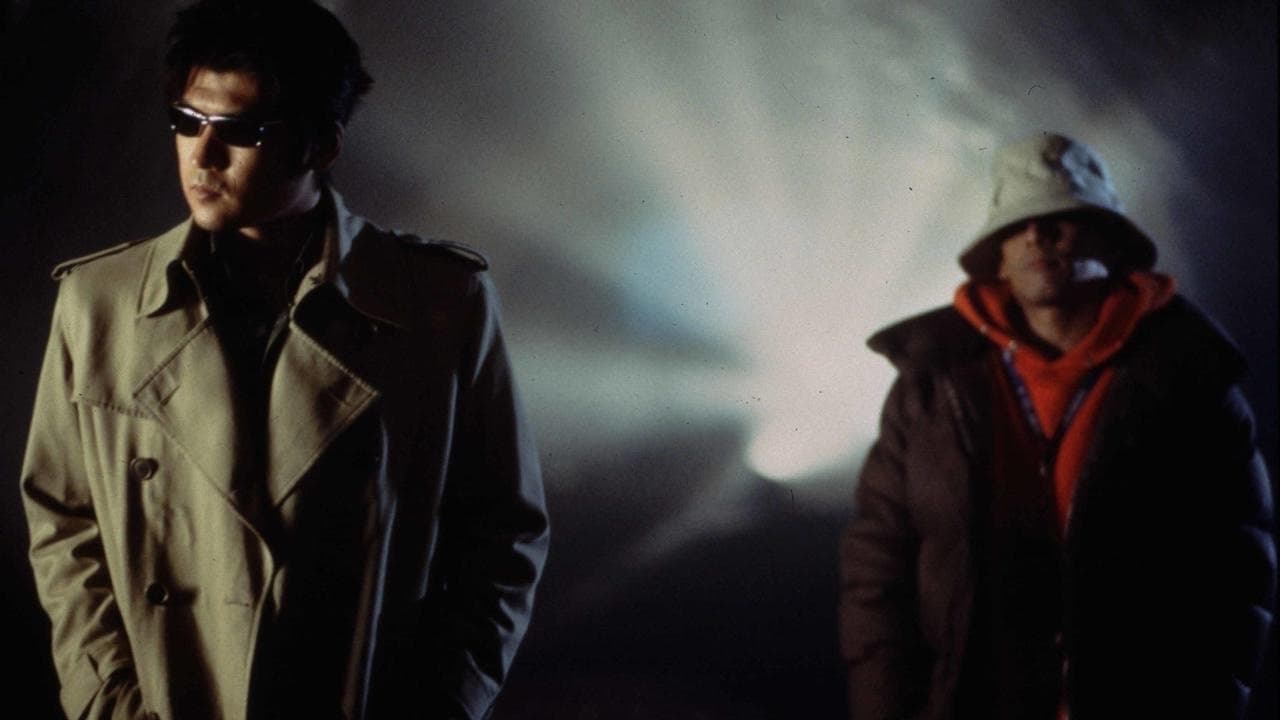
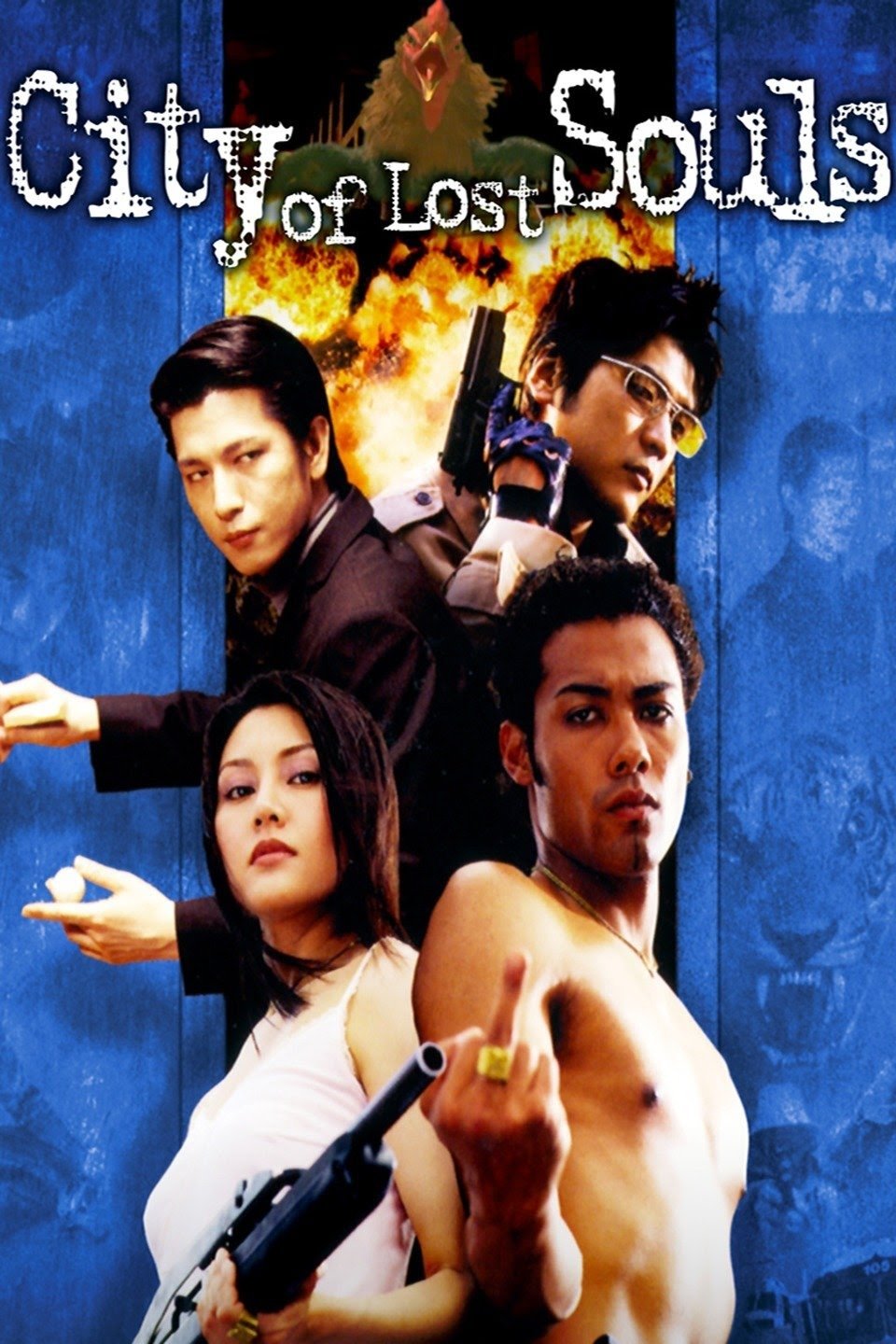
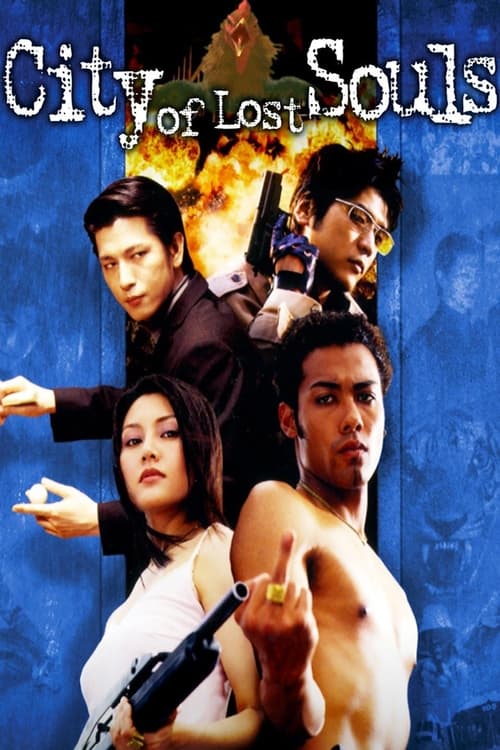
Brazilian-Japanese gangster Mario rescues his Chinese girlfriend Kei as she's about to be deported from Japan. Desperate to escape, he hides in Tokyo's booming Japanese-Portuguese community and seeks passage from the country from a Russian mobster. To meet his price, they hold up a bigtime drug deal between the Chinese Mafia and the local Yakuza.












Teah
Teah
Mario
Teah
Mario

Michele Reis
Michele Reis
Kei
Michele Reis
Kei

Patricia Manterola
Patricia Manterola
Lucia
Patricia Manterola
Lucia

Mitsuhiro Oikawa
Mitsuhiro Oikawa
Ko
Mitsuhiro Oikawa
Ko
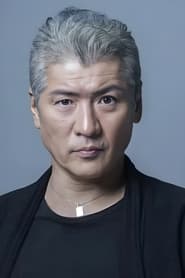
Koji Kikkawa
Koji Kikkawa
Fushimi
Koji Kikkawa
Fushimi

Ren Osugi
Ren Osugi
Okijima Gang Leader
Ren Osugi
Okijima Gang Leader
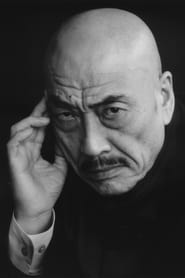
Akaji Maro
Akaji Maro
Okijima Gang Member
Akaji Maro
Okijima Gang Member

Anatoli Krasnov
Anatoli Krasnov
Khodoloskii
Anatoli Krasnov
Khodoloskii
Sebastian DeVicente
Sebastian DeVicente
Rikardo
Sebastian DeVicente
Rikardo

Terence Yin Chi-Wai
Terence Yin Chi-Wai
Riku
Terence Yin Chi-Wai
Riku
Similar Movies
After 20 years of marriage, Ana Lúcia and her husband Fábio decide to get a divorce. Fábio, however, decides to move to an apartment across the street, in front of the window of his former apartment - where Lúcia still lives. Both will have to learn how to deal with job crisis, problems with their daughter and this whole new situation.
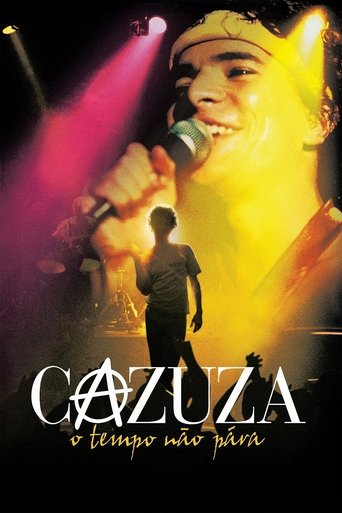
Inspired by the moving book “Só as Mães São Felizes”, by Lucinha Araújo, Cazuza's mother, the film covers a little more than 10 years of the singer’s crazy and brief life – from the beginning of his career in the Circo Voador venue, in 1981, to the huge success and the apotheosis of his shows with the Barão Vermelho band, his solo career, his relations with his parents, friends, lovers and passions, and the courage he had to face his final years, with HIV, until his death, in 1990.
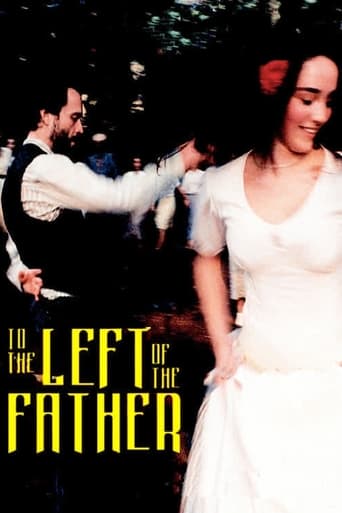
In 1940s São Paulo, Pedro’s tasked to retrieve his estranged brother André. André’s departure stems from a domineering father, an overly affectionate mother, and Pedro’s jealousy over the father’s favoritism. Further complicating matters is André’s unconventional relationship with their sister, Ana.
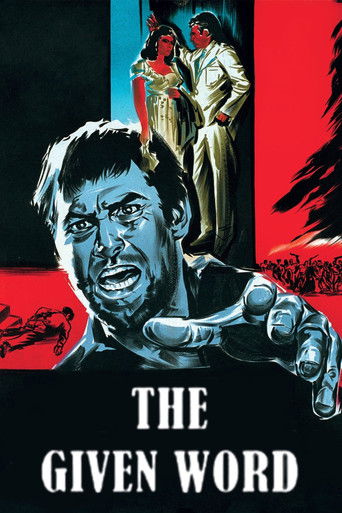
Zé is a very poor man whose most prized possession is his donkey. When his donkey falls terminally ill, Zé makes a promise to Saint Bárbara: If his donkey recovers, he will carry a cross - like Jesus - all the way from his city to Saint Bárbara's church, in the state capital. Upon the recovery of his donkey, Zé leaves on his journey. He makes it to the church, but the priest refuses to accept the cross once he discovers the context of Zé's promise.
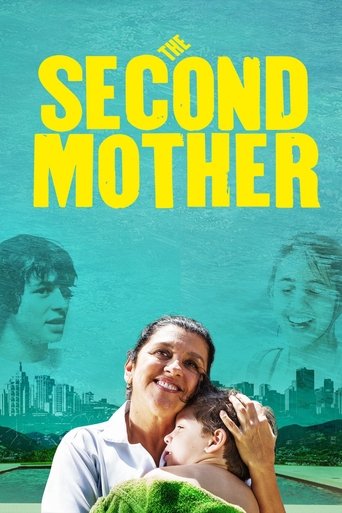
After leaving her daughter Jessica in a small town in Pernambuco to be raised by relatives, Val spends the next 13 years working as a nanny to Fabinho in São Paulo. She has financial stability but has to live with the guilt of having not raised Jessica herself. As Fabinho’s university entrance exams approach, Jessica reappears in her life and seems to want to give her mother a second chance. However, Jessica has not been raised to be a servant and her very existence will turn Val’s routine on its head. With precision and humour, the subtle and powerful forces that keep rigid class structures in place and how the youth may just be the ones to shake it all up.