

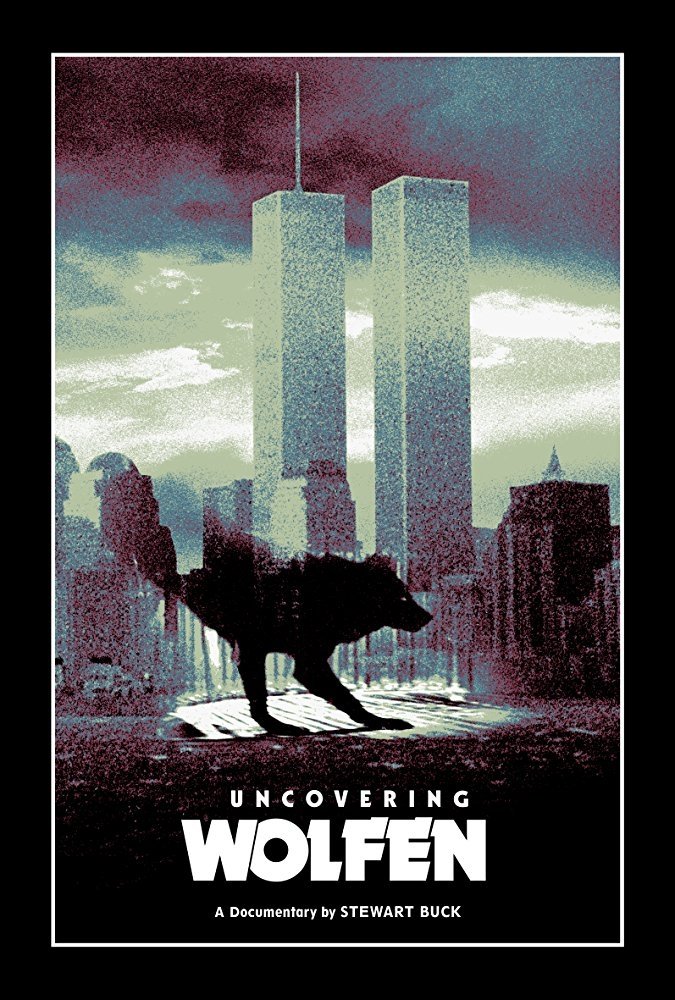
Uncovering Wolfen
Documentary
Overview
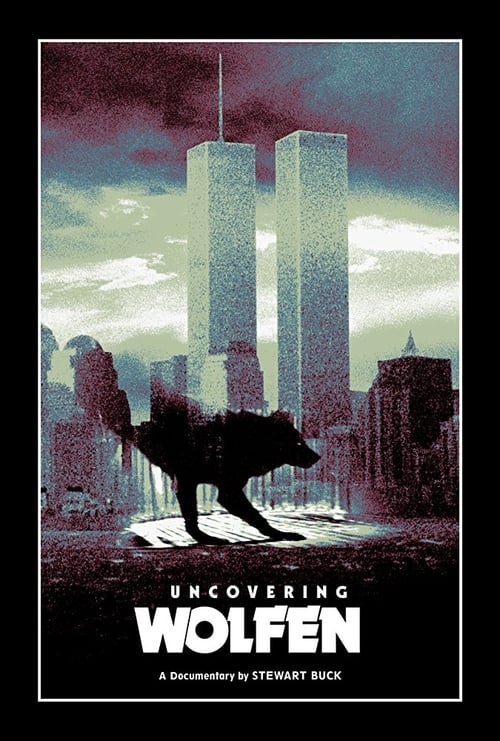
After the huge financial and cultural success of WOODSTOCK (1970), filmmaker and political activist Michael Wadleigh spent many years in Hollywood writing scripts that were never produced. However, WOLFEN (1981), his only other major motion picture, was. After that he would never complete another feature film again. This is the story of that film.
















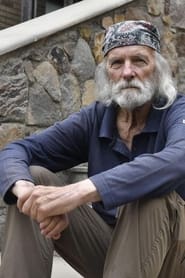
Michael Wadleigh
Michael Wadleigh
Self
Michael Wadleigh
Self
Garrett Brown
Garrett Brown
Self
Garrett Brown
Self
Bob Badami
Bob Badami
Self
Bob Badami
Self
Rupert Hitzig
Rupert Hitzig
Self
Rupert Hitzig
Self
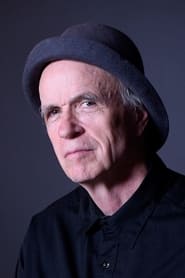
Tom Noonan
Tom Noonan
Self
Tom Noonan
Self

Richard Stanley
Richard Stanley
Self
Richard Stanley
Self
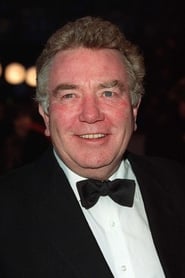
Albert Finney
Albert Finney
Self (archive footage)
Albert Finney
Self (archive footage)

Diane Venora
Diane Venora
Self
Diane Venora
Self

Ronald Reagan
Ronald Reagan
Self (archive footage)
Ronald Reagan
Self (archive footage)

Gregory Hines
Gregory Hines
Self (archive footage)
Gregory Hines
Self (archive footage)
Similar Movies
A vast, snow-covered forest, untouched by human presence. Two men cross it, bags on their backs, cross a frozen river and finally arrive at the peatland, a vast white expanse. For years, Yves the painter and Olivier the photographer, have traveled the world, meeting wildlife from one pole to the other, privileged and concerned witnesses to the fragile beauty of the planet. But the two men share a common dream: to see a wolf pack live, grow, and spread out. One day, their search leads them to a hideout in no-man's-land between Iceland and Russia, a place conducive to a different temporality. The wait begins. Over the seasons, they will stand there in these eight square meters of wood, silent amid an unchanging scenery, until they gradually become part of the “picture” and immerse themselves in the life of the wolves. A motionless adventure...
In 1971, to get breathing room from tax and management problems, the Stones go to France. Jimmy Miller parks a recording truck next to Keith Richards and Anita Pallenberg's Blue Coast villa, and by June the band is in the basement a few days at a time. Upstairs, heroin, bourbon, and visitors are everywhere. The Stones, other musicians and crew, Pallenberg, and photographer Dominique Tarle, plus old clips and photos and contemporary footage, provide commentary on the album's haphazard construction. By September, the villa is empty; Richards and Jagger complete production in LA. "Exile on Main Street" is released to mediocre reviews that soon give way to lionization.
Lot Lizard is a feature documentary about truck stop sex workers in America. There are three million truck drivers and thousands of truck stops throughout the United States. Many of them are frequented by sex workers who truck drivers refer to as lot lizards. The film follows Jennifer, a recovering sex worker who is trying to get her life back on track, Bobby, a man struggling to come to grips with his girlfriend's livelihood, and Betty, an aging sex worker who makes no apologies for her lifestyle. These intimate portraits hint at a broader story about America, how it deals with its 'derelicts,' and how we are implicated as consumers.
Goodbye Tornio is a vivid depiction of being young, fearlessly following your dreams and figuring things out on your own as you go. Eighteen-year-old Vilma celebrates her graduation from high school, with toasts from loving parents and parties with best friends, before leaving her hometown in Lapland and moving to the big city.
The film follows three renowned vocal coaches and their students during private lessons. As the pupils prepare for their upcoming final evaluations, perfect technique is expected to produce impeccable results. Listening primarily to their voices, we feel intensity and intimacy arise between teachers and students – an atmosphere in which transcendence is being built.
From the Three Great Wars to the founding of New China, from starting from scratch, to China's entry into the world's second largest economy. Looking back over the past seventy years. Relying on 500,000 minutes of precious documentary images, the original sound, and the meticulous ingenuity to build a time-space corridor to the history
For the first time in its history, Finland became an autonomous state when it broke away from a crumbling Russian empire in 1917. Witnessing the upheaval of the First World War and all too aware of the threat posed both outside and within its borders, the newly installed government initiated harsh and draconian policies for its younger generation. All children and youths were drilled in the importance of discipline, rectitude and nationalism. With no exceptions.
In a few years, technology will merge with our bodies in ways that today seem unimaginable, and will redefine the limits of what is a human being. There are already people who, driven by the desire to experiment, have crossed the biological limits by introducing electronic devices that provide them with capabilities that go beyond what is "normal." They are the first hybrids, and they face the reaction of society, which goes from malignancy to enthusiasm. Today they are only a small minority, and many people consider them as disrupted experimenters, but in the near future we may recognize them as pioneers.
Born on March 25, 1840, Gustave Guillaumet discovered Algeria by chance when he was about to embark for Italy. Over the course of his ten or eleven trips and extended stays, he established a familiarity with this space. Traveling through the different regions from north to south, he never ceases to note the differences. He is also the first artist, apart from Delacroix's Women of Algiers, to penetrate into female interiors and reveal the reality, far removed from the harem fantasies that reigned in his time. Fascinated by the country, its deserts and its inhabitants , going so far as to live like the Algerians, Gustave Guillaumet devoted his life and his painting to this country, breaking with the colorful and exotic representations of the time. The painting The Famine in Algeria, restored thanks to exceptional fundraising, was dictated by the events of the years 1865-1868, and well illustrates his knowledge of the country, in a manner that is at once demanding, sensitive and serious.