

Serengeti: Nature's Greatest Journey
Documentary
Overview
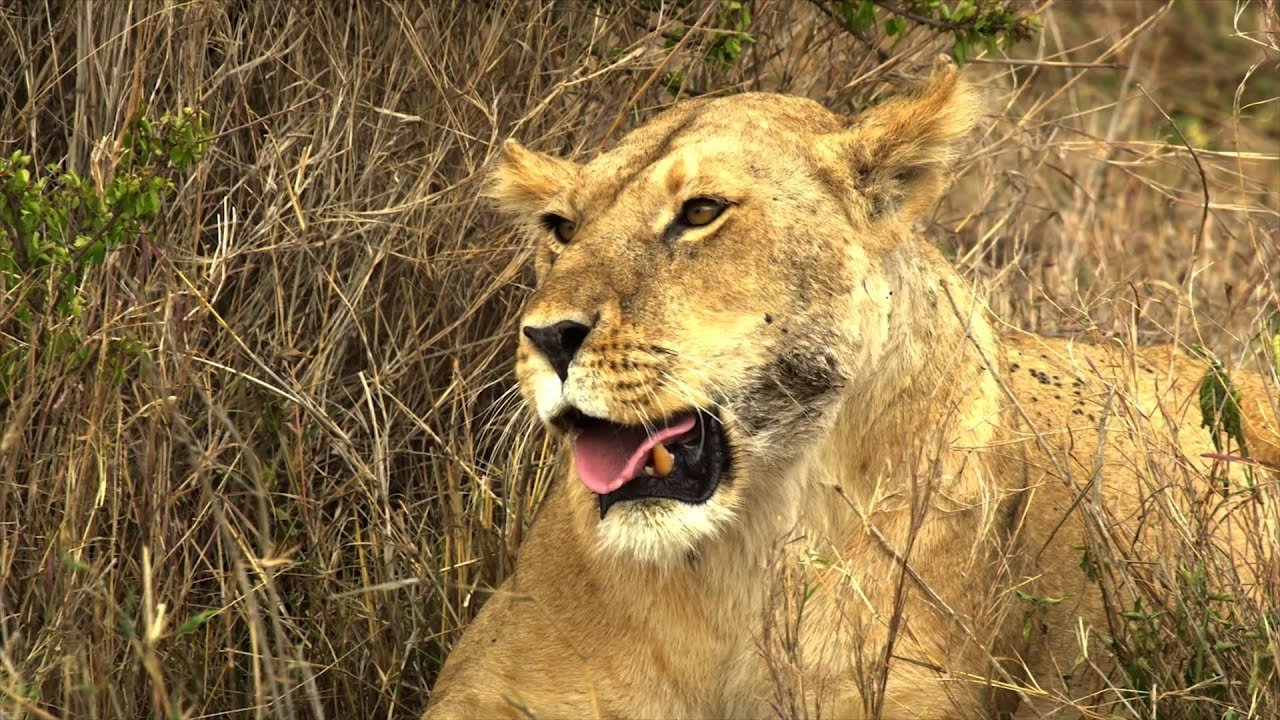
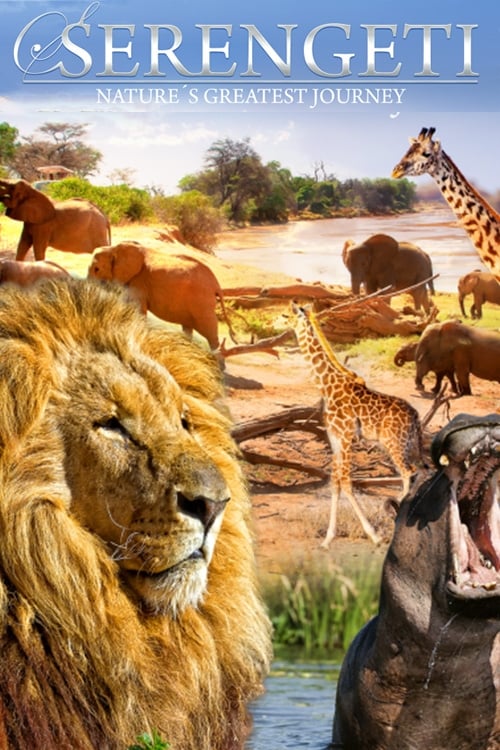
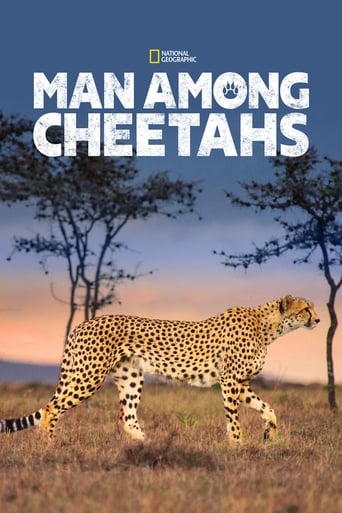
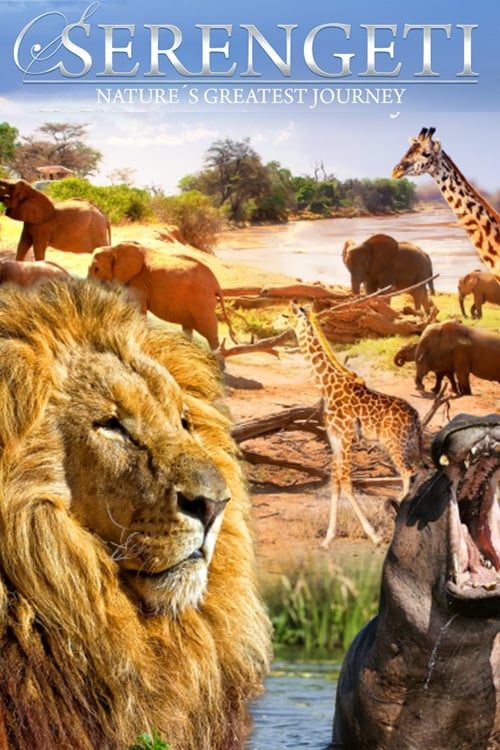
The Serengeti's fight over life and death is between predator and prey. The omnipresence of grazing animals means abundant kills for prides of golden-maned lions. Solitary leopards haunt the acacia trees lining the Seronera River, while numerous cheetahs scour the southeastern plains. Almost nowhere else in Africa can all of the continent s jackal species be found in the same place. The immensity of this animal drama is equaled by the liberating vastness of open space so characteristic of the Serengeti Plains, which extend out from sun-baked savannas to shimmering golden horizons that seem to lie at the end of the earth.






No cast information.
Similar Movies
For decades, animal rights activist and filmmaker Karl Ammann has been documenting the illegal wildlife trade. In the company of director Laurin Merz, this investigative journey takes us to Namibia, where 22 elephants are captured and then airlifted in a cargo plane to zoos in the United Arab Emirates.
Love them or hate them, there are 33,000 urban foxes roaming Britain's suburbia. For the residents of the Copse in Sutton-in-Ashfield, Nottinghamshire - as for so many other suburbanites - the urban fox provides evenings of enchantment. A cul-de-sac of neighbours compete to offer the tastiest snacks for their bushy-tailed visitors, with one couple even setting up their own CCTV system to provide happy evenings of Fox TV.
Earth teems with a staggering variety of animals, including 9,000 kinds of birds, 28,000 types of fish, and more than 350,000 species of beetles. What explains this explosion of living creatures—1.4 million different species discovered so far, with perhaps another 50 million to go? The source of life's endless forms was a profound mystery until Charles Darwin brought forth his revolutionary idea of natural selection. But Darwin's radical insights raised as many questions as they answered. What actually drives evolution and turns one species into another? To what degree do different animals rely on the same genetic toolkit? And how did we evolve?
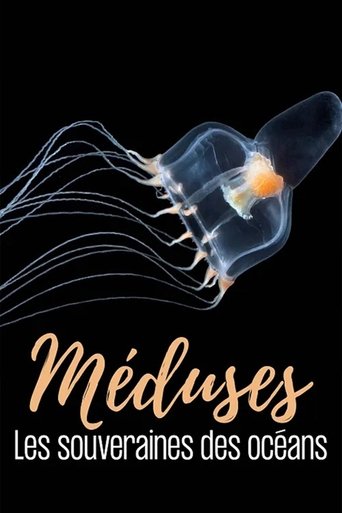
Jellyfish blooms are making headlines around the world. This is due to the damage they cause to tourism, fishing and our health. How can these creatures, which are over 98% water and have no shell, skeleton or brain, expand so rapidly? Although this is a normal stage in the life cycle of these gelatinous animals, we have to admit that blooms have become much more frequent and massive in recent decades. We're even witnessing jellyfish populations appearing in more and more regions where fish have been replaced by them, such as off the coast of Namibia, in the Black Sea, in the Sea of Japan and in certain areas of the Baltic Sea. What causes this? Why has the role of jellyfish in the ocean been underestimated, even though they outlived the dinosaurs? Are jellyfish on their way to dominating the oceans as they once did? What if they were to be the only ones left?
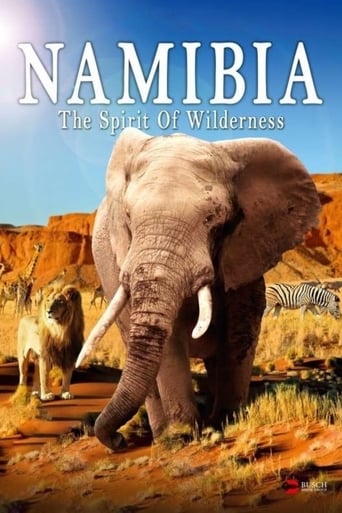
With more than 300 days a year, the sun dominates this country so much that it’s even shining from their flag. It’s a barren land, sometimes it’s like it’s from another planet but still familiar. It is land of contrasts and colours with wide landscapes and fascinating deserts. Influenced by various cultures during colonization and now reborn from the shadows of Apartheid in 1990, Namibia gives a beautiful collage of culture, language, art, music and food. Everyone who loves an adventure should travel to Namibia, the precious corner of our world full of incredible natural wonders. The experience of endless landscapes and an unparalleled blaze of colour make Namibia unforgettable. NAMIBIA – THE SPIRIT OF WILDERNESS invites you on a trip whose fascination will never let you go: From the Namib Desert over the breath-taking Fish River Canyon to the spectacular Etosha National Park where you will see wild elephants, antelopes, giraffes, zebras and lions.