


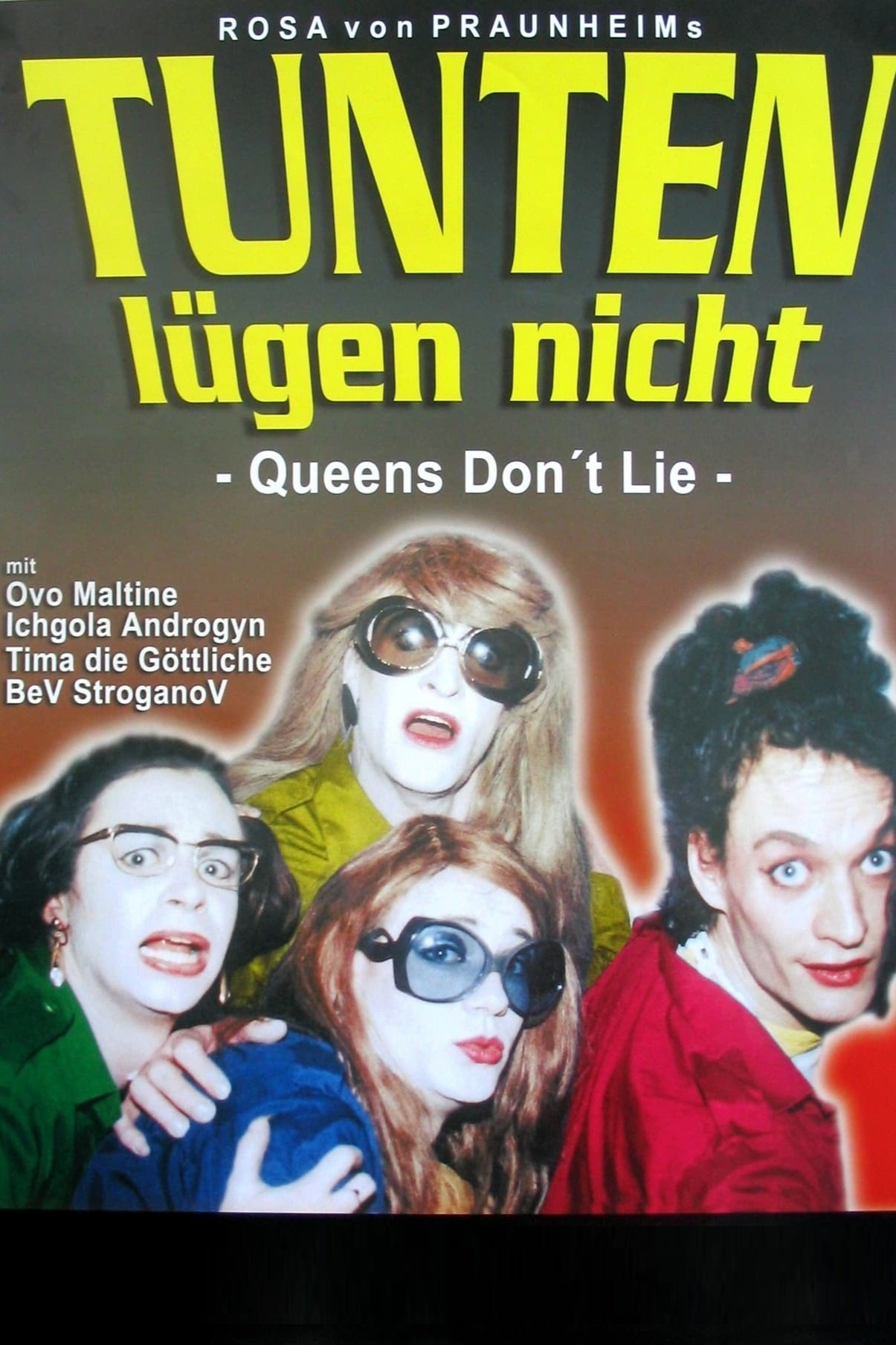
Queens Don’t Cry
Documentary
Overview
Bosom buddies BeV StroganoV, Ovo Maltine, Ichgola Androgyn and Tima die Göttliche are four Berlin drag queens who met in the mid 1980s. These four queens became Germany’s most popular drag performers and have been busy fertilizing the German cultural scene. Besides being performers, they are also political activists – in AIDS awareness, anti-gay violence, the sex workers movement and the struggle against the extreme right and racism. The film tells their story.
Top Cast




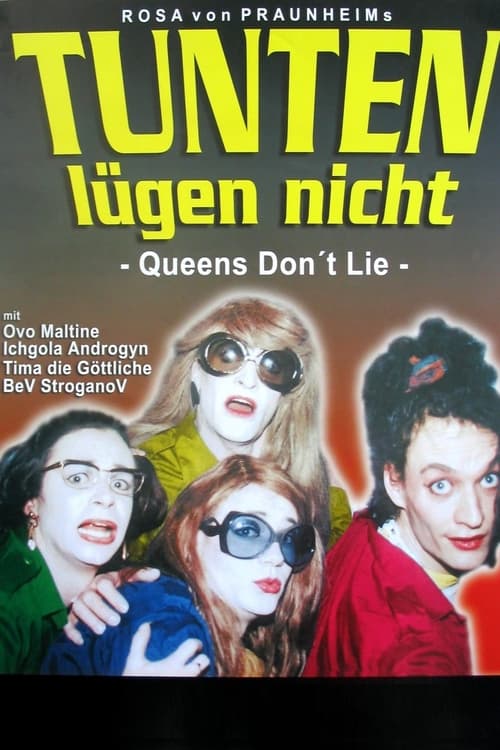
BeV StroganoV
BeV StroganoV
BeV StroganoV
Ichgola Androgyn
Ichgola Androgyn
Ichgola Androgyn
Ovo Maltine
Ovo Maltine
Ovo Maltine
Tima die Göttliche
Tima die Göttliche
Tima die Göttliche
Similar Movies
24 hours at the Berlin traffic accident standby service. The frequency of accidents on the streets of the capital of the German Democratic Republic (GDR) becomes apparent, including inappropriate and increased speed, pedestrian errors, failure to give way and driving under the influence of alcohol. Major Busse, the head of the Berlin Traffic Accident Investigation Unit, raises the question of whether the GDR has developed its own kind of driving. The camera provides interesting insights into the carelessness and aggressiveness of road users, which can lead to serious injuries and deaths
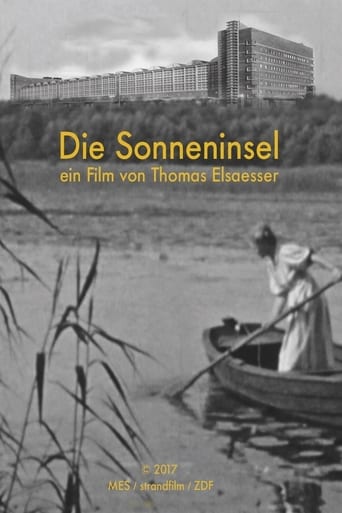
A documentary essay film about coincidences, shattered lives and posthumous fame. A found footage family film about love and passion, friendship and heartbreak in Berlin between the wars. But a film also about self-sufficiency and recycling, about the green movement and the environment – before these notions had yet been properly invented. And it touches the utopian potential of ideas that have lain buried in the ground of an island for the past 70 years. The film’s protagonist, Martin Elsaesser, was one of the most prominent modernist architects of Weimar Germany.

In the 1960s, a white couple living in East Germany tells their dark-skinned child that her skin color is merely a coincidence. As a teenager, she accidentally discovers the truth. Years before, a group of African men came to study in a village nearby. Sigrid, an East German woman, fell in love with Lucien from Togo and became pregnant. But she was already married to Armin. The child is Togolese-East German filmmaker Ines Johnson-Spain. In interviews with Armin and others from her childhood years, she tracks the astonishing strategies of denial her parents, striving for normality, developed following her birth. What sounds like fieldwork about social dislocation becomes an autobiographical essay film and a reflection on themes such as identity, social norms and family ties, viewed from a very personal perspective.
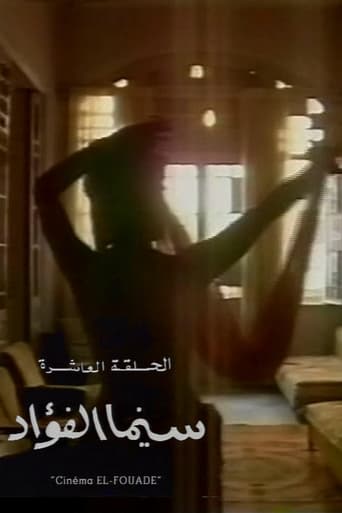
Cinema Fouad is a documentary portrait of Khaled El Kurdi, a Syrian trans woman living in Beirut, where she earns a living as a domestic worker and belly dancer. Soueid shows us scenes of El Kurdi’s domestic world: eating, applying make-up, dancing in her bedroom, all while reflecting on her life and experiences. She expresses her desire to undergo gender reassignment surgery, and mourns the death of her lover, a Palestinian freedom fighter. She often alludes to the aggressions she faces outside of her home, and through her adept defiance in the face of some of Soueid’s more goading questions, we recognize the echoing of these aggressions in his role as interviewer.

The rags to riches story of Sophie Tucker, an iconic superstar who ruled the worlds of vaudeville, Broadway, radio, television, and Hollywood throughout the 20th century. Before Beyoncé, Lady Gaga, Madonna, Bette Midler, Marilyn Monroe, and Mae West, Sophie Tucker was the first woman to infatuate her audiences with a bold, bawdy and brassy style unlike any other. Using all of "The Last of the Red Hot Mamas" 400-plus recently rediscovered personal scrapbooks, authors Susan and Lloyd Ecker take you on their seven-year journey retracing Tucker's sixty-year career in show business.`
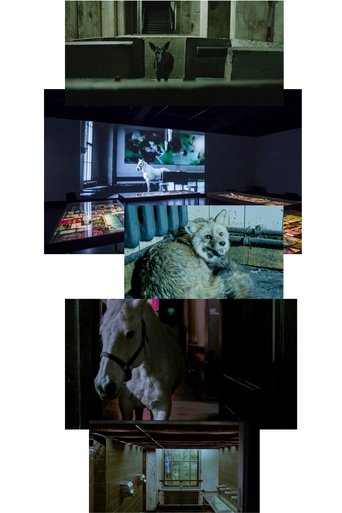
Something strange and unpredictable takes inthe mysteriously vacant rooms of Berlin’s infamous Techno club Berghain. A group of wild animals occupy the monumental spaces of the former power station. We explore the building together with the animals and experience its dimensions from a new, nonhuman perspective. The brutality of the industrial architecture is confronted with the beauty of these shy creatures.
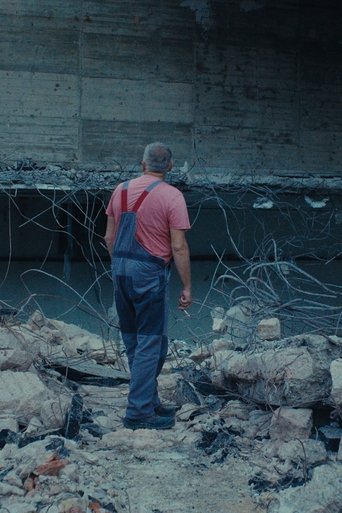
A Berlin street corner is slowly changing: an aging supermarket turns into a construction site and finally a new building. People restock shelves, demolish walls, take breaks and count money. Those who work here participate in the making and unmaking of the place. How does it shape the conditions of their labor? Between supermarket aisles, construction scaffolding and exposed concrete, different versions begin to overlap. Repetitions appear like echoes between worlds, both playful and eerie.