

Crude Impact
Documentary
Overview
CRUDE IMPACT is a powerful and timely story that explores the interconnection between human domination of the planet and the discovery and use of oil. This documentary film exposes our deep rooted dependency on the availability of fossil fuel energy and examines the future implications of peak oil the point in time when the amount of petroleum worldwide begins a steady, inexorable decline.
No cast information.
Similar Movies
Basil Gelpke and Ray McCormack's nonfiction treatise Crude Awakening joins Maxed Out, An Inconvenient Truth, and other recent documentaries devoted to unearthing and exploring forces that are untying the connective threads of contemporary society. The subject at hand is crude oil - specifically, the depletion of petroleum from the Earth, in an era when consumption threatens to exceed supply.
Stand-up comedian Robert Newman gets to grips with the wars and politics of the last hundred years, from WWI through to the 2003 invasion of Iraq; but rather than adhering to the history we were fed at school, this show places oil centre stage as the cause of all commotion. This innovative history programme is based around Robert Newman's stand-up act and supported by resourceful archive sequences and stills with satirical impersonations of historical figures from Mayan priests to Archduke Ferdinand.
With unprecedented access to the nuclear industry in France, Russia, and the United States, Nuclear Now explores the possibility for the global community to overcome the challenges of climate change and energy poverty to reach a brighter future through the power of nuclear energy. Beneath our feet, Uranium atoms in the Earth’s crust hold incredibly concentrated energy. Science unlocked this energy in the mid-20th century, first for bombs and then to power submarines. The United States led the effort to generate electricity from this new source. Yet in the mid-20th century as societies began the transition to nuclear power and away from fossil fuels, a long-term PR campaign to scare the public began, funded in part by coal and oil interests.
America is addicted to oil. President George Bush said so… and now that phrase is echoed everywhere. But are we really “addicted”? Our daily lives are dripping in oil. It’s in virtually everything we use and fuels everything we do. To be sure, it is something to worry about. Are we going to run out? Aren’t we fighting wars for oil? But, if we do slow the flow, how will that change the way we live? When it comes to what we’re told about oil, there’s rhetoric and then there’s reality. Who can we believe? The media? Politicians? Environmental activists? You’d be surprised. For nearly ten years, journalist turned media analyst MARK MATHIS has studied our use of oil. And what he found shocked him so thoroughly that he made a movie about the misinformation, distortions and even outright lies about oil. We do have an “oil problem” in America (and the world), but it’s not what you’ve been told. So, it’s time to Fill Up on Truth… for a change.

The village of Tamaquito lies deep in the forests of Colombia. Here, nature provides the people with everything they need. But the Wayúu community's way of life is being destroyed by the vast and rapidly growing El Cerrejón coal mine. Determined to save his community from forced resettlement, the leader Jairo Fuentes negotiates with the mine's operators, which soon becomes a fight to survive.
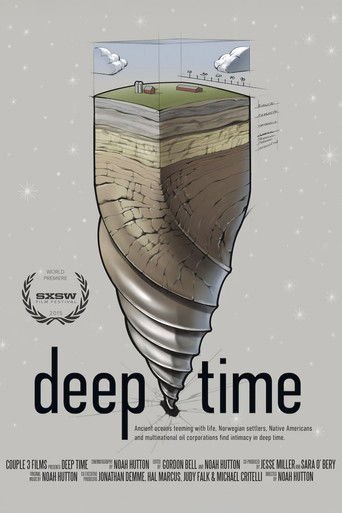
Director Noah Hutton returns to the same landowners, state officials, and oil workers he captured at the beginning of the Bakken oil boom six years ago in his 2009 debut documentary feature Crude Independence. A new focus on the relationship of the indigenous peoples of North Dakota to their surging fossil wealth casts the ongoing boom in the context of paleo-cycles, climate change, and the dark ecology of the future.
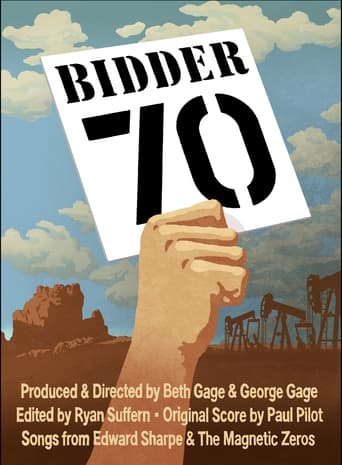
Bidder 70 centers on an extraordinary, ingenious and effective act of civil disobedience demanding government and industry accountability. In 2008, University of Utah economics student Tim DeChristopher committed an act which would redefine patriotism in our time, igniting a spirit of civil disobedience in the name of climate justice.

What happens to two dying coal towns in British Columbia when an American corporation provides a contract for millions of tons of coking coal? The film follows the consequences for the towns of Natal and Michel, suggesting that industrial growth has its price, especially with regard to the environment.
It’s simple math: we can burn less than 565 more gigatons of carbon dioxide and stay below 2°C of warming — anything more than that risks catastrophe for life on earth. The only problem? Fossil fuel corporations now have 2,795 gigatons in their reserves, five times the safe amount. And they’re planning to burn it all — unless we rise up to stop them.