


Drama
Overview
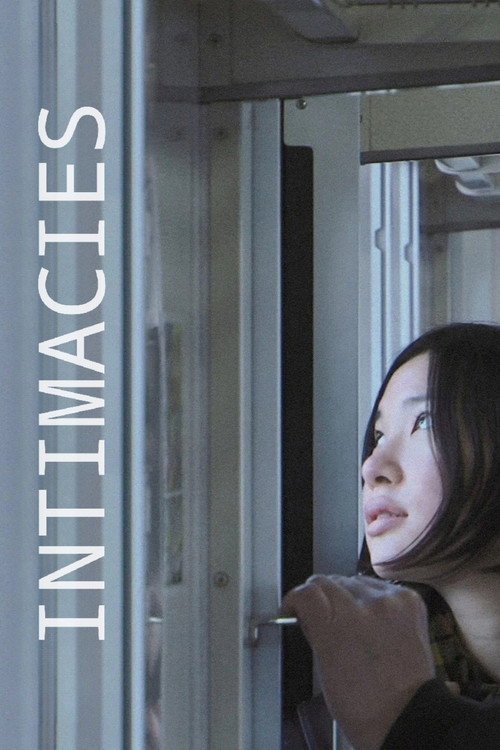
Hamaguchi wrote and directed this film as a graduation project for the students at ENBU Seminar (film and theater school in Tokyo) when he taught there. It is a three-part film: The first part is a documentary-style production of a play; Then the actual full stage production of the play; and the epilogue. Poetry and written words play the central role in the movie.
Top Cast

Rei Hirano
Reiko
Ryo Sato
Ryouhei / Mamoru Noguchi
Mikio Tayama
Kunio Miki

Ayako Ito
Ito Bun / Kayoko Kanamori
Akihisa Sugai
Akira Nishijima / Noboru Komiyama
Takuma Watanabe
Hidenori Watanabe / Clerk 2
Kanako Tezuka
Urara Tezuka / Yukie Noguchi
Toru Arai
Taro Nakamura / Shinnosuke Tada
Aki Katori
Akiko Katori / Etsuko Shiomi
Rinpuku Tsuchiya
Kensuke Hayashi / Clerk 1

Ryo Sato
Ryohei



Rei Hirano
Rei Hirano
Reiko
Rei Hirano
Reiko
Ryo Sato
Ryo Sato
Ryouhei / Mamoru Noguchi
Ryo Sato
Ryouhei / Mamoru Noguchi
Mikio Tayama
Mikio Tayama
Kunio Miki
Mikio Tayama
Kunio Miki
Ayako Ito
Ayako Ito
Ito Bun / Kayoko Kanamori
Ayako Ito
Ito Bun / Kayoko Kanamori
Akihisa Sugai
Akihisa Sugai
Akira Nishijima / Noboru Komiyama
Akihisa Sugai
Akira Nishijima / Noboru Komiyama
Takuma Watanabe
Takuma Watanabe
Hidenori Watanabe / Clerk 2
Takuma Watanabe
Hidenori Watanabe / Clerk 2
Kanako Tezuka
Kanako Tezuka
Urara Tezuka / Yukie Noguchi
Kanako Tezuka
Urara Tezuka / Yukie Noguchi
Toru Arai
Toru Arai
Taro Nakamura / Shinnosuke Tada
Toru Arai
Taro Nakamura / Shinnosuke Tada
Aki Katori
Aki Katori
Akiko Katori / Etsuko Shiomi
Aki Katori
Akiko Katori / Etsuko Shiomi
Rinpuku Tsuchiya
Rinpuku Tsuchiya
Kensuke Hayashi / Clerk 1
Rinpuku Tsuchiya
Kensuke Hayashi / Clerk 1
Similar Movies
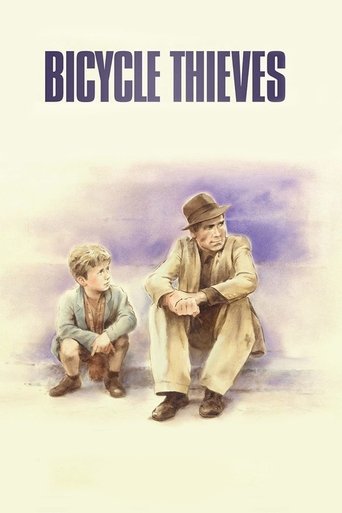
Unemployed Antonio is elated when he finally finds work hanging posters around war-torn Rome. However on his first day, his bicycle—essential to his work—gets stolen. His job is doomed unless he can find the thief. With the help of his son, Antonio combs the city, becoming desperate for justice.
Amol, a child, is confined to his adoptive uncle's home by an incurable disease. He stands in the courtyard and talks to passers-by and inquires about the places they go to. The construction of a new post office nearby prompts the imaginative Amol to fantasise about receiving a letter from the King or being his postman.
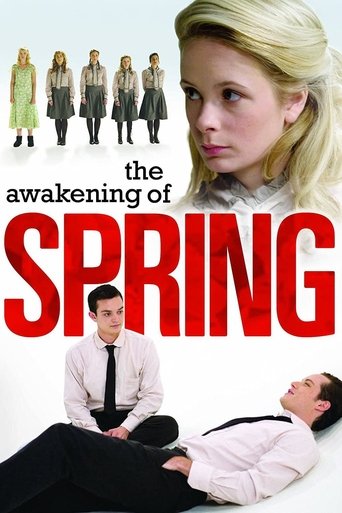
Based on the 1891 play "Spring Awakening," this filmed stage drama examines the tensions and confusion of young people as their growing sexual awareness conflicts with the repressive social environment around them. The passionate kiss between two males might be the first envisioned for the stage since Christopher Marlowe's between Edward II and Gaveston.
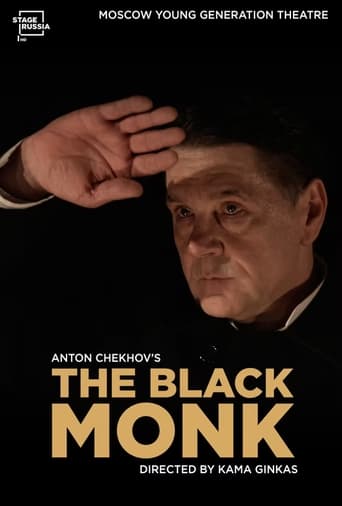
Based on the short story by Anton Chekhov, Kama Ginkas’ astounding reimagining highlights and builds off of the Chekhovian tension between the beauty of life and the tragedy of how it is lived. The story tells the the tale of philosophy student Andrey Vasil'ich Kovrin. On the verge of a nervous breakdown, Kovrin decides to visit his childhood friend Tanya Pesotsky at the estate of her father. As he and Tanya develop a relationship and eventually marry, a black monk of legend begins appearing to Kovrin in visions. Though these hallucinations at first imbue the young man with joy and energy, they eventually lead to his ruin.