

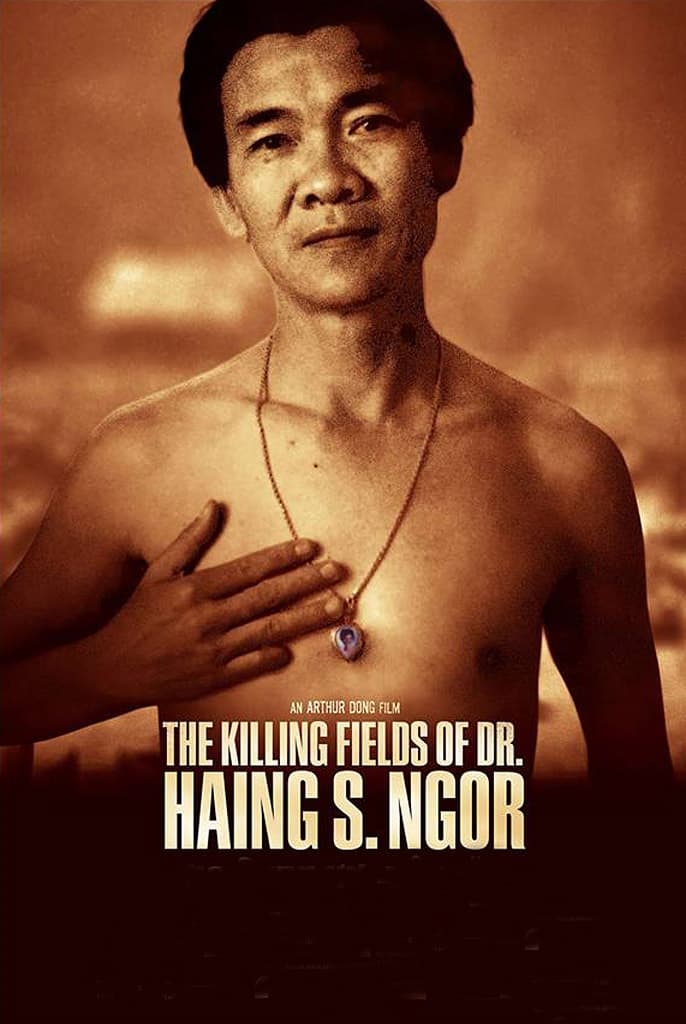
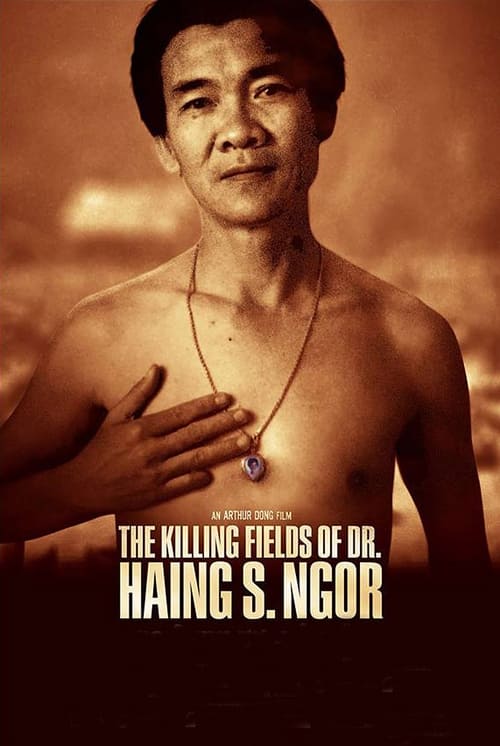
The Killing Fields of Dr. Haing S. Ngor
Documentary
Overview
When Dr. Haing S. Ngor was forced into labor camps by the Khmer Rouge, little did he know he would escape years of torture and recreate his experiences in a film that would win him an Academy Award®. "The Killing Fields of Dr. Haing S. Ngor" tells the dramatic story about arguably the most recognizable survivor of the Cambodian genocide, a man who became a worldwide ambassador for justice in his homeland, only to be murdered in a Los Angeles Chinatown alley - a case still muddled with conspiracy theories. Through an inspired blend of original animation and rare archival material - anchored by Ngor's richly layered autobiography - the years encapsulating the Khmer Rouge's tyrannical rule over Cambodia are experienced though a politically charged transnational journey of loss and reconciliation.


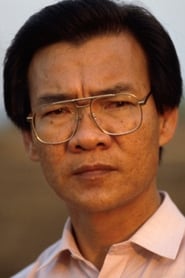
Haing S. Ngor
Haing S. Ngor
Self (archive footage)
Haing S. Ngor
Self (archive footage)
Wayne Ngor
Wayne Ngor
Dr. Haing S. Ngor (voice)
Wayne Ngor
Dr. Haing S. Ngor (voice)

Jack Ong
Jack Ong
Self (archive footage)
Jack Ong
Self (archive footage)
Jonathan Nitasneak Dok
Jonathan Nitasneak Dok
Khmer Rouge cadre (voice)
Jonathan Nitasneak Dok
Khmer Rouge cadre (voice)
Sophia Ngor Demetri
Sophia Ngor Demetri
Self
Sophia Ngor Demetri
Self
Luan Um Nhean
Luan Um Nhean
Khmer Rouge cadre (voice)
Luan Um Nhean
Khmer Rouge cadre (voice)
Similar Movies
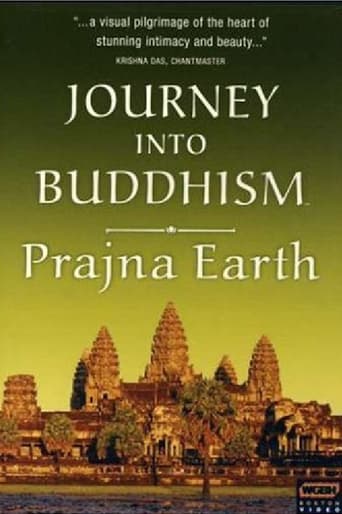
Prajna is the Sanskrit word for radiant wisdom, and yatra is the word for pilgrimage or spiritual journey. This visually stunning documentary is a cinematic pilgrimage exploring the lost civilization of Angkor in Cambodia, including the largest temple in the world, the magnificent Angkor Wat. The journey continues to sacred sites of the natural world, Hindu Bali, jungles of Java, and discovering Buddhist Borobudur. A John Bush film.

On April 17, 1975, the face of Cambodia would forever be changed. As Khmer Rouge soldiers marched into the capital city of Phnom Penh, the unsuspecting people of Cambodia had little idea they would be forced into a living nightmare that would last nearly four years. Rain Falls From Earth is a story of courage, a story of survival and a story of eventual triumph over the Communist regime that was responsible for the deaths of over two million people. The voices of many Cambodians are heard as they convey their thoughts, ideas and emotions - the very things they were forced to abandon in the "killing fields" of Cambodia. Their stories are an eyewitness account to genocide.
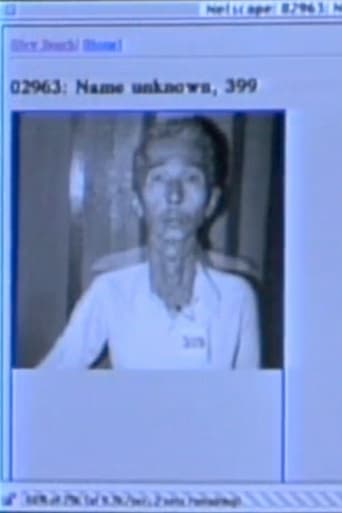
In okay bye-bye, so named for what Cambodian children shouted to the U.S. ambassador in 1975 as he took the last helicopter out of Phnom Phenh in advance of the Khmer Rouge, Rebecca Baron explores the relationship of history to memory. She questions whether, "image and memory can occupy the same space." Building on excerpts from letters, found super-8 footage of an unidentified Cambodian man, iconographic photographs from the Vietnam War and other partial images, Baron combines epistolary narrative, memoir, journalism, and official histories to question whether something as monumental as the genocidal slaughter of Cambodians during the Pol Pot regime can be examined effectively with traditional methodologies.
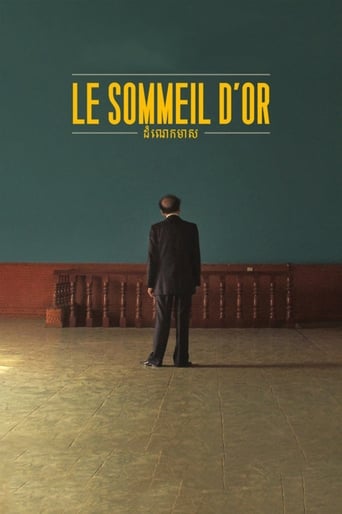
Over three million Cambodians died in the genocide between 1975 and 1979. The Khmer Rouge’s reign of terror also decimated a homegrown film industry that had flourished since 1960: movie theaters were bombed, film prints were destroyed and artists were executed. In Golden Slumbers, French-Cambodian filmmaker Davy Chou mourns this loss of lives and culture, but balances the somber material with a playfulness that honors the lush melodramas and mythic adventures of the glory years.