

Palace of Silents
Documentary · History
Overview
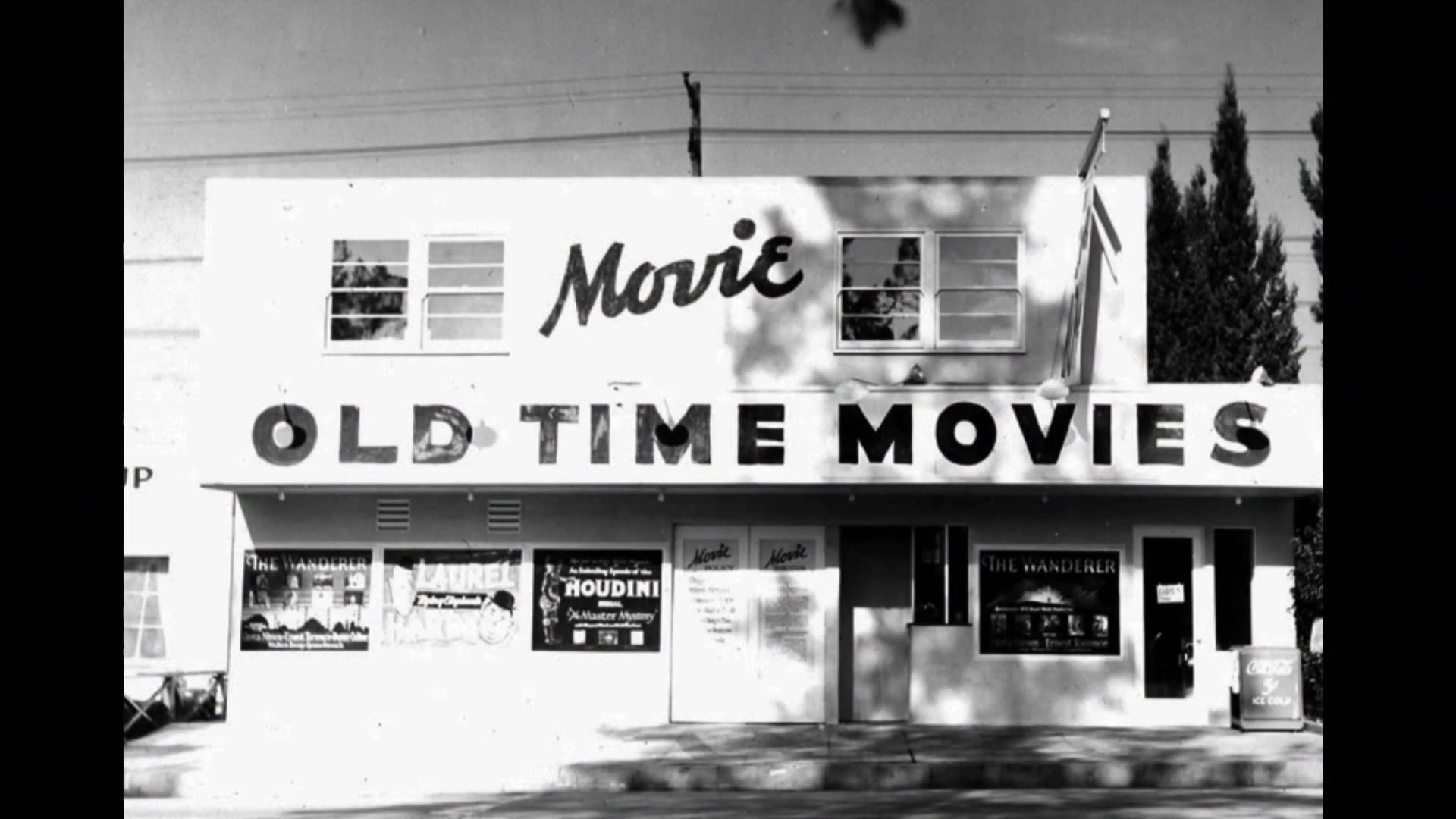
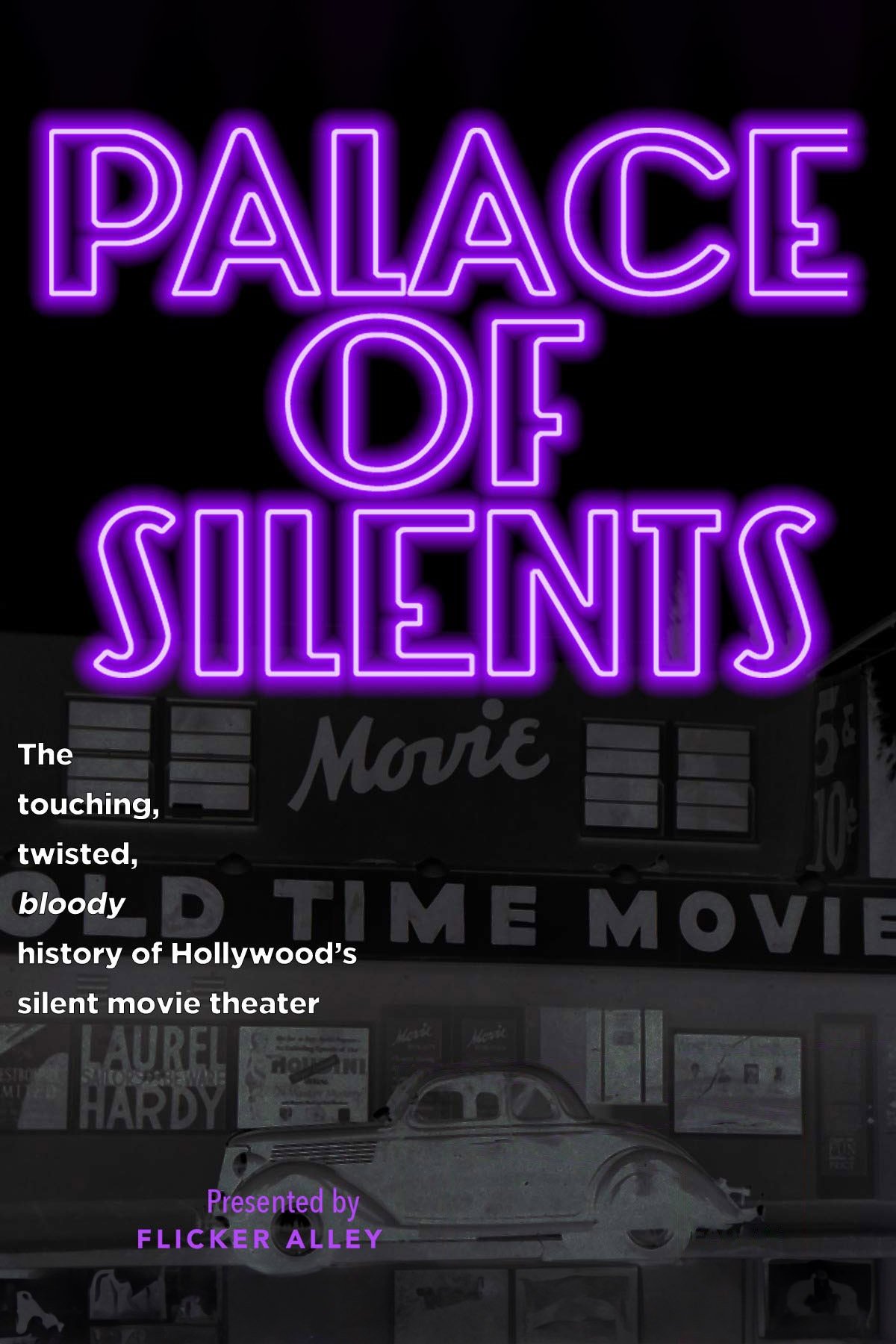
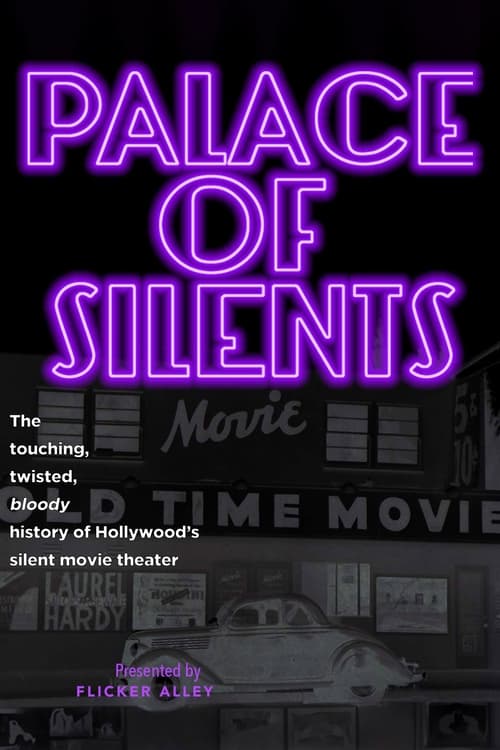
Built in 1942 by a maverick film preservationist, this small Los Angeles theater championed silent film at the very moment when the Hollywood studios across town were busily destroying their nitrate inventories. With hard chairs, phonograph-record accompaniments, and mostly original vintage prints, the dingy mom-and-pop operation was nonetheless a palace to the fanatical few who became its loyal audience.
Top Cast







Laurence Austin
Laurence Austin
Self (archive footage)
Laurence Austin
Self (archive footage)
Michael F. Blake
Michael F. Blake
Self
Michael F. Blake
Self
Mike Hawks
Mike Hawks
Self
Mike Hawks
Self
Charlie Lustman
Charlie Lustman
Self
Charlie Lustman
Self
Douglas S. Matthews
Douglas S. Matthews
Hitman
Douglas S. Matthews
Hitman
Robert Mitchell
Robert Mitchell
Self
Robert Mitchell
Self
Dean Mora
Dean Mora
Self
Dean Mora
Self
David Slaughter
David Slaughter
Self
David Slaughter
Self
George Wagner
George Wagner
Self
George Wagner
Self
Valerie Yaros
Valerie Yaros
Self
Valerie Yaros
Self
Similar Movies
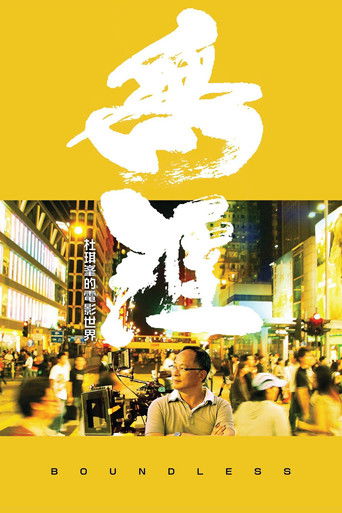
As Hong Kong's foremost filmmaker, Johnnie To himself becomes the protagonist of this painstaking documentary exploring him and his Boundless world of film. A film student from Beijing and avid Johnnie To fan, Ferris Lin boldly approached To with a proposal to document the master director for his graduation thesis. To agreed immediately and Lin's camera closely followed him for over two years, capturing the man behind the movies and the myths. The result is Boundless, a candid profile of one of Hong Kong's greatest directors and a heartfelt love letter to Hong Kong cinema.
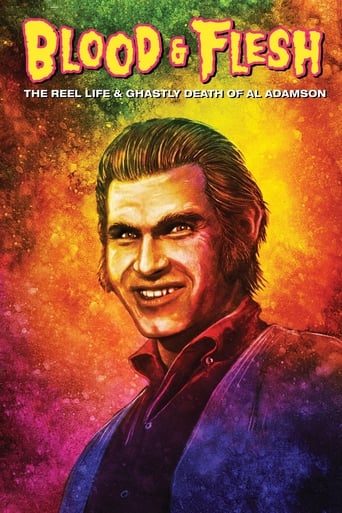
Brought to life through archival material and the reflections of over 40 colleagues, friends and fans, BLOOD & FLESH is much more than the story of a moviemaking life most unusual. It beautifully captures the worlds of outsider filmmaker communities that existed in California in the ’70s, and the weird ways they intersected with Hollywood mainstream and union indies. On Adamson shoots, regular Orson Welles crew and cinematographers like Gary Graver, Vilmos Szigmond and Lazlo Kovaks worked alongside Bud Cardos — and at one point, Charles Manson! Director David Gregory (founder of Severin Films, director of LOST SOUL: THE DOOMED JOURNEY OF RICHARD STANLEY’S ISLAND OF DR. MOREAU) spent years making this film, speaking to everyone down to the cops who investigated Adamson’s murder, vividly encapsulating both a bold life and tragic demise, with alien conspiracies, go-go dancers and Colonel Sanders coming in along the way. If you’ve got even a passing interest in cinema, you want to see this
Glamorously eccentric and enigmatic Theremin master Armen Ra recounts his dynamic journey in this life-spanning documentary that mixes rare concert performances, candid interviews, and archive material with the magical power of music that can alchemize ancient sorrow into timeless beauty.
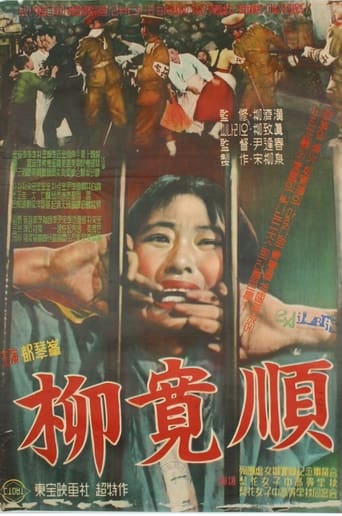
This film is about of the life of the young patriotic martyr Yu Gwan-sun, who fought for the liberation of her country during the Independence Movement in 1919. As the Independence Movement becomes more and more intense among Korean students, the Japanese authorities order schools closed temporarily. Yu Gwan-sun (Do Geum-bong) persuades her neighbors to join the national movement, and continues her aggressive struggle against Japanese rule. An independent campaign at Aunae, a market site, is successful with the passionate participation of many people. She is arrested by the Japanese police for leading the campaign and has to endure horrible tortures. But she never gives up her fight, encouraging her cell mates to participate in the movement. She is finally taken to an underground room by the Japanese police and murdered.
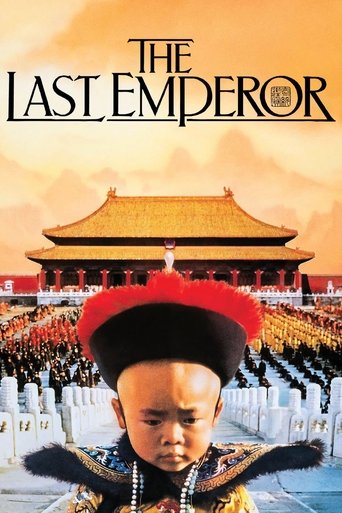
A dramatic history of Pu Yi, the last of the Emperors of China, from his lofty birth and brief reign in the Forbidden City, the object of worship by half a billion people; through his abdication, his decline and dissolute lifestyle; his exploitation by the invading Japanese, and finally to his obscure existence as just another peasant worker in the People's Republic.
Transcending cultural barriers and consistently going against the grain, female Nepali climber Pasang Lhamu Sherpa attempted to summit Everest four times in the early nineties. Although she was not allowed to attend school as a child, Pasang did not let that stop her from pursuing her dreams. After founding her own trekking company in Kathmandu, she blazed a trail for Nepali women via her efforts to summit Everest. Proving how big you can dream and how far you can go to achieve those dreams, she left a legacy not only for the family she has left behind, but for the myriad women following in her footsteps.