

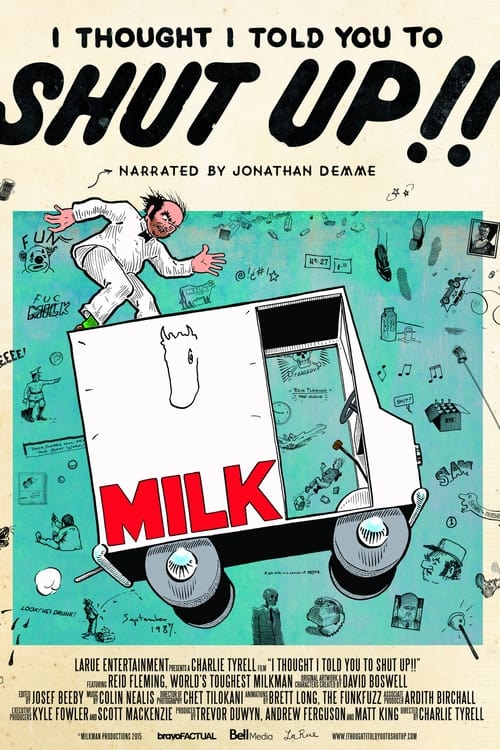
I Thought I Told You To Shut Up!!
Documentary
Overview
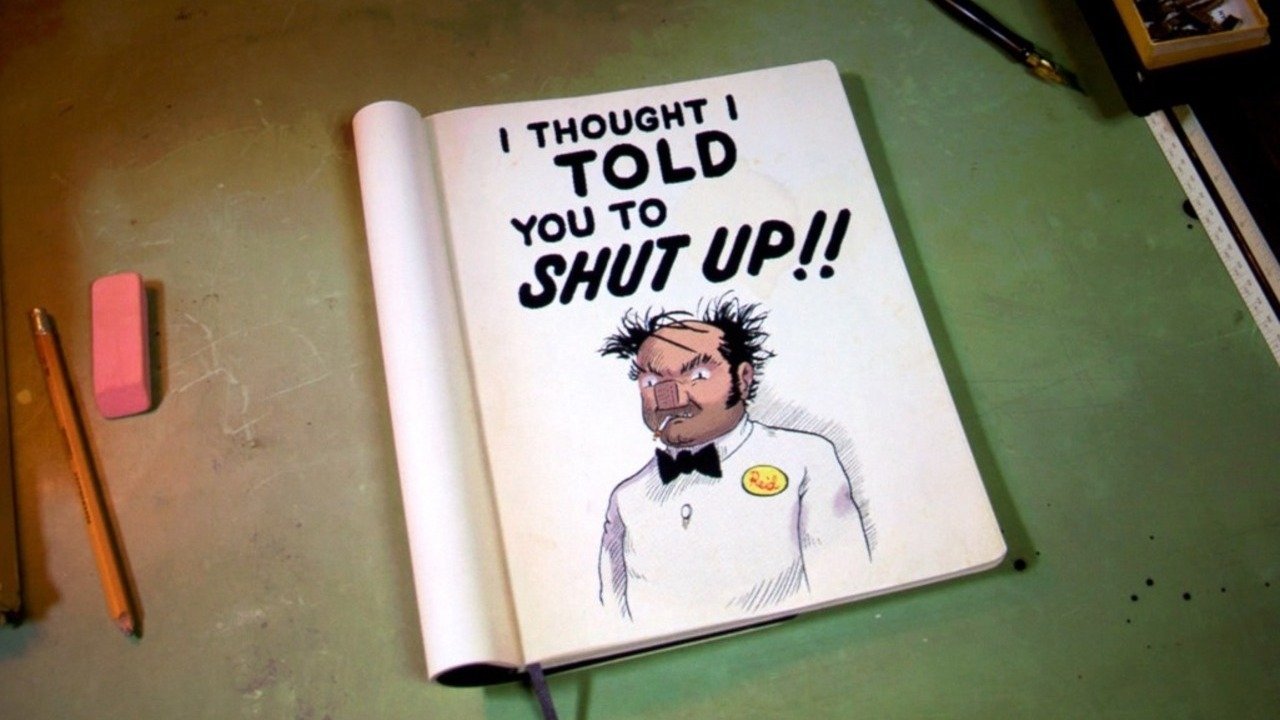
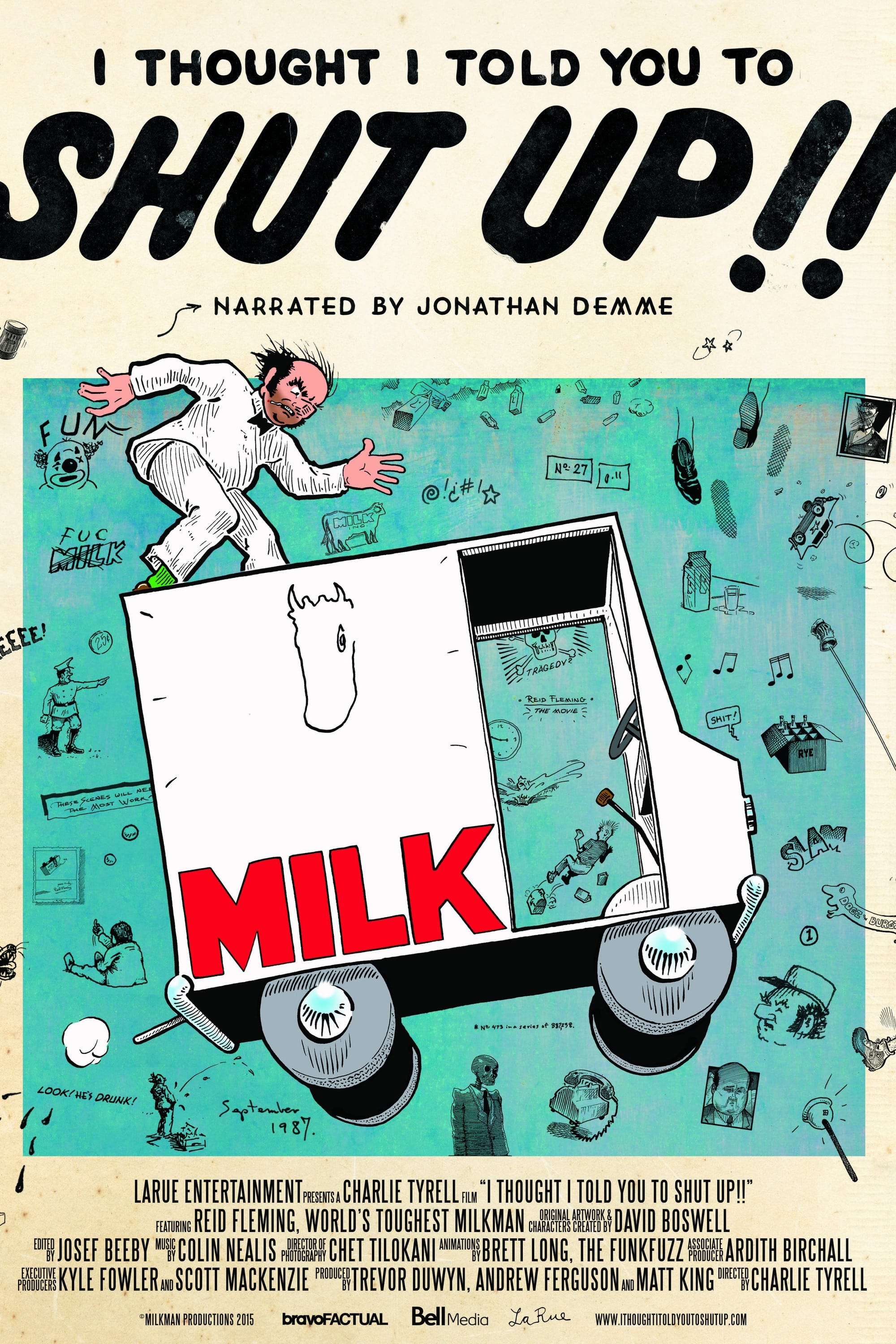
This documentary short tells the story of cartoonist David Boswell and his greatest creation: Reid Fleming, World's Toughest Milkman. In the late '70s, David Boswell birthed Reid Fleming, a counterculture icon in the form of a comic book anti-hero. Fast forward to the '80s, Warner Brothers aimed for a Hollywood film. Today, three decades later, Reid Fleming remains stuck in a contractual quagmire. Jonathan Demme, Academy Award-Winner (The Silence of the Lambs, Stop Making Sense), narrates "I Thought I Told You To Shut Up!!" This documentary blends stop-motion animation with interviews from Boswell, Hollywood cohorts, and fans, exploring the enduring allure of the indomitable Reid Fleming, the World's Toughest Milkman.


Jonathan Demme
Jonathan Demme
Narrator (voice)
Jonathan Demme
Narrator (voice)
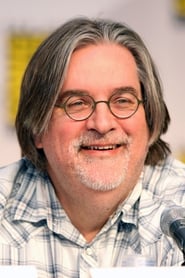
Matt Groening
Matt Groening
Himself
Matt Groening
Himself

Kevin Pollak
Kevin Pollak
Himself
Kevin Pollak
Himself
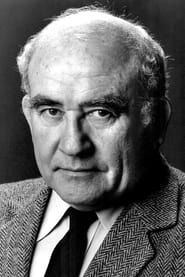
Ed Asner
Ed Asner
Himself
Ed Asner
Himself

Richard Beattie
Richard Beattie
Himself
Richard Beattie
Himself
Jeph Loeb
Jeph Loeb
Himself
Jeph Loeb
Himself

Dave Thomas
Dave Thomas
Himself
Dave Thomas
Himself

Bill Gerber
Bill Gerber
Himself
Bill Gerber
Himself
Matthew Weisman
Matthew Weisman
Himself
Matthew Weisman
Himself

David Boswell
David Boswell
Himself
David Boswell
Himself
Similar Movies

The Smurfs were created in 1958 by the Belgian comic author Peyo (Pierre Culliford, 1928-1992) and they are one of Belgium's most recognized exports. From Brussels to Los Angeles, via Dubai, a journey into the tiny world of the famous little blue people, from the story of the creation of the original comic to the account of their huge global commercial exploitation.

This movie chronicles the life and times of R. Crumb. Robert Crumb is the cartoonist/artist who drew Keep On Truckin', Fritz the Cat, and played a major pioneering role in the genesis of underground comix. Through interviews with his mother, two brothers, wife, ex-wife and ex-girlfriends, as well as selections from his vast quantity of graphic art, we are treated to a darkly comic ride through one man's subconscious mind.

The Underground subcultures in Budapest are an integral part of the diverse and colorful Hungarian culture. The creators of the film - Esther Turan and Anna Koltay - wanted to explore what were the major youth music subcultures in the '90s and 2000s in Budapest. This film is a tribute to the underground subcultures of the city. In these series of films, these grass-roots groups deal with the social impact of their community building power and the role played by Budapest itself in the formation of these groups. The film explores the kind of atmosphere and unwritten rules, what were the dominant places, external signs, and symbols, or who were the central figures and what were the memorable stories. The film guides the viewer from the best bands to the message, from the typical attire to the cult bars. The new generation is a starting point, a complex retrospective of where it originated and why the colorful underground cultural life still characterizes Budapest today.
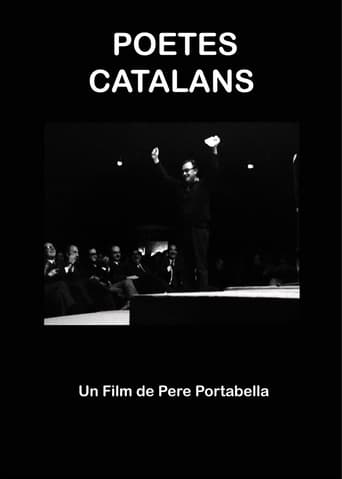
At underground film of the 1st Popular Festival of Catalan Poetry filmed in the Proce Theater in Barcelona on May 25, 1970, in solidarity with political prisoners. The participating poets were: Agustí Bartra, Joan Oliver (Pere IV), Salvador Espriu, Joan Brossa, Francesc Vallverdú and Gabriel Ferrater.
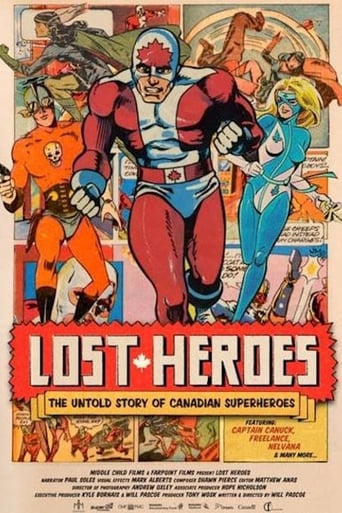
Lost Heroes is the story of Canada's forgotten comic book superheroes and their legendary creators. A ninety-minute journey to recover a forgotten part of Canada's pop culture and a national treasure few have ever heard about. This is the tale of a small country striving to create its own heroes, but finding itself constantly out muscled by better-funded and better-marketed superheroes from the media empire next door.

In the spring of 1984, a strange new comic book sat beside cash registers in select shops, too big to fit in the racks, and too weird to ignore. Eastman and Laird's Teenage Mutant Ninja Turtles presented a completely original breed of super hero. It was too bizarre, too crazy. It broke all the rules and should never have worked. Until it sold out. Again and again and again. For 30 years. Now, peek under the shell and see how this so-called "happy accident" defied every naysayer to become one of the most popular and beloved franchises in the world.
Walt Disney said “We have created characters and animated them in the dimension of depth, revealing through them to our perturbed world that the things we have in common far outnumber and outweigh those that divide us.” Outside of Walt himself there are few people who have brought together and united more animators in the history of the genre than Craig "Spike" Decker and Mike Gribble, known to all as Spike & Mike. They created an animation festival that helped launch the careers of John Lasseter, Peter Lord, Will Vinton, Bill Plympton and Mike Judge to name just a few. Their Spike & Mike festival had an enormous impact on animation that was felt the world over. The festival was known as much for the breakthrough animation it presented as the outrageous antics of the founders.
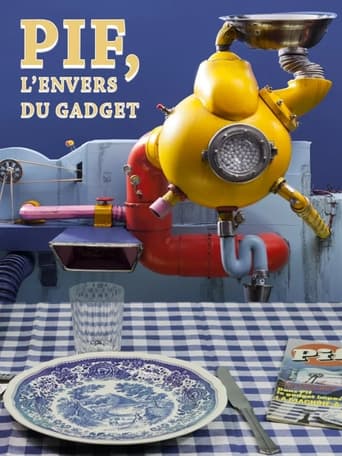
Taking stock of the extraordinary adventure of "Pif Gadget", a French publishing phenomenon of the 1970s-80s and even of the whole history of children's press. For the comic-strip magazine with the iconic dog, created in 1969 by the French Communist Party, often reached a million copies. With editions available for all of Europe (including Germany, under the title Yps), and on both sides of the Iron Curtain.