


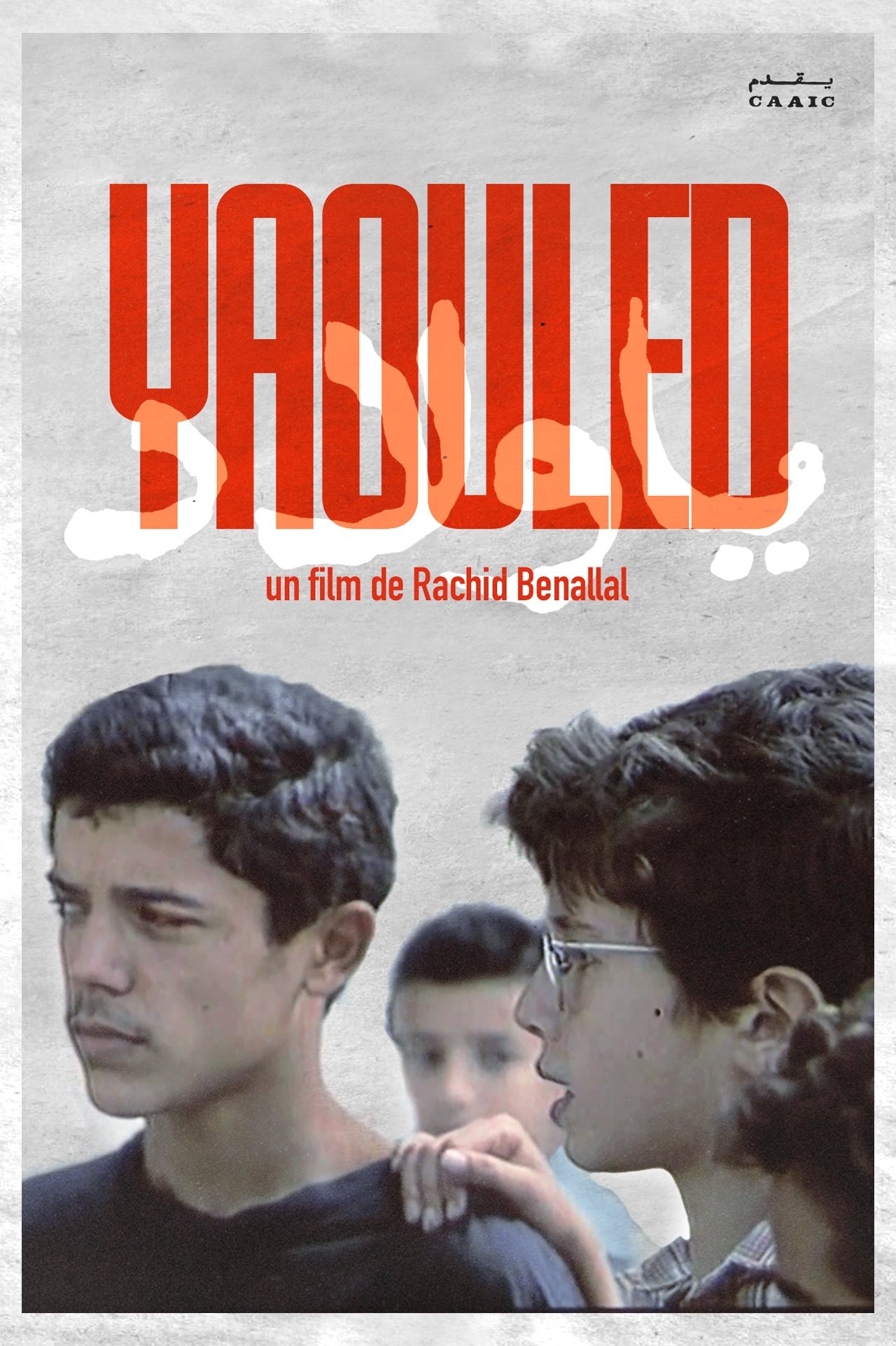
Yaouled
Drama
Overview
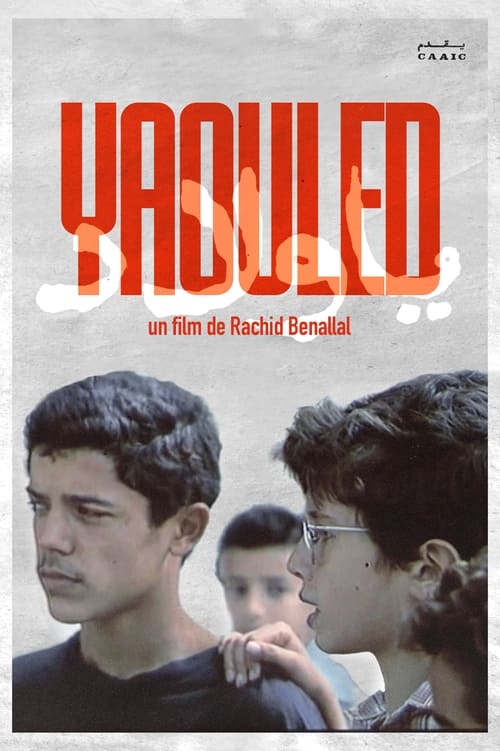
A young Arab boy, a teenager "Yaouled", who lives on the streets and scrapes by doing odd jobs: shoe shining, street vending, etc. The film tells the story of a group of yaouleds from the Bab-el-Oued neighborhood, caught in the crossfire between the French settlers on one side and the Algerians on the other during the events of July 1962 in Algeria.





Rachid Fares
Rachid Fares
Rachid Fares
Fadela Assous
Fadela Assous
Fadela Assous

Cherif Hadjam
Cherif Hadjam
Cherif Hadjam
Djamila Haddadi
Djamila Haddadi
Djamila Haddadi
Ali Meddah
Ali Meddah
Ali Meddah
Raïhana Mekhalfia
Raïhana Mekhalfia
Raïhana Mekhalfia
Mohamed Nacef
Mohamed Nacef
Mohamed Nacef
Eric Haller
Eric Haller
Eric Haller
Similar Movies
In colonial Vietnam, dashing French naval captain Jean-Baptiste, wealthy plantation owner Éliane Devries, and her adopted Vietnamese daughter Camillevare the three points of a cross-cultural romantic triangle. As the struggle against European imperialism sweeps Indochina, Jean-Baptiste and Camille have to choose sides and Éliane faces the emotionally difficult challenge of raising the child of her daughter and ex-lover.

A fearsome 19th century bandit, Cobra Verde cuts a swath through Brazil until he arrives at the sugar plantation of Don Octávio Countinho. Not knowing that his new guest is the notorious bandit and impressed by his ruthless ways, Don Octávio hires Cobra Verde to oversee his slaves. But when Cobra Verde impregnates Don Octávio’s three daughters, the incensed plantation owner exiles the outlaw to Africa where he is expected to reopen the slave trade. Following his trans-Atlantic journey, Cobra Verde exploits tribal conflicts to commandeer an abandoned fortress and whips an army of naked warriors into a frenzied bloodlust as he vies for survival.
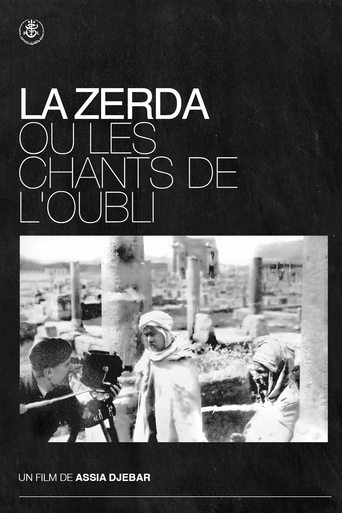
“La Zerda and the songs of oblivion” (1982) is one of only two films made by the Algerian novelist Assia Djebar, with “La Nouba des femmes du mont Chenoua” (1977). Powerful poetic essay based on archives, in which Assia Djebar – in collaboration with the poet Malek Alloula and the composer Ahmed Essyad – deconstructs the French colonial propaganda of the Pathé-Gaumont newsreels from 1912 to 1942, to reveal the signs of revolt among the subjugated North African population. Through the reassembly of these propaganda images, Djebar recovers the history of the Zerda ceremonies, suggesting that the power and mysticism of this tradition were obliterated and erased by the predatory voyeurism of the colonial gaze. This very gaze is thus subverted and a hidden tradition of resistance and struggle is revealed, against any exoticizing and orientalist temptation.
It tells the story of a boy Kumasenu who moves to the city of Accra from a small fishing village, encouraged by his cousin Agboh's exaggerated tales of the wonders of city life. Hungry, he steals bread and is caught by police, but is rescued by a doctor and his wife who find him work. Agboh attempts to get Kumasenu to rob the doctor, but Kumasenu foils his cousin's plans.
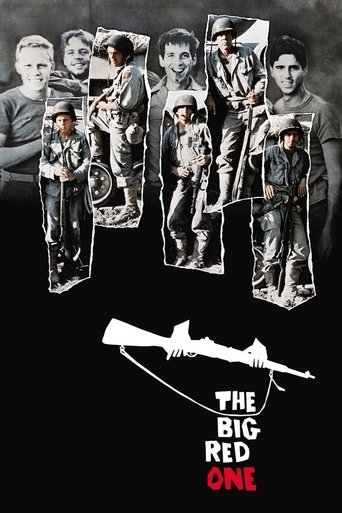
A veteran sergeant of World War I leads a squad in World War II, always in the company of the survivor Pvt. Griff, the writer Pvt. Zab, the Sicilian Pvt. Vinci and Pvt. Johnson, in Vichy French Africa, Sicily, D-Day at Omaha Beach, Belgium and France, and ending in a concentration camp in Czechoslovakia where they face the true horror of war.
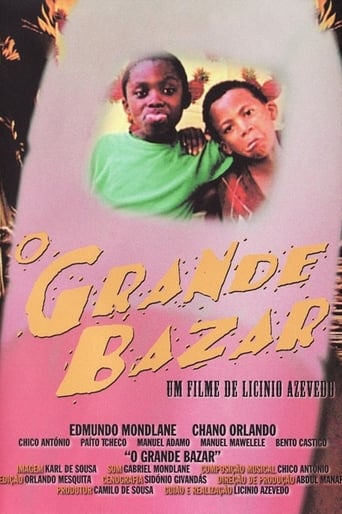
Two boys with different experiences and goals meet up in a sprawling African market. One is looking for a job, to get back what was stolen from him and return home. The other will do anything to avoid having to go back with his family. They become friends and together they reinvent the world.