

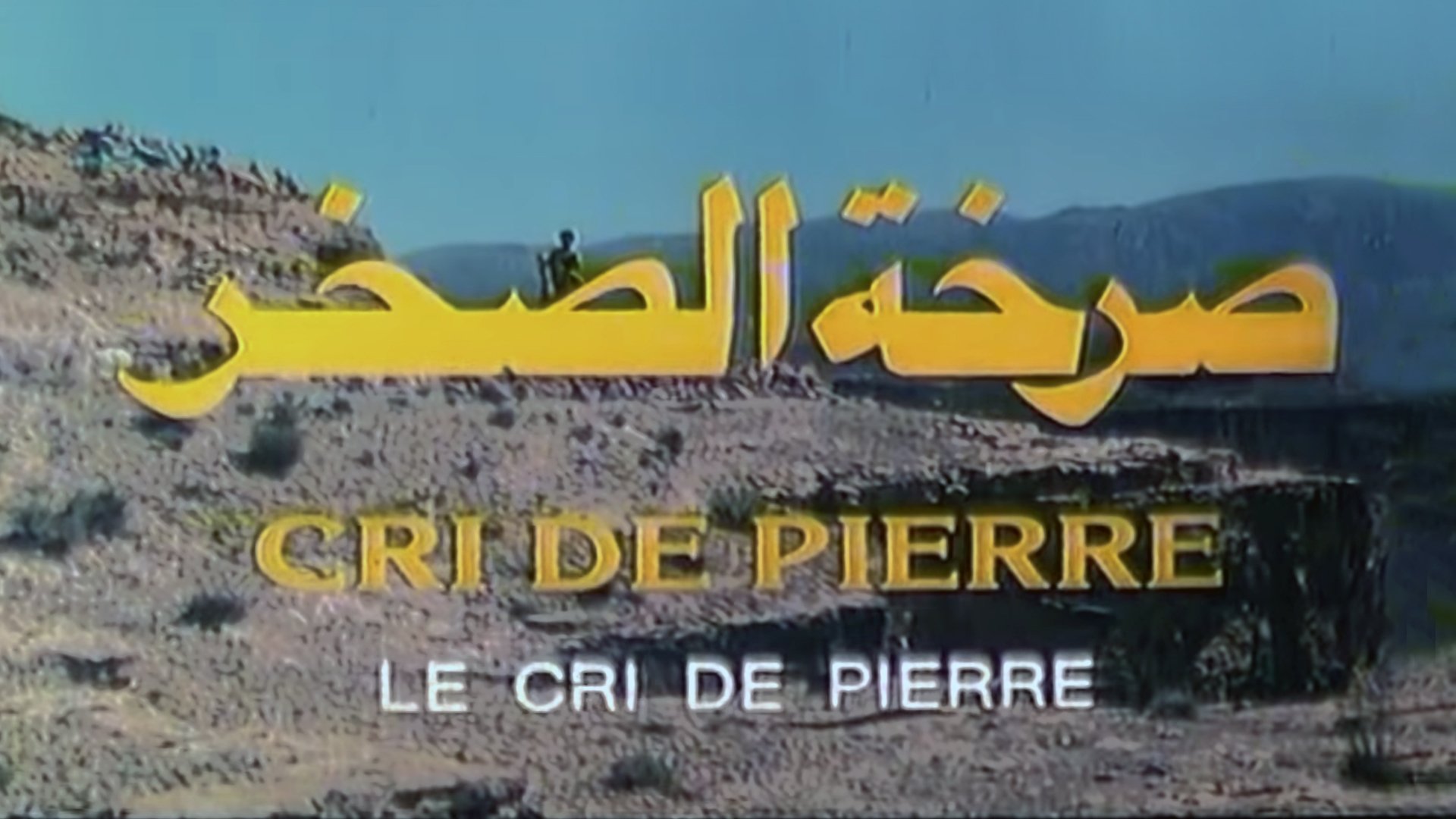
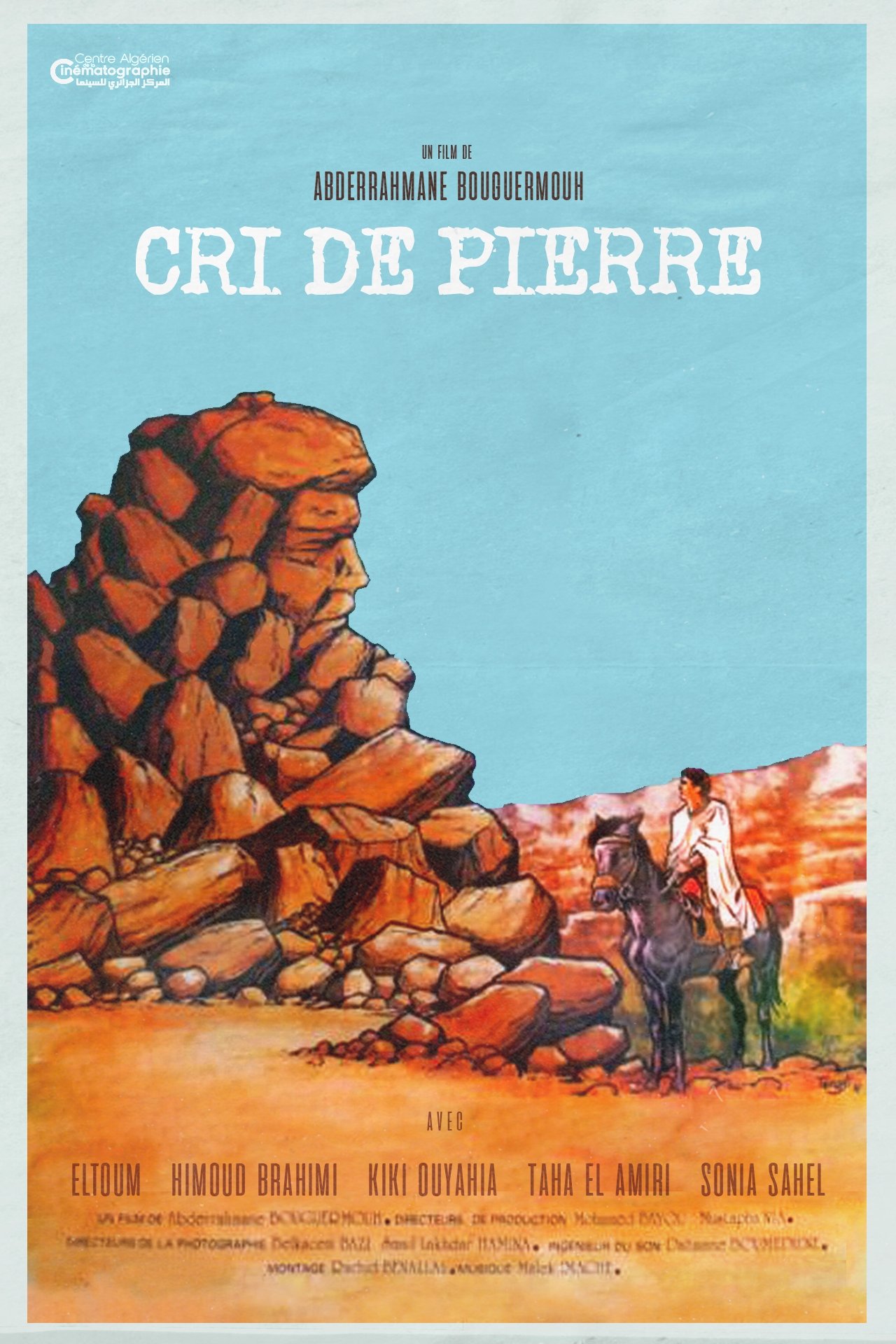
Cry of Stone
Overview
Led by Daoudi, a disenchanted architect, a group of Constantines return to their village in deep Algeria where a young man delivers to them words of boyish wisdom inherited from his deceased grandfather..










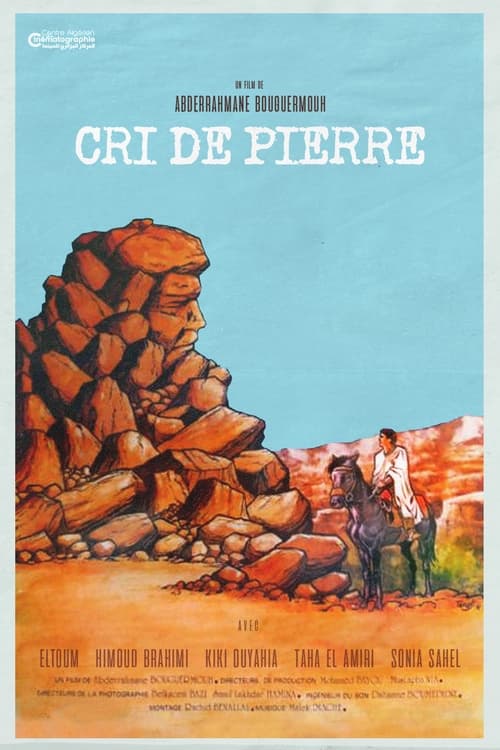

Hadj Smaine Mohamed Seghir
Hadj Smaine Mohamed Seghir
Si Mahmoud
Hadj Smaine Mohamed Seghir
Si Mahmoud

Keltoum (Aïcha Adjouri)
Keltoum (Aïcha Adjouri)
Lala Fatma
Keltoum (Aïcha Adjouri)
Lala Fatma

Anouar H. Smaine
Anouar H. Smaine
Reda
Anouar H. Smaine
Reda

Himoud Brahimi
Himoud Brahimi
Salah
Himoud Brahimi
Salah

Taha El-Amiri
Taha El-Amiri
El Mokhtar
Taha El-Amiri
El Mokhtar
Kiki Ouyahia
Kiki Ouyahia
Omar
Kiki Ouyahia
Omar
Mohamed Benhamadi
Mohamed Benhamadi
Nasser
Mohamed Benhamadi
Nasser
Fatiha Soltane
Fatiha Soltane
Khadija
Fatiha Soltane
Khadija

Aziz Degga
Aziz Degga
Fayçal
Aziz Degga
Fayçal

Hacène Benzerari
Hacène Benzerari
Hacène Benzerari
Similar Movies
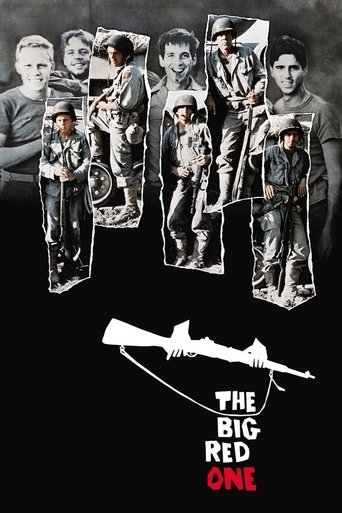
A veteran sergeant of World War I leads a squad in World War II, always in the company of the survivor Pvt. Griff, the writer Pvt. Zab, the Sicilian Pvt. Vinci and Pvt. Johnson, in Vichy French Africa, Sicily, D-Day at Omaha Beach, Belgium and France, and ending in a concentration camp in Czechoslovakia where they face the true horror of war.
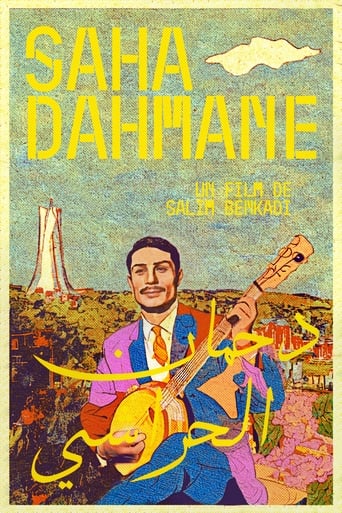
Film about Dahmane El Harrachi, musician, singer and composer of the famous song "Ya Rayah", a cult song covered by Rachid Taha, which will enjoy international success. Virtuoso of the banjo, the work of Dahmane El Harrachi did not initially respond to the canons of the purists of Algiers Chaâbi song. However, he will end up establishing himself alongside great masters of the genre, El Hadj M'hamed El Anka, Boudjemaâ El Ankis, El Hachemi Guerouabi, Amar Ezzahi... He plays his own role in this film shot with his musician friends, just before his tragic death in 1980 in a car accident on the Corniche of Algiers.
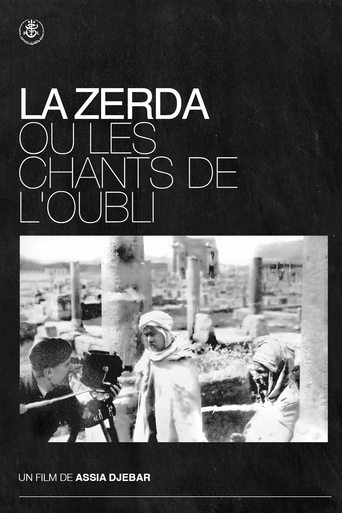
“La Zerda and the songs of oblivion” (1982) is one of only two films made by the Algerian novelist Assia Djebar, with “La Nouba des femmes du mont Chenoua” (1977). Powerful poetic essay based on archives, in which Assia Djebar – in collaboration with the poet Malek Alloula and the composer Ahmed Essyad – deconstructs the French colonial propaganda of the Pathé-Gaumont newsreels from 1912 to 1942, to reveal the signs of revolt among the subjugated North African population. Through the reassembly of these propaganda images, Djebar recovers the history of the Zerda ceremonies, suggesting that the power and mysticism of this tradition were obliterated and erased by the predatory voyeurism of the colonial gaze. This very gaze is thus subverted and a hidden tradition of resistance and struggle is revealed, against any exoticizing and orientalist temptation.
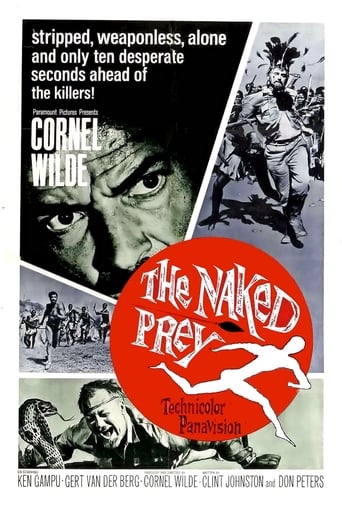
A group of men are on safari. One of the party refuses to give a gift to a tribe they encounter. The tribe is offended, seizes the party, and one-by-one, kills all but one of the safari members in various creative and horrifying ways. The last surviving member is given "The Lion's Chance" by the tribal leader to be hunted down by a party of tribal warriors.