

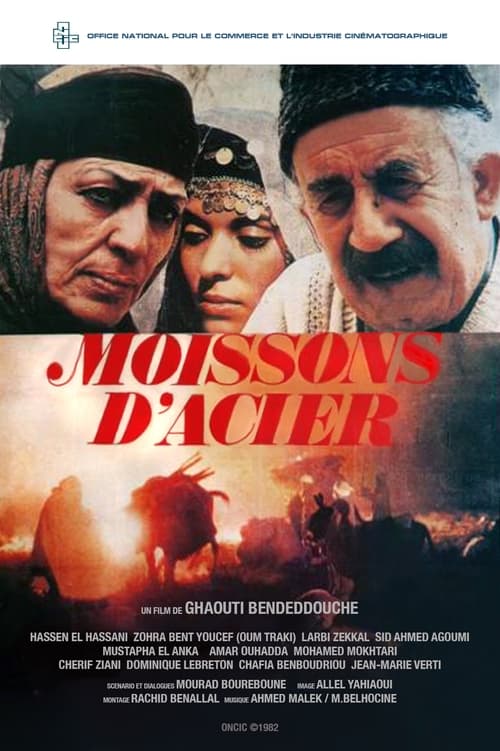
Harvest of Steel
Drama
Overview
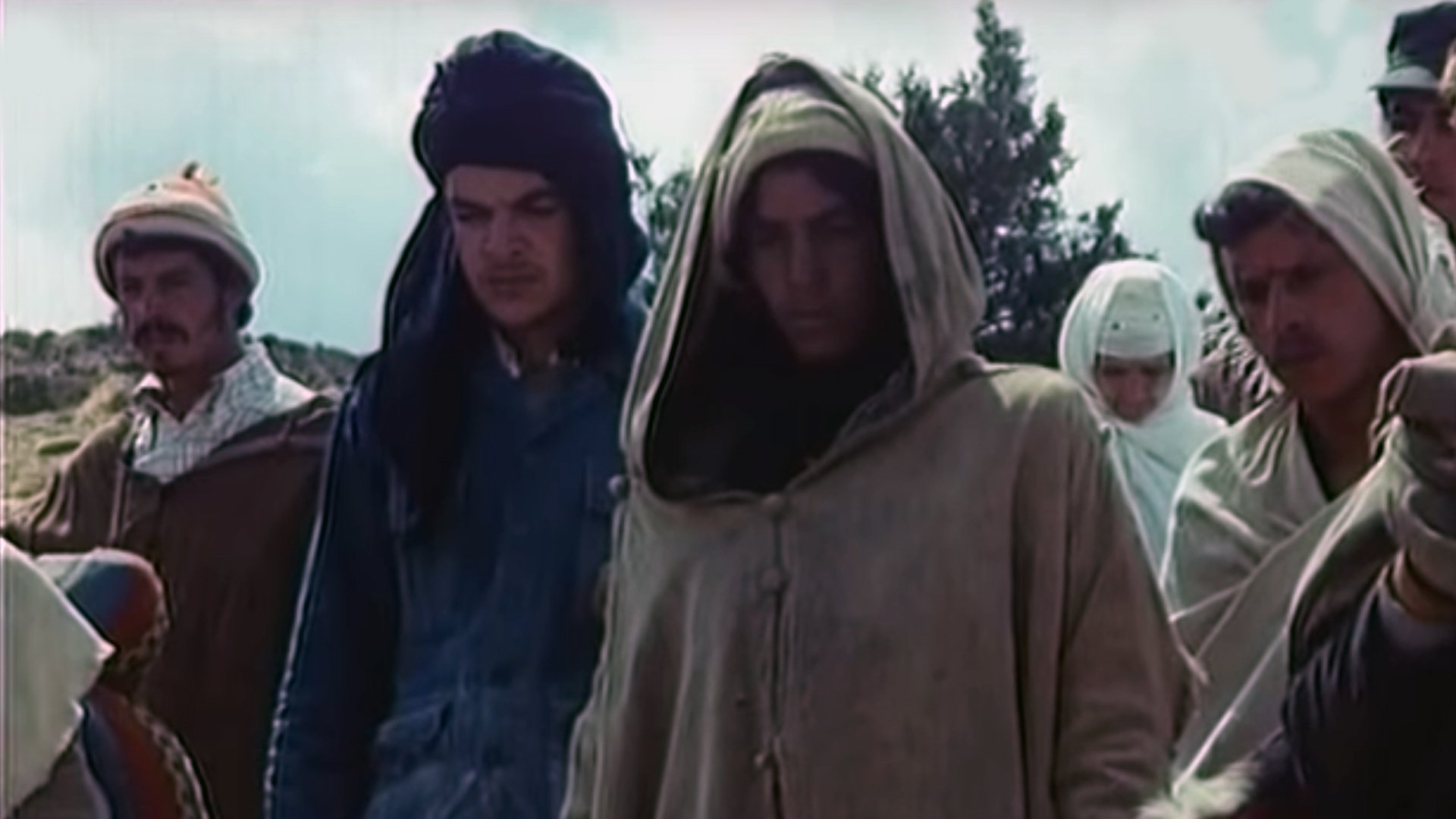
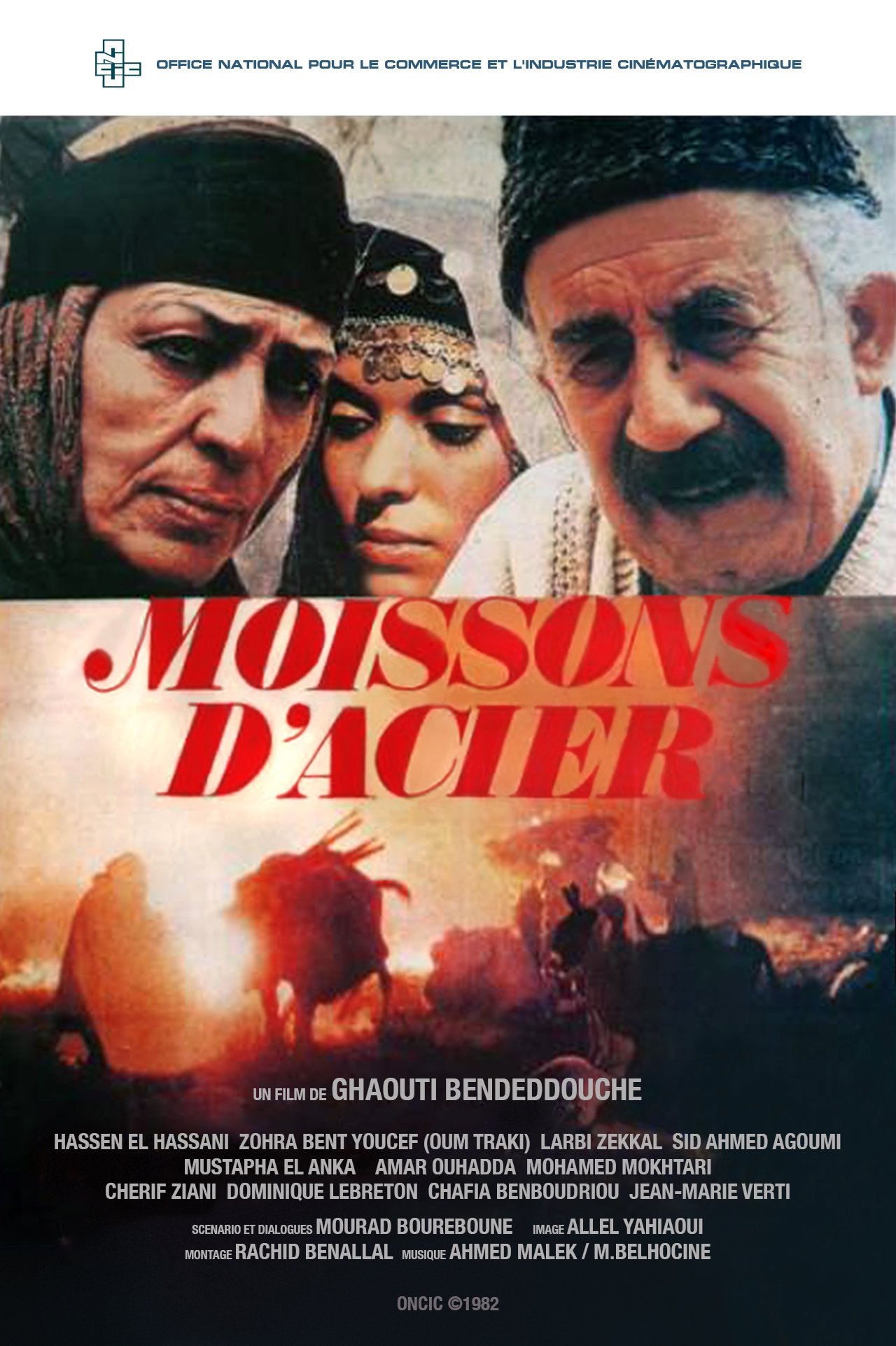
Years after Algeria gained independence, war continues to claim lives in Soulima, a border village surrounded by mines, whose victims are too numerous to count. Despite all these deaths, the inhabitants remain rooted in their ancestral land. Among them stands out the noble figure of Zohra, who seems to be the soul of the village...




Sid Ahmed Agoumi
Sid Ahmed Agoumi
Sid Ahmed Agoumi

Hassan El-Hassani
Hassan El-Hassani
Hassan El-Hassani
Zohra Bent Youcef
Zohra Bent Youcef
Zohra Bent Youcef

Larbi Zekkal
Larbi Zekkal
Larbi Zekkal

Mustapha El Anka
Mustapha El Anka
Mustapha El Anka
Amar Ouhadda
Amar Ouhadda
Amar Ouhadda
Mohamed Mokhtari
Mohamed Mokhtari
Mohamed Mokhtari
Ziani Chérif Ayad
Ziani Chérif Ayad
Ziani Chérif Ayad
Dominique Lebreton
Dominique Lebreton
Dominique Lebreton
Chafia Benboudriou
Chafia Benboudriou
Chafia Benboudriou
Similar Movies
Young farmer Mikajlo while on youth labour action falls in love with a student Nada and infatuated with her, he leaves the peasant brigade and Malena, a girl who as if she were overabundant, followed him to work the labour action. Mikajlo's courtship of Nada provokes laughter and ridicule, so ambitious 'Don Juan' returns to his brigade and the girl.
An Algerian social satire that tells the story of Boujemaa, who marries a second wife in addition to his first wife, who is ill and with whom he has a son and a daughter. Living all under the same roof, the new wife imposes her authority in the house. The lives of the family members are then turned upside down.
Abderrahim is a mechanic and singer in his spare time. One day, he receives a car to repair, driven by a very beautiful girl. It's love at first sight. They want to get married and start a family, but the girl's parents do not view this love favorably. They decide to marry their daughter to another man. Subsequently, Abderrahim became a famous singer. The loss of her love leaves the young girl in a state of silence from which only Abderrahim can break her.
60 years ago, in the Algerian desert, an atomic bomb, equivalent to three or even four times Hiroshima, exploded. Named the “Blue Gerboise”, it was the first atomic bomb tested by France, and of hitherto unrivaled power. This 70 kiloton plutonium bomb was launched in the early morning, in the Reggane region, in southern Algeria, during the French colonial era. If this test allowed France to become the 4th nuclear power in the world, it had catastrophic repercussions. France had, at the time, certified that the radiation was well below the standard safety threshold. However, in 2013, declassified files revealed that the level of radioactivity had been much higher than announced, and had been recorded from West Africa to the south of Spain.
Néfissa, a student in Algiers, returns to her village in the south in the summer. Her father wants her to marry the mayor but she wants to continue her studies. Confronting her father and the opinion of the villagers who do not understand her, she decides to flee to Algiers. The shepherd Rabah discovering her wounded and lost in the mountains, has her treated by her mother. In contact with Nefissa, Rabat becomes aware of his exploited condition and discovers the possibilities offered to him by the cooperatives of the agrarian revolution. The two young people will go through the decisive stage together which will allow them to escape obscurantism and exploitation. Based on the novel "Le vent du sud" by Abdelhamid Benahouga
In 1815, young Jacquou lives an idyllic peasant life with his parents in the Périgord region of France. But one day, his childhood happiness is cruelly ended when his father is arrested, after a dispute with the arrogant Count de Nansac. With both his parents dead, Jacquou is adopted by Bonal, a kind priest, under whose influence he grows into an assured, morally upright young man. Now an adult, Jacquou has one desire. To repay the Count de Nansac for the evil he once inflicted on his parents...
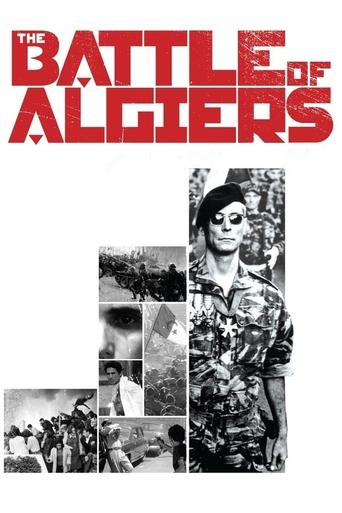
Paratrooper commander Colonel Mathieu, a former French Resistance fighter during World War II, is sent to Algeria to reinforce efforts to squelch the uprisings of the Algerian War. There he faces Ali la Pointe, a former petty criminal who, as the leader of the Algerian Front de Liberation Nationale, directs terror strategies against the colonial French government occupation. As each side resorts to ever-increasing brutality, no violent act is too unthinkable.
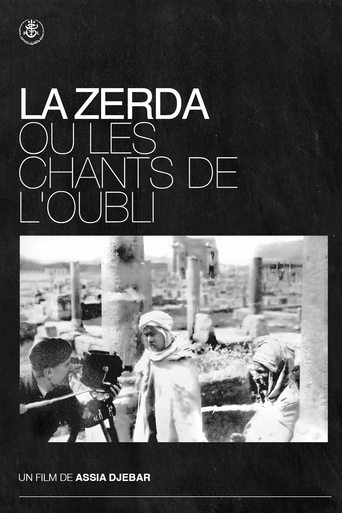
“La Zerda and the songs of oblivion” (1982) is one of only two films made by the Algerian novelist Assia Djebar, with “La Nouba des femmes du mont Chenoua” (1977). Powerful poetic essay based on archives, in which Assia Djebar – in collaboration with the poet Malek Alloula and the composer Ahmed Essyad – deconstructs the French colonial propaganda of the Pathé-Gaumont newsreels from 1912 to 1942, to reveal the signs of revolt among the subjugated North African population. Through the reassembly of these propaganda images, Djebar recovers the history of the Zerda ceremonies, suggesting that the power and mysticism of this tradition were obliterated and erased by the predatory voyeurism of the colonial gaze. This very gaze is thus subverted and a hidden tradition of resistance and struggle is revealed, against any exoticizing and orientalist temptation.