

Living With Lincoln
Documentary
Overview
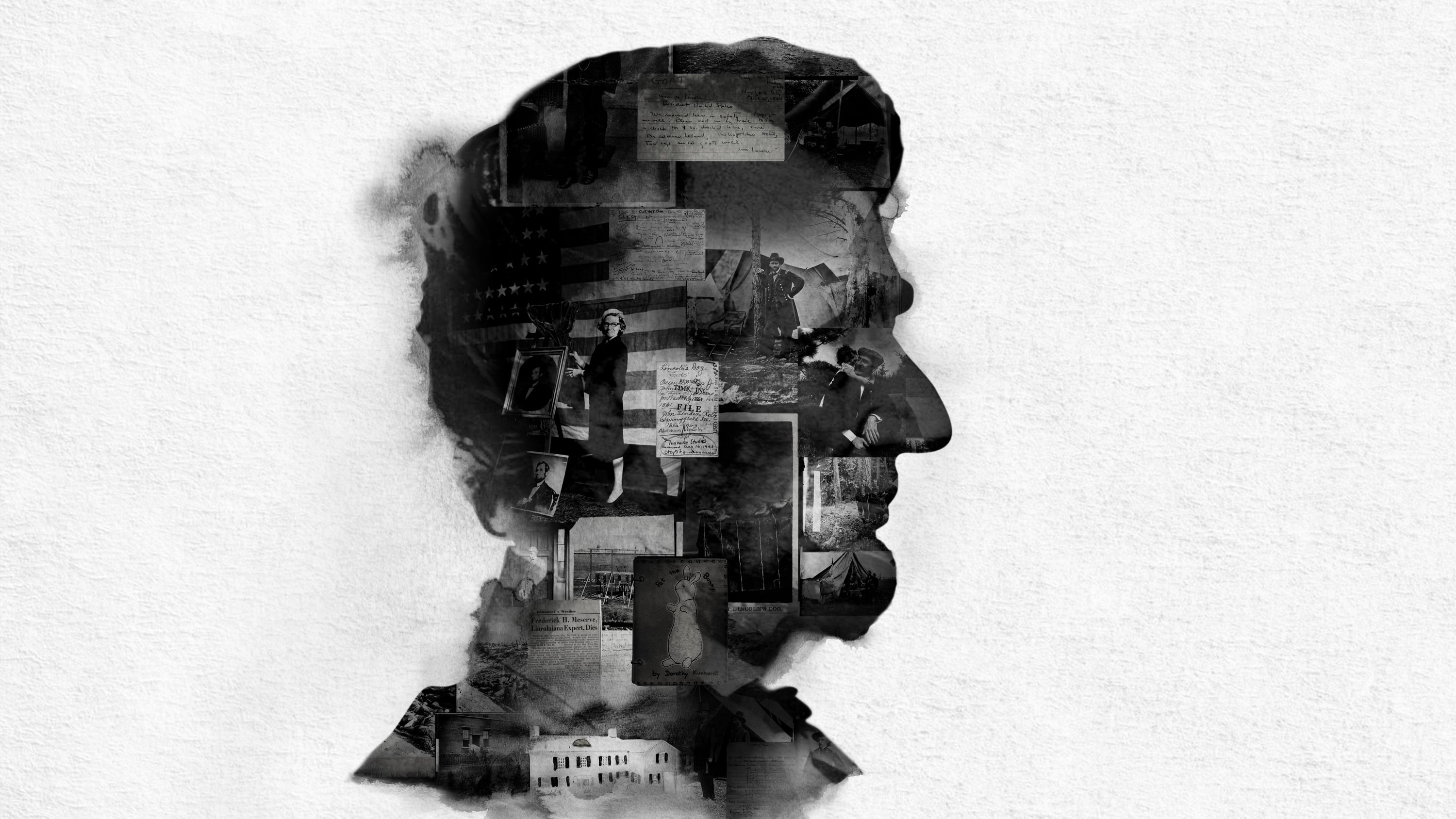
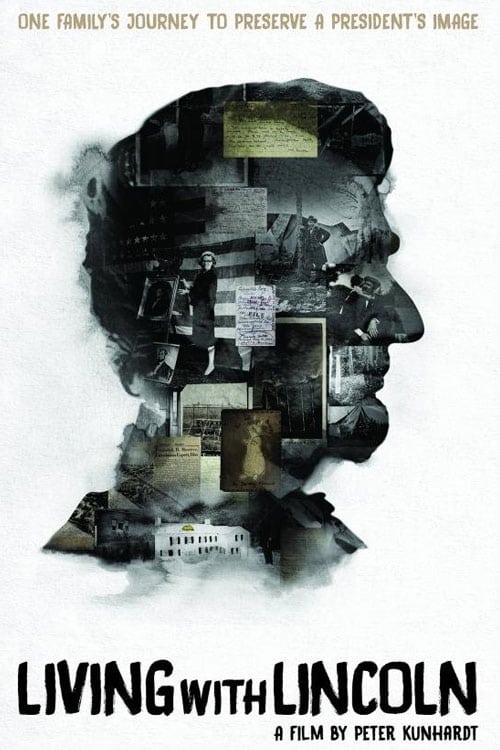
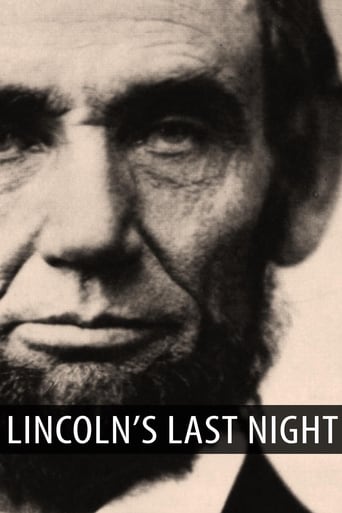
Filmmaker Peter Kunhardt examines how a one-of-a-kind collection of Abraham Lincoln photos and memorabilia have profoundly shaped the lives and sensibilities of five generations of his family.






Peter W. Kunhardt
Peter W. Kunhardt
Self - Narrator
Peter W. Kunhardt
Self - Narrator

Dossy Peabody
Dossy Peabody
Dorothy Kunhardt (voice)
Dossy Peabody
Dorothy Kunhardt (voice)
Similar Movies
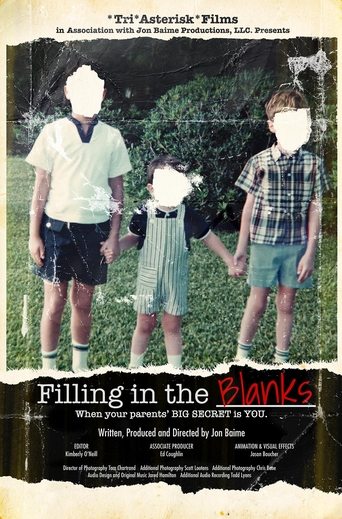
Where do I come from? For some, the question has a simple answer -- for others, the truth can be much more complicated. With the rise in popularity of at-home DNA tests, it's now easier than ever for people to uncover their family history and, sometimes, things their parents wish would stay buried. Interested in learning more about his family heritage, director Jon Baime took an at-home DNA test and uncovered a family secret that has been hidden for half a century. Featuring in-depth interviews with Jon's siblings as well as a treasure trove of family photos and films spanning 70 years, FILLING IN THE BLANKS takes audiences on a journey as Jon explores the meaning behind his discovery and expands on what it means to be family.
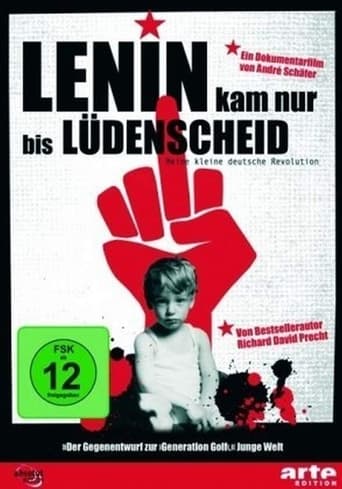
The free, almost naive view from the perspective of a child puts the "68ers" in a new, illuminating light in the anniversary year 2008. The film is a provocative reckoning with the ideological upbringing that seemed so progressive and yet was suffocated by the children's desire to finally grow up. With an ironic eye and a feuilletonistic style, author Richard David Precht and Cologne documentary film director André Schäfer trace a childhood in the West German provinces - and place the major events of those years in completely different, smaller and very private contexts.
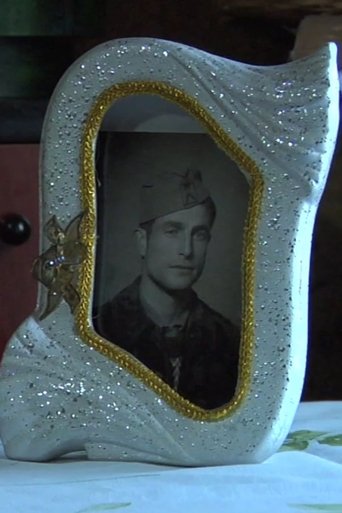
Avelino Chillarón was 12 or 13 years old when he realized that his surnames and those of his cousins didn't match, so he decided to ask his uncle. This is how he learned that, although his father and aunt were siblings, they didn't have the same father, so he and his cousins didn't share the same grandfather. In this way, Avelino realized that there was a part of his family he didn't know. The protagonist of this story feels partially mutilated from a part of his family history, a part that was taken away from him by a regime that established, over the years, a long period of widespread social amnesia about a series of corpses and missing persons throughout the spanish geography.
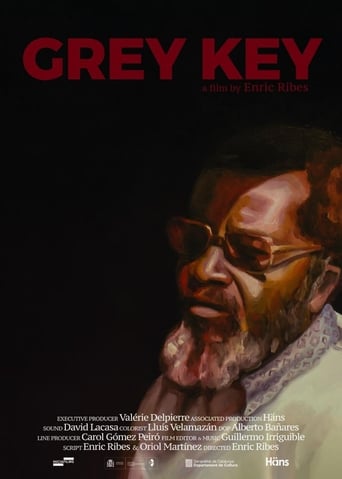
Fear and fascination arise in Muriel Grey when she remembers the figure of her father, who passed away when she was still very young. Thirty years after his death, Muriel will tell us the story of José Carlos Grey, a Black Holocaust survivor, freedom fighter in the Spanish Civil War and the French Resistance, and one of the only Black men known to have been imprisoned at the Mauthausen concentration camp in Austria.
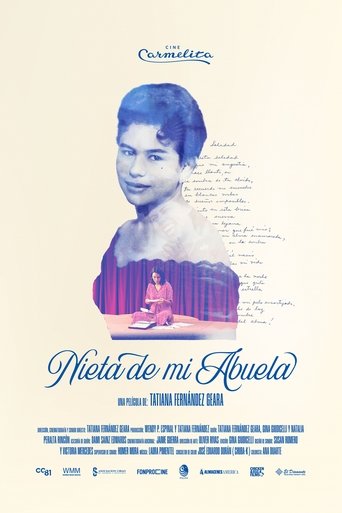
“Don’t end up alone like I did.” This plea expressed by her grandmother before passing, haunts Tatiana, a single, 40-year-old documentary filmmaker. Filled with questions about what it means to “not end up alone,” Tatiana explores her grandma Teresa’s life: an imposing woman who owned an iconic movie theater, divorced three times and challenged the Dominican social norms of her era. The filmmaker embarks on a journey through family archives, old films and hundreds of letters, constructing —or trying to deconstruct— a story about love, expectations and solitude.
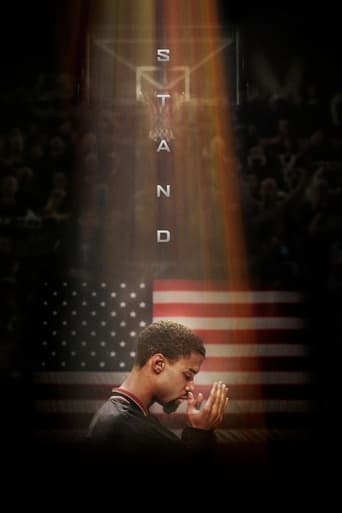
Raw and unflinching examination of the courageous life of basketball star and social justice activist Mahmoud Abdul-Rauf. Born Chris Jackson, he overcame tremendous adversity to reach the NBA and found his true calling when he converted to Islam. His decision not to stand for the national anthem, however, turned him from prodigy to pariah. Told candidly by Abdul-Rauf himself more than 20 years later it’s the remarkable story of one man who kept the faith and paved the way for a social justice movement.
African American filmmaker David A. Wilson decided to look into his family's history during the slave era. The result is this documentary, which provides a unique perspective on the long shadow cast by slavery in America. Wilson travels to North Carolina to visit the plantation where his ancestors once toiled and to meet its current owner -- a white man named David Wilson, whose slave-owning ancestors originally occupied the property.