

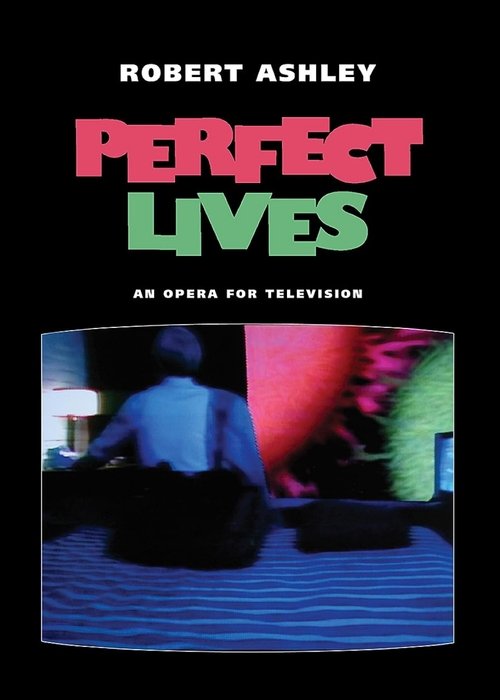
Perfect Lives
TV Movie · Music
Overview
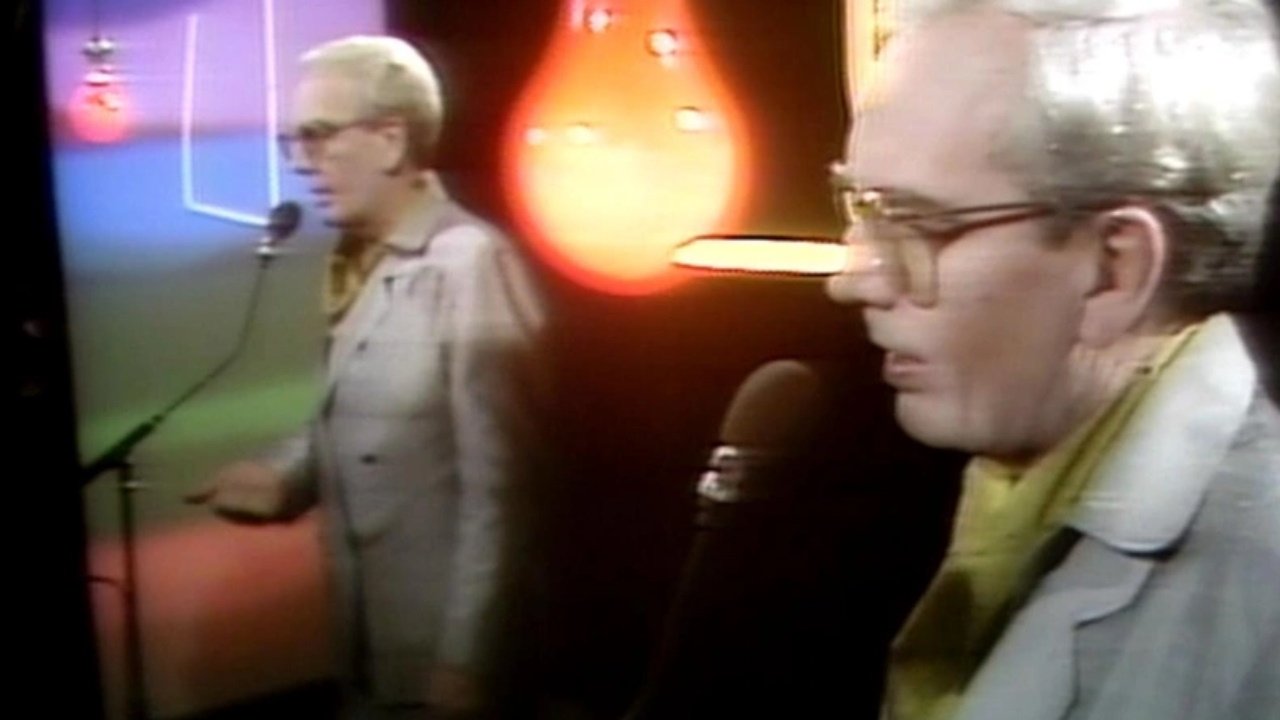
Set in the American Midwest, Perfect Lives is “about” bank robbery, cocktail lounges, geriatric love, adolescent elopement, the changing of the light at sundown, et al. One of the definitive text-sound compositions of the late 20th century, it has been called "the most influential music/theater/literary work of the 1980s".



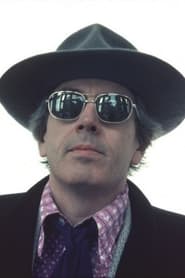
Robert Ashley
Robert Ashley
"R" Narrator
Robert Ashley
"R" Narrator
“Blue” Gene Tyranny
“Blue” Gene Tyranny
Buddy "The World’s Greatest Piano Player"
“Blue” Gene Tyranny
Buddy "The World’s Greatest Piano Player"
Jill Kroesen
Jill Kroesen
Isolde
Jill Kroesen
Isolde
David Van Tieghem
David Van Tieghem
"D" The Captain of The Football Team / Chorus
David Van Tieghem
"D" The Captain of The Football Team / Chorus
Similar Movies

Animation by japanese artist Keiichi Tanaami for John Lennon's song "Oh Yoko!" -- the song was released in 1971, and the animation made in 1973. Keiichi Tanaami (田名網 敬一, Tanaami Keiichi, born in 1936 in Tokyo) was one of the leading pop artists of postwar Japan, and was active as multi-genre artist since the 1960s as a graphic designer, illustrator, video artist and fine artist until his death in 2024.
Documentary tribute to what VH1 called “the single greatest rock omnibus program ever aired” and Brooklyn Vegan named “the most consistently weird and awesome thing on cable television in the ’80s.” This ‘Best Of’ episode features some of the most memorable moments of Night Flight's near-decade long run including restored interviews and segments from Kate Bush, New Wave Theatre, David Lynch, Prince, Wendy O Williams, Divine, Billy Idol, Johnny Rotten, and much more Night Flight treasures from the archive.
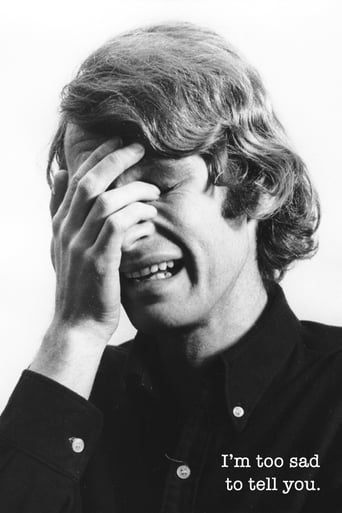
This short film is part of a mixed media artwork of the same name, which also included postcards of Ader crying, sent to friends of his, with the title of the work as a caption. The film was initially ten minutes long, and included Ader rubbing his eyes to produce the tears, but was cut down to three and a half minutes. This shorter version captures Ader at his most anguished. His face is framed closely. There is no introduction or conclusion, no reason given and no relief from the anguish that is presented.
Shot in his garage-studio, the camera records Ader painstakingly hoisting a large brick over his shoulder. His figure is harshly lit by two tangles of light bulbs. He drops the brick, crushing one strand of lights. He again lifts the brick, allowing tension to accrue. The climax inevitable—the brick falls and crushes the second set of lights. Here the film abruptly ends, all illumination extinguished.
Alastair Sooke champions pop art as one of the most important art forms of the twentieth century, peeling back pop's frothy, ironic surface to reveal an art style full of subversive wit and radical ideas. In charting its story, Alastair brings a fresh eye to the work of pop art superstars Andy Warhol and Roy Lichtenstein and tracks down pop's pioneers, from American artists like James Rosenquist, Claes Oldenburg and Ed Ruscha to British godfathers Peter Blake and Allen Jones. Alastair also explores how pop's fascination with celebrity, advertising and the mass media was part of a global art movement, and he travels to China to discover how a new generation of artists are reinventing pop art's satirical, political edge for the 21st century.