



Huria
Drama
Overview
In the city of Constantine, the thwarted love affair of two students: Houria, fatherless, from a poor and traditional background, and Noureddine, son of a wealthy family influenced by Western lifestyle. Houria's brothers keep a close eye on her and want to marry her off to a first cousin. The young woman runs away and, when she returns home, Noureddine courageously asks her to marry him. But while Houria's family agrees, this time it is the girl who refuses...
















Nahad Ali
Nahad Ali
Nahad Ali
Ali Aïssaoui
Ali Aïssaoui
Ali Aïssaoui
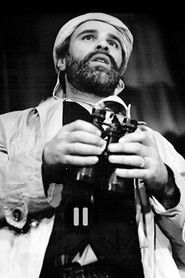
Abdelhamid Habati
Abdelhamid Habati
Abdelhamid Habati
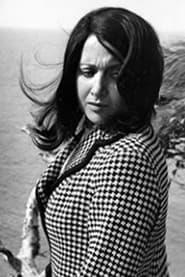
Wahiba Zekkal
Wahiba Zekkal
Wahiba Zekkal

Farida Amrouche
Farida Amrouche
Farida Amrouche
Amina Medjoubi
Amina Medjoubi
Amina Medjoubi
Fatma-Zohra Halit
Fatma-Zohra Halit
Fatma-Zohra Halit
Rachid Ould-Mohand
Rachid Ould-Mohand
Rachid Ould-Mohand
Similar Movies
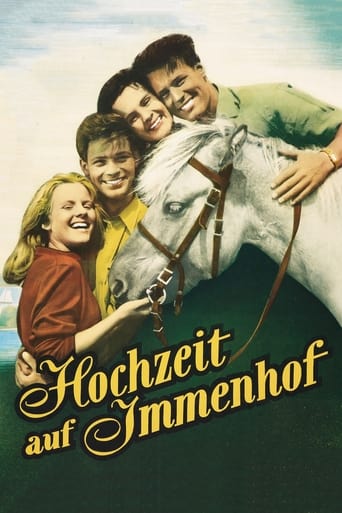
The Immenhof has been closed by officials, awaiting auction. In the meantime, Angela has died, so Jochen is now a widower. Oma Jantzen and Angela's younger sisters Dick and Dalli live with him in the forester's house. In order to save the manor house, Dalli has started a "pony circus" with the village children in the barn, while Dick has given up hope of Ethelbert ever returning.
Sam Clayton's marriage to ex-stripper Freddie comes about when she's strong-armed into the match by Red, a club proprietor who once did her a favor. But Freddie falls in love with Jjaks, Sam's brother, and the pair tries to escape the situation together. It isn't long before both Sam and Red catch up with them, resulting in threats against the two of them -- although tension also starts to build between Sam and Red.
Ahmet Nurudin is a dervish and head of the Islamic monastery of the Mevlevi order in Sarajevo. He is a personification of morale and dogmatic belief, everything that Muslim religion of the Ottoman rule rests on. Throughout his life, the atmosphere of the city, the relations with the judge and the mechanism of government, the image of Ottoman Empire at the beginning of the nineteenth century is being revealed. Based on a highly praised novel by Meša Selimović.
In the panicky, uncertain hours before his wedding, a groom with prenuptial jitters and his two best friends reminisce about growing up together in the middle-class African-American neighborhood of Inglewood, California. Flashing back to the twenty-something trio's childhood exploits, the memories capture the mood and nostalgia of the '80s era.
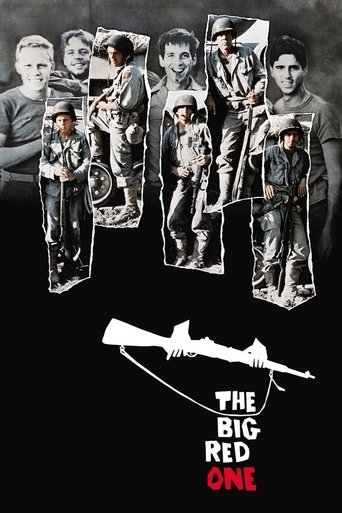
A veteran sergeant of World War I leads a squad in World War II, always in the company of the survivor Pvt. Griff, the writer Pvt. Zab, the Sicilian Pvt. Vinci and Pvt. Johnson, in Vichy French Africa, Sicily, D-Day at Omaha Beach, Belgium and France, and ending in a concentration camp in Czechoslovakia where they face the true horror of war.
Two boys with different experiences and goals meet up in a sprawling African market. One is looking for a job, to get back what was stolen from him and return home. The other will do anything to avoid having to go back with his family. They become friends and together they reinvent the world.
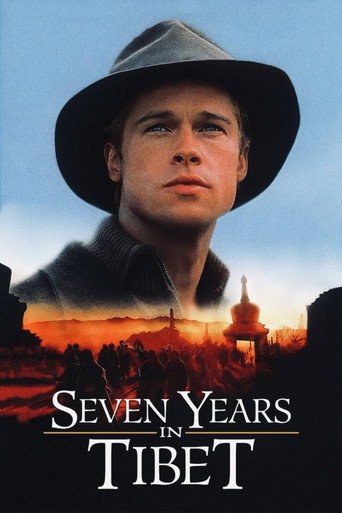
Austrian mountaineer Heinrich Harrer journeys to the Himalayas without his family to head an expedition in 1939. But when World War II breaks out, the arrogant Harrer falls into Allied forces' hands as a prisoner of war. He escapes with a fellow detainee and makes his way to Lhasa, Tibet, where he meets the 14-year-old Dalai Lama, whose friendship ultimately transforms his outlook on life.
An aged father and his younger, mentally challenged son have been working hard every day to keep the bathhouse running for a motley group of regular customers. When his elder son, who left years ago to seek his fortune in the southern city of Shenzhen, abruptly returns one day, it once again puts under stress the long-broken father-son ties. Presented as a light-hearted comedy, Shower explores the value of family, friendship, and tradition.
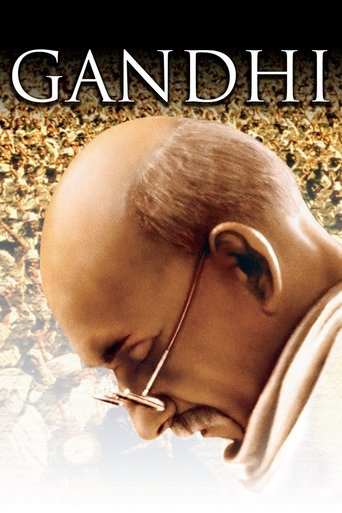
In the early years of the 20th century, Mohandas K. Gandhi, a British-trained lawyer, forsakes all worldly possessions to take up the cause of Indian independence. Faced with armed resistance from the British government, Gandhi adopts a policy of 'passive resistance', endeavouring to win freedom for his people without resorting to bloodshed.