

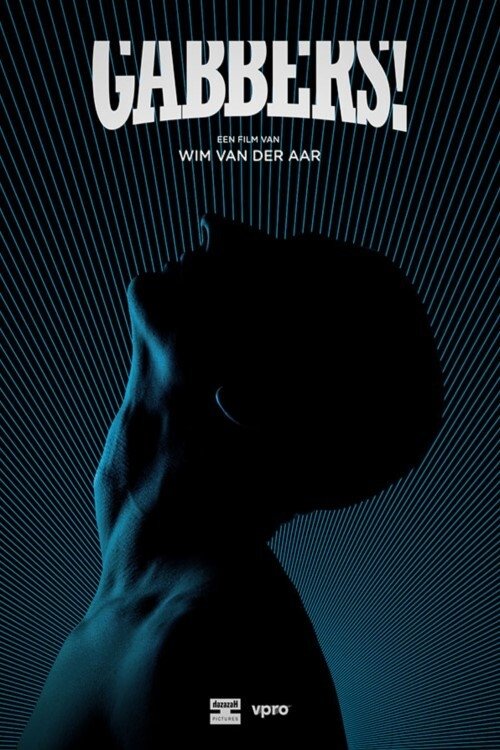
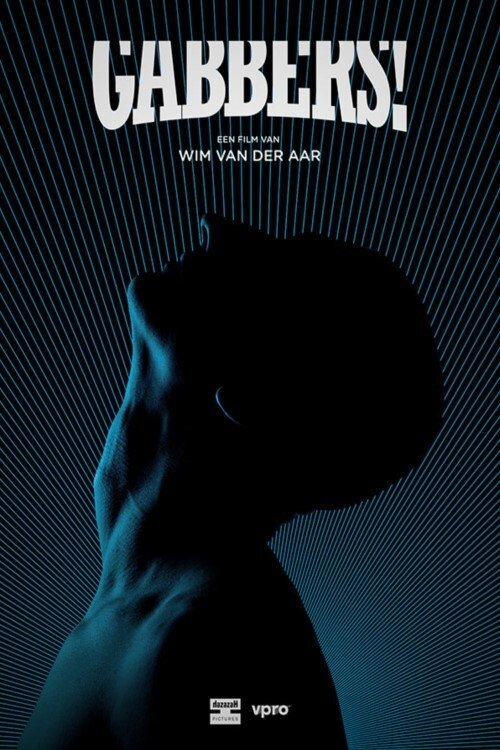
Gabbers!
Documentary
Overview
A documentary about the gabber music scene. It includes images from the 1995 loladamusic's gabber documentary and interviews with former gabbers in their forties who tell us their experiences in the clubs, with the drugs and fashion.





No cast information.
Similar Movies

Beginning on the eve of her thirtieth birthday, “Brave Enough,” documents violinist Lindsey Stirling over the past year as she comes to terms with the most challenging & traumatic events of her life. Through her art, she seeks to share a message of hope and courage and yet she must ask herself the question, “Am I Brave Enough?” Capturing her personal obstacles and breakthrough moments during the “Brave Enough,” tour, the film presents an intimate look at this one-of- a-kind artist and her spectacular live performances inspired by real-life heartbreak, joy, and love.
Rave Culture is one of Britain’s great cultural exports, but after its first wave in the late eighties and early nineties, it was soon forced into the underground by stringent new laws and superclubs. But forward 25 years into in the midst of a nationwide purge on the nation’s nightlife, where nearly half of all British clubs have shut down in the last decade, and a new kind of scene has emerged. Clive Martin investigates this 21st century version of Rave, where young people break into disused spaces with the help of bolt-cutters and complicated squatting laws, to suck on balloons and go hard into the early morning. But with the police using increasingly extreme tactics to clamp down on these parties, and more than one fatality causing nationwide media panic, can the scene survive?

As a sci-fi obsessed woman living in near isolation, Beverly Glenn-Copeland wrote and self-released Keyboard Fantasies in Huntsville, Ontario back in 1986. Recorded in an Atari-powered home-studio, the cassette featured seven tracks of a curious folk-electronica hybrid, a sound realized far before its time. Three decades on, the musician – now Glenn Copeland – began to receive emails from people across the world, thanking him for the music they’d recently discovered.
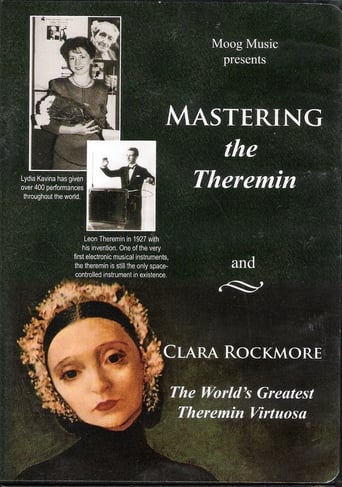
Quite simply the finest theremin player who has ever lived, Clara Rockmore began her performing life as a violin prodigy at the age of 5 years old, still the youngest person ever admitted to the prestigious Imperial Conservatory of Saint Petersburg where she studied under the great Leopold Auer. Due to childhood malnutrition causing bone problems in her teen years, she was forced to give up the violin and moved to New York City in the mid 1920's where she met and became involved with Russian electronics genius Leon Theremin and helped him to refine and perfect his new instrument, giving advice from the standpoint of a musical performer to make the theremin more playable and developing her own hand techniques and exercises for playing the instrument.
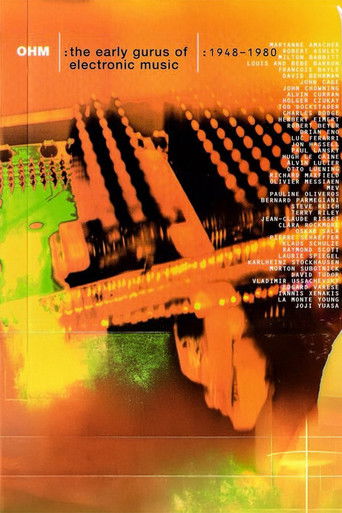
Drawing on rare performances, interviews, animations, and experimental film, this documentary surveys the formative years of electronic music from 1948 to 1980. Featuring pioneering composers and inventors—including Milton Babbitt and Leon Theremin—the film explores the experimental technologies, academic laboratories, and creative struggles that shaped the early evolution of electronic sound.

This documentary offers a behind-the-scenes look at Björk and her touring entourage for the 2001 Vespertine tour. It includes interviews with harpist Zeena Parkins, the Inuit choir from Greenland, electronic duo Matmos, and an ongoing conversation with Björk herself about her recordings and her tours. The documentary is interspersed with live footage of songs from the tour shot by Ragnheidur Gestsdóttir, which themselves correspond to the performances chosen for the Vespertine Live album.
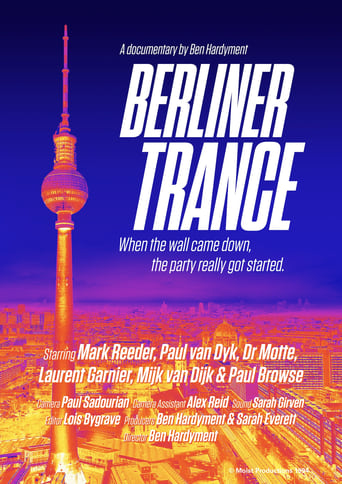
This lost classic, shot on 16mm in a wintry Berlin in 1993, explores the origins of the German trance scene. Featuring interviews with fresh-faced selectors including Laurent Garnier and MFS Records founder Mark Reeder, the documentary also feature footage from the city's iconic Love Parades in 1991 and 1993.

The Hypergaussian Wars is an AI-generated feature-length audiovisual work exploring algorithmic warfare, obsolete media and the transformation of images through repetition, saturation and collapse. Built from thousands of generated images, synthetic landscapes and references to 14th–16th century painting, the film stages a continuous conflict between historical visual culture and contemporary computational systems. Fragments of obsolete video games, ruined architectures, military simulations and post-human figures circulate through increasingly unstable environments. Rather than telling a linear story, the film operates as an image system in which visual excess progressively erodes meaning. The Hypergaussian Wars reflects on memory, obsolescence, artificial intelligence and the persistence of images after their original function has disappeared.