

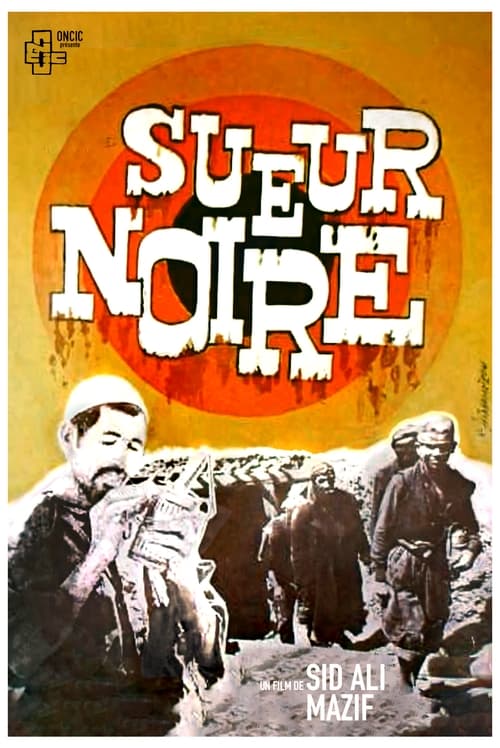
Black Sweat
Drama
Overview
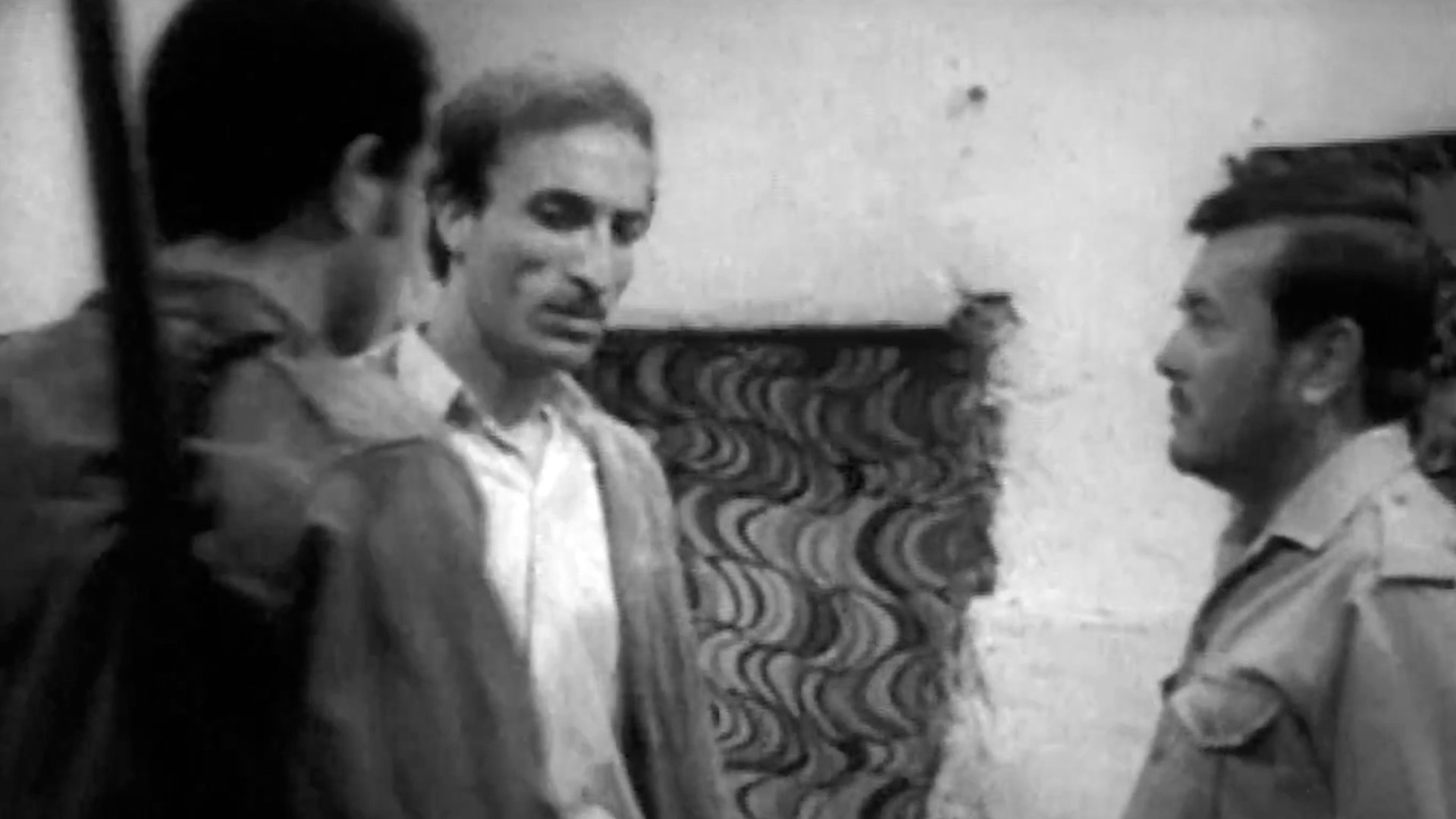
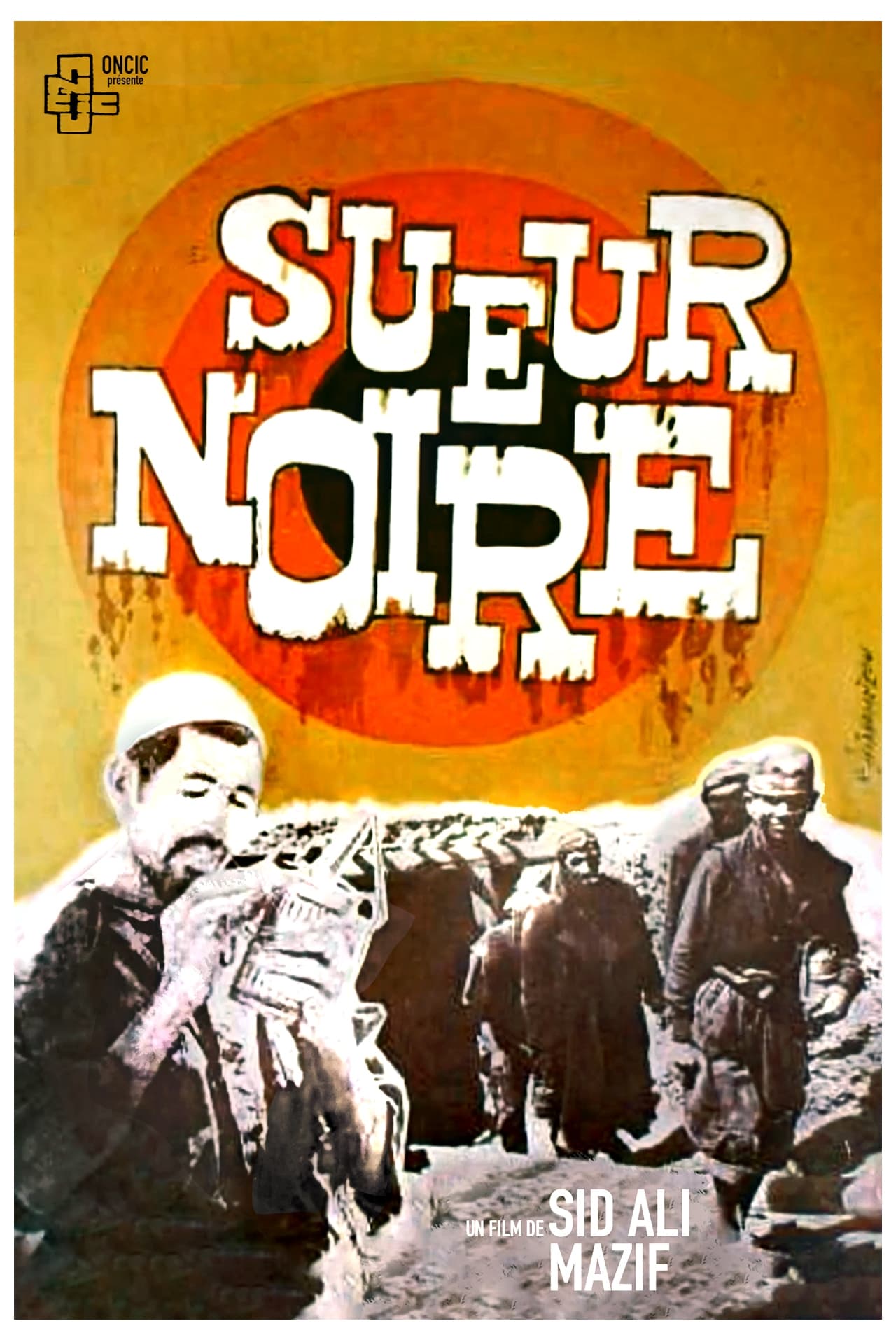
During French colonization, a young Algerian boy is expelled from the French high school where he is able to study thanks to his father's position in the village. For his father, whose dream is to see his son climb the social ladder, this is a disaster, and the young man decides to go to work in the mines. A general strike that is severely repressed makes him aware of the class struggle, and he joins the resistance against discrimination and colonial oppression.
Top Cast








Hosni Kitouni
Hosni Kitouni
Hosni Kitouni
Ziani Boucherit
Ziani Boucherit
Ziani Boucherit
Similar Movies
A veteran sergeant of World War I leads a squad in World War II, always in the company of the survivor Pvt. Griff, the writer Pvt. Zab, the Sicilian Pvt. Vinci and Pvt. Johnson, in Vichy French Africa, Sicily, D-Day at Omaha Beach, Belgium and France, and ending in a concentration camp in Czechoslovakia where they face the true horror of war.

African-American student Malik is on a track scholarship; academics are not his strong suit, and he goes in thinking that his athletic abilities will earn him a free ride through college. Fudge, a "professional student" who has been at Columbus for six years so far, becomes friendly with Malik and challenges his views about race and politics in America.

Frantz Fanon, a French psychiatrist from Martinique, has just been appointed head of department at the psychiatric hospital in Blida, Algeria. His methods contrast with those of the other doctors in a context of colonization. A biopic in the heart of the Algerian war where a fight is waged in the name of Humanity.
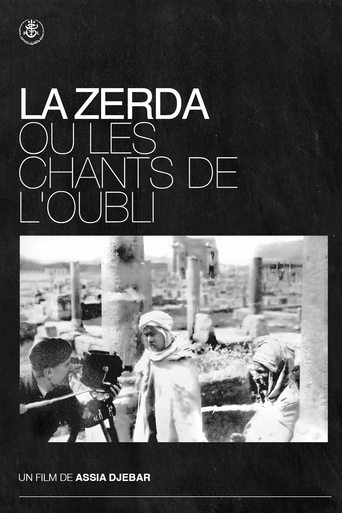
“La Zerda and the songs of oblivion” (1982) is one of only two films made by the Algerian novelist Assia Djebar, with “La Nouba des femmes du mont Chenoua” (1977). Powerful poetic essay based on archives, in which Assia Djebar – in collaboration with the poet Malek Alloula and the composer Ahmed Essyad – deconstructs the French colonial propaganda of the Pathé-Gaumont newsreels from 1912 to 1942, to reveal the signs of revolt among the subjugated North African population. Through the reassembly of these propaganda images, Djebar recovers the history of the Zerda ceremonies, suggesting that the power and mysticism of this tradition were obliterated and erased by the predatory voyeurism of the colonial gaze. This very gaze is thus subverted and a hidden tradition of resistance and struggle is revealed, against any exoticizing and orientalist temptation.
A film about the difficulty for even the most well-intentioned person to know and respect another culture. In this case, the problem is so acute that there is even heated debate over what to call that 'other.' The subtitles in the film use the familiar word 'pygmies,' a relatively pejorative European term; the Bantu or villagers' expression for the same group, Babingas, carries similar negative connotations. These highly specialized, tropical rainforest hunter-gatherers should perhaps be called by their own ethnonym, Aka, MoAka (sing.) and BaAka (pl.)

Beginning of the 20th century in the east of Sudan. Tajouj is the beautiful cousin of a young tribesman who falls in love with her and proclaims his love out loud in a song. However, the traditions of his tribe forbid such love, and his uncle refuses his request to marry Tajouj. But after the young man leaves the village and declares his remorse, the marriage is finally allowed after all. In the meantime, however, another man has expressed interest in Tajouj. A story full of jealousy ensues, which ends in tragedy.