

4'33" The Movie
Overview
The climactic scene of John Huston's Key Largo is fused with John Cage's 4'33", all dialogue is stripped away to reveal a cinema of movement, glances and inadvertent comedy.











No cast information.
Similar Movies
Baldwin’s “pseudo-pseudo-documentary” presents a factual chronicle of US intervention in Latin America in the form of the ultimate conspiracy theory, combining covert action, environmental catastrophe, space aliens, cattle mutilations, killer bees, religious prophecy, doomsday diatribes, and just about every other crackpot theory broadcast through the dentures of the modern paranoiac.

Lovely Pinky Malhotra is a heart-breaker in the college where she studies, and has a number of young men who would lay down their lives for her. Amongst them are Sunil and Vicky. She is attracted to Sunil, and both carry on a romantic relationship, hoping to get married after finishing college. Before that could happen, Pinky finds out that Sunil has been two-timing her as he is already dating another young collegian. Angered and hurt at this, she decides she will have nothing to do with him, and starts her romance with Vicky. Sunil, who does not know what has transpired, wants to talk to Pinky with a view of rekindling their romance, but Pinky refuses to speak with him. The question remains is Sunil really in love with another girl, and if so, why did he take the trouble to woo Pinky?
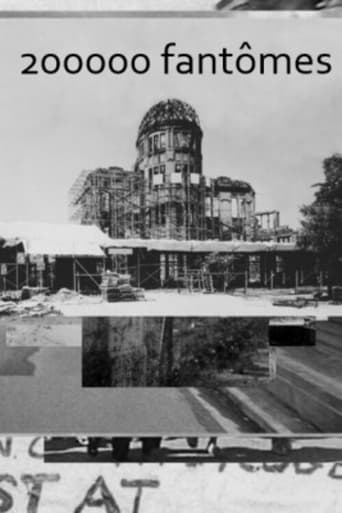
In 1914, the Czech architect Jan Letzel designed in the Japanese city of Hiroshima Center for the World Expo, which has turned into ruins after the atomic bombing in August 1945. “Atomic Dome” – all that remains of the destroyed palace of the exhibition – has become part of the Hiroshima memorial. In 2007, French sculptor, painter and film director Jean-Gabriel Périot assembled this cinematic collage from hundreds of multi-format, color and black and white photographs of different years’ of “Genbaku Dome”.

Mudos testigos is a cinematographic collage made from all the surviving material of Colombian silent films, re-editing the images in such a way as to create a single imaginary film: the impossible love story of Efraín and Alicia that traces the convulsive first half of the twentieth century in Colombia. Compiled by the late Luis Ospina and finished posthumously by Jeronimo Atehortúa.

The death of the minotavr talks about the concept of the heroine's journey. Suffering, horror and exhaustion lead the protagonist to a process of transformation, abyss and expiation, because only murdering to minotaur and everything he represents is possible to return to life. From the female gaze, it shows the depth of the emotional wounds caused by domestic violence; the same one that the surrealist Dora Maar lived and that ask why, as a society, instead of killing the minotaur, we blindly continue to send him women only to be devoured and ask them why they simply did not fight, why they did not try get out of the labyrinth.