

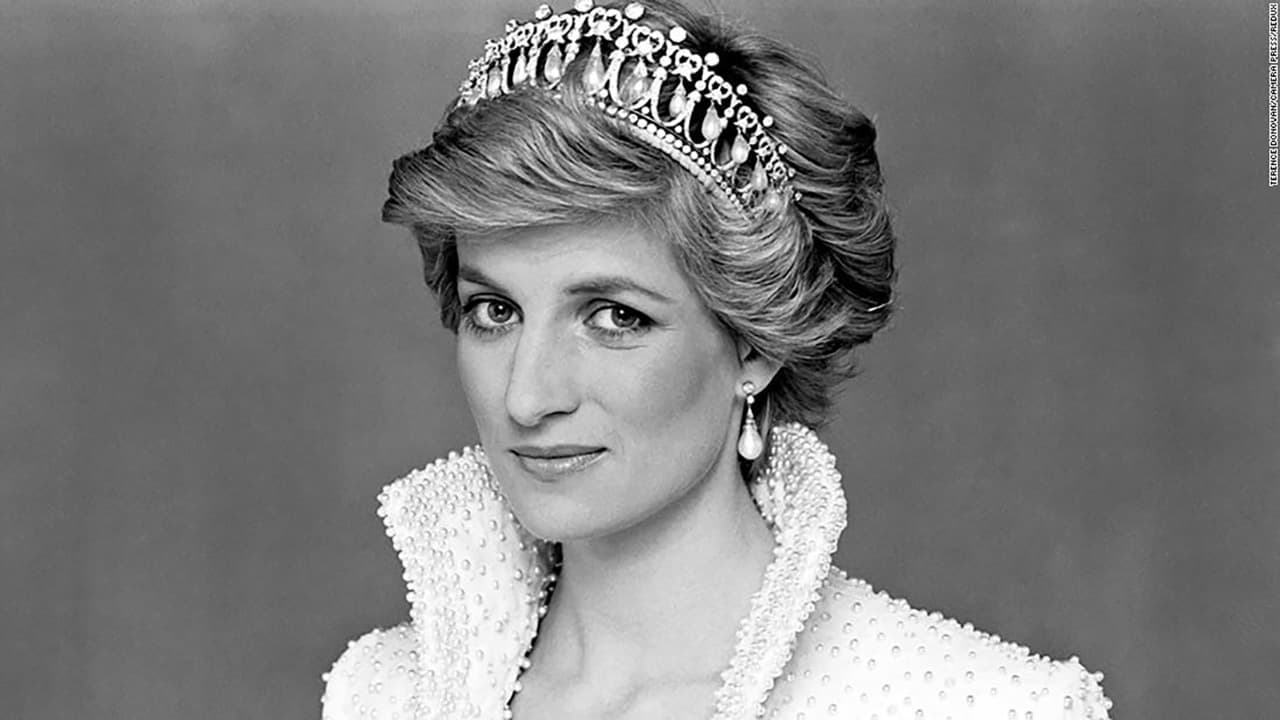
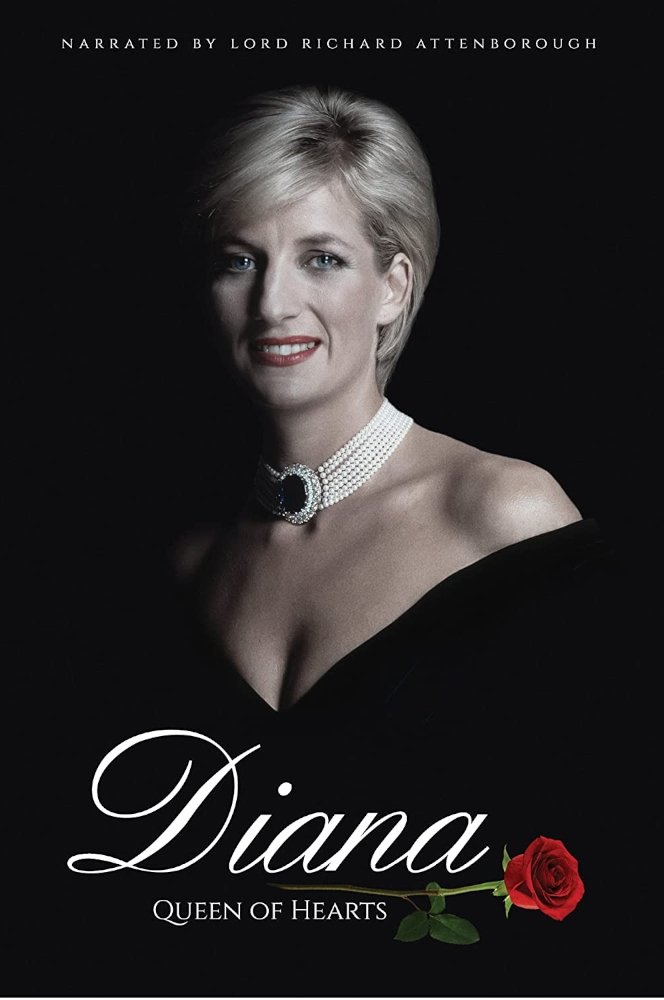
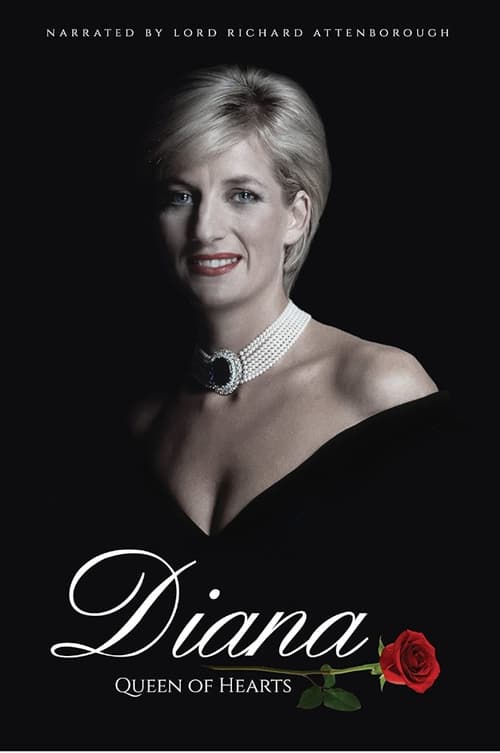
Diana: Queen of Hearts
Documentary
Overview
Close friends, family and world leaders profile the life of the princess. Narrated by Sir Richard Attenborough.









Richard Attenborough
Richard Attenborough
Self - Narrator
Richard Attenborough
Self - Narrator
Similar Movies
A documentary account of the five-week visit of Princess Elizabeth and the Duke of Edinburgh to Canada and the United States in the fall of 1951. Stops on the royal tour include Québec City, the National War Memorial in Ottawa, the Trenton Air Force Base in Toronto, a performance of the Royal Winnipeg Ballet in Regina and visits to Calgary and Edmonton. The royal train crosses the Rockies and makes stops in several small towns. The royal couple boards HMCS Crusader in Vancouver and watches Native dances in Thunderbird Park, Victoria. They are then welcomed to the United States by President Truman. The remainder of the journey includes visits to Montreal, the University of New Brunswick in Fredericton, a steel mill in Sydney, Nova Scotia and Portugal Cove, Newfoundland.
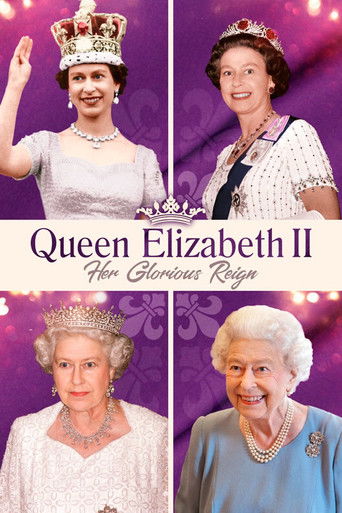
Queen Elizabeth II is the longest-reigning monarch in the history of Great Britain and the Commonwealth. While her service to her country is legendary, she has become a figure of strength, endurance, and dignity the world over and indeed we all feel connected to her. Through triumph, loss, scandal, and celebration, witness the story of how a young Princess became Queen to the people of the world.
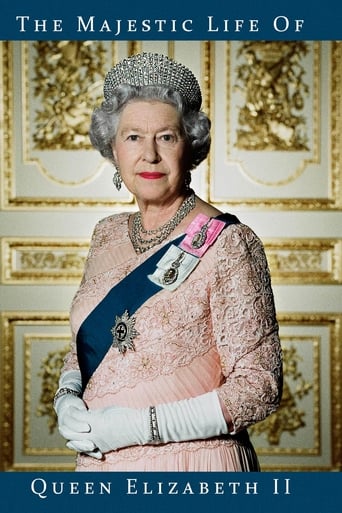
Produced in High Definition, with rare archive footage. Queen Elizabeth II has reigned for 60 years as the Queen of Great Britain and the Commonwealth. The Queen, who has witnessed incredible social, political and cultural changes in her reign, has retained the purpose and dignity of the British Monarchy. From the death of her father King George VI, to the marriage of Prince William and Kate Middleton, this is the true story of how the young Princess became a great Queen.

In "Diana: The Mourning After" Christopher Hitchens sets out to examine the bogusness of "a nation's grief", tries to uncover the few voices of sanity that cut against the grain of contrived hysteria. His findings suggested that the collective hordes of emotive Dianaphiles sobbing in the streets were not only encouraged but emulated by the media. In the aftermath of Diana's death a three-line whip was enforced on newspapers and on TV, selling the sainthood line wholesale. The suspicion was that journalists, like the public, greeted the death as a chance to wax emotional in print, as a change from the customary knowing cynicism, to wheel out all those portentous phrases they'd been saving up for the big occasion. Sadly, they just seemed to be showboating; the eulogies, laments and tear-soaked platitudes ringing risibly hollow.