

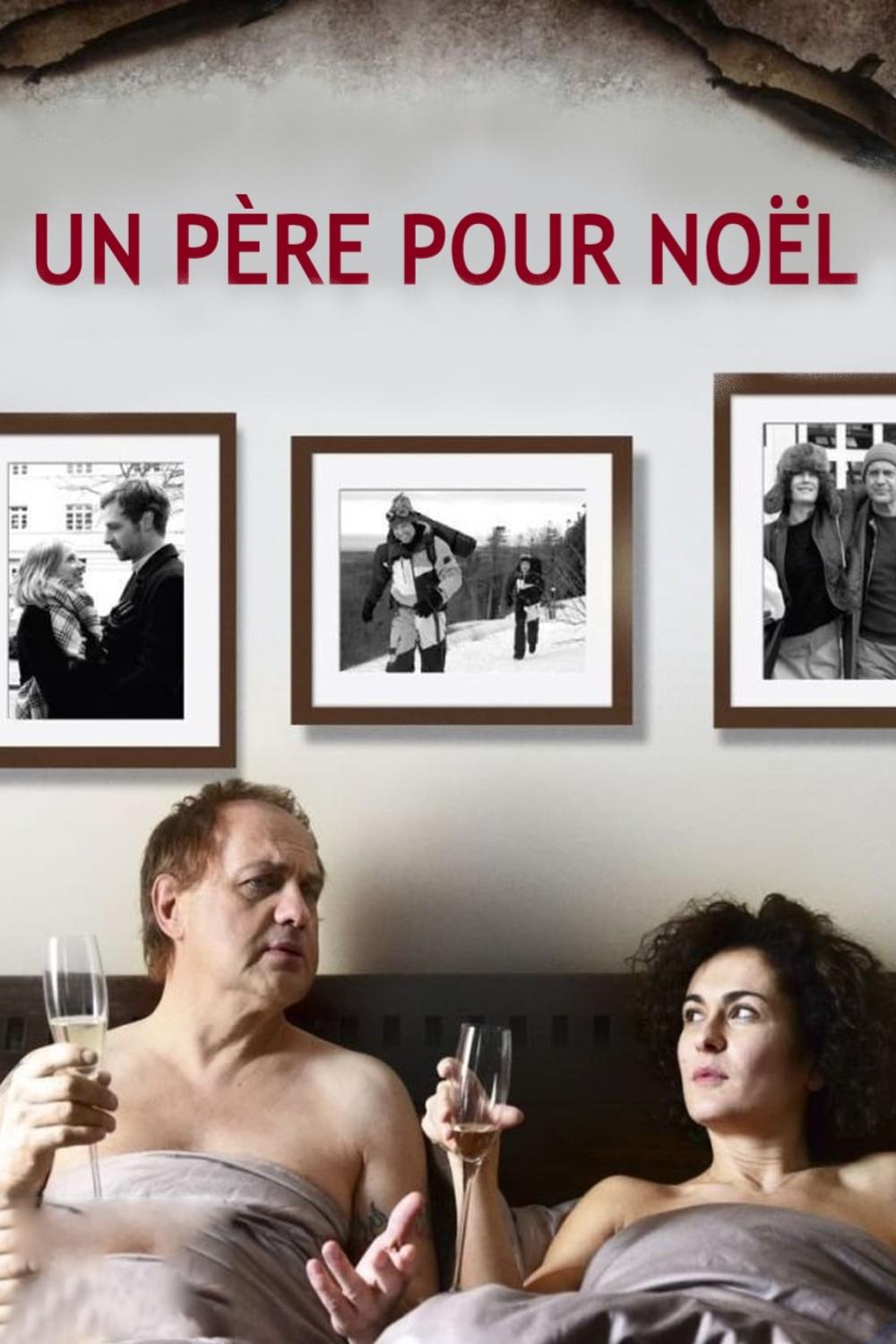
Zeit der Zimmerbrände
Comedy · Drama · TV Movie
Overview
After 15 years as coach of a middle-class ice hockey team in Canada, Harry Zoppke has served his purpose. Without a job and without a family, he returns to his hometown of Freiburg. While looking for work at his old club, the EHC Freiburg, he meets Benny, whom he once coached. Benny has come a long way as a joke item manufacturer. But Benny is always plagued by the uncertainty about the identity of his father. When Benny discovers that Harry is left-handed like him and has the same allergies, he is convinced that Harry must be the long-awaited biological father. Benny, in turn, is completely taken aback and ultimately misses the right moment to explain the misunderstanding to Benny. Instead, Harry soon enjoys having a son and no longer being alone. Benny now finally has the father he always wanted.













Uwe Ochsenknecht
Uwe Ochsenknecht
Harry Zoppke
Uwe Ochsenknecht
Harry Zoppke

Christoph Letkowski
Christoph Letkowski
Benjamin Hinz
Christoph Letkowski
Benjamin Hinz
Marie-Lou Sellem
Marie-Lou Sellem
Anna Alpino
Marie-Lou Sellem
Anna Alpino

Jytte-Merle Böhrnsen
Jytte-Merle Böhrnsen
Britta Hasenkamp
Jytte-Merle Böhrnsen
Britta Hasenkamp

Petra Zieser
Petra Zieser
Tante Lisa
Petra Zieser
Tante Lisa

Jeanette Hain
Jeanette Hain
Eve
Jeanette Hain
Eve

Leopold Hornung
Leopold Hornung
Daniel Schlösser
Leopold Hornung
Daniel Schlösser

Rolf Sarkis
Rolf Sarkis
Erwin Wolatschek
Rolf Sarkis
Erwin Wolatschek
Justus Carrière
Justus Carrière
Justus Carrière
Similar Movies
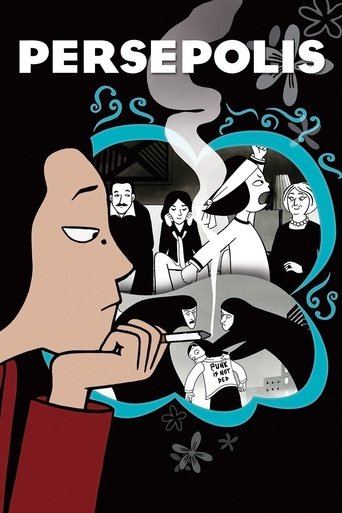
In 1970s Iran, Marjane 'Marji' Satrapi watches events through her young eyes and her idealistic family of a long dream being fulfilled of the hated Shah's defeat in the Iranian Revolution of 1979. However as Marji grows up, she witnesses first hand how the new Iran, now ruled by Islamic fundamentalists, has become a repressive tyranny on its own.
Just by watching Lupe stuck at home in her robe and slippers, no one would will guess that in the 80's she was a rock star. Gone are the times of concerts, fame and success. Agoraphobia does not let her leave home. She depends entirely on Paquita, his mother, a superstitious Mexican, with a huge heart, which not only takes care of his daughter but also her teenage grandson. The problem is that Paquita is running out of time and she doesn't want to leave without getting her daughter back.
Anna is persuaded by her boyfriend Paul to move from Berlin to his home town of Imma. What the notorious soccer hater doesn't know, however, is that joining his best friend Steffen's law firm is just a pretext. In reality, Paul and his buddies are there to save the soccer club he co-founded, Eintracht Imma 95, from relegation. Anna soon realizes that the players' wives have nothing to say to their soccer junkies: Artificial turf in the bedroom, Effenberg bedding and weekends on the soccer pitch. When she finds out the real reason for the move, she mobilizes her fellow sufferers to counter-attack after a fierce bout of frustration and challenges Paul and his friends to the ultimate duel on the soccer pitch. The bet is on: women against men. If the women win, soccer is over - and Paul has to go back to Berlin with Anna. Forever. If the men win, there will be no more complaining.
Or shoulders a lot: she's 17 or 18, a student, works evenings at a restaurant, recycles cans and bottles for cash, and tries to keep her mother Ruthie from returning to streetwalking in Tel Aviv. Ruthie calls Or "my treasure," but Ruthie is a burden. She's just out of hospital, weak, and Or has found her a job as a house cleaner. The call of the quick money on the street is tough for Ruthie to ignore. Or's emotions roil further when the mother of the youth she's in love with comes to the flat to warn her off. With love fading and Ruthie perhaps beyond help, Or's choices narrow.