

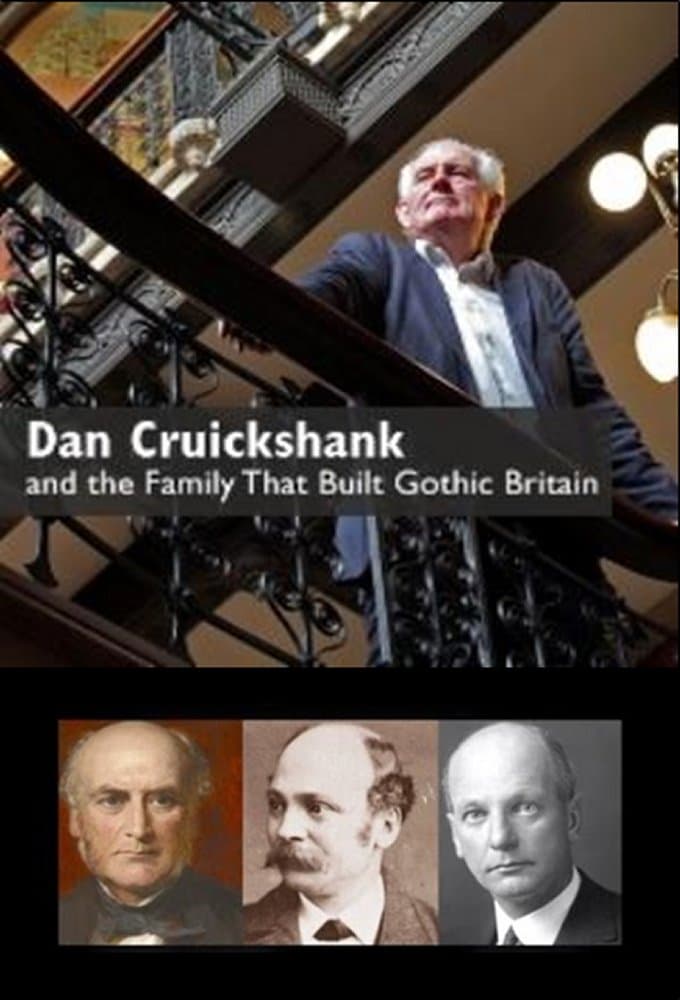
Dan Cruickshank and the Family That Built Gothic Britain
Documentary
Overview
As good as any Dickens novel, this is the triumphant and tragic story of the greatest architectural dynasty of the 19th century. Dan Cruickshank charts the rise of Sir George Gilbert Scott to the very heights of success, the fall of his son George Junior and the rise again of his grandson Giles. It is a story of architects bent on a mission to rebuild Britain. From the Romantic heights of the Midland Hotel at St Pancras station to the modern image of Bankside power station (now Tate Modern), this is the story of a family that shaped the Victorian age and left a giant legacy.
Top Cast





Dan Cruickshank
Dan Cruickshank
Presenter
Dan Cruickshank
Presenter
Similar Movies
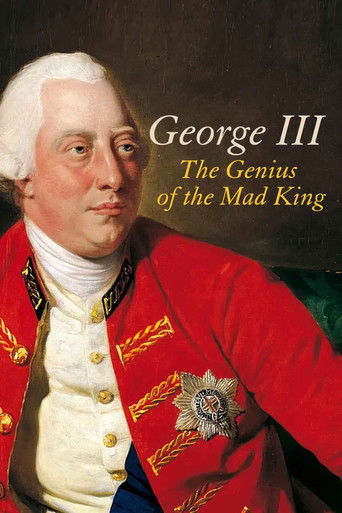
After 200 years under lock and key, all the personal papers of one of our most important monarchs are for the first time seeing the light of day. In the first documentary to gain extensive access to the Royal Archives, Robert Hardman sheds fascinating new light on George III, Britain's longest reigning king. George III may be chiefly remembered for his madness, but these private documents reveal a monarch who was a political micromanager and a restless patron of science and the arts, an obsessive traveller who never left southern England yet toured the world in his mind and a man who was driven (sometimes to distraction) by his sense of duty to his family and his country. Featuring Simon Callow and Sian Thomas as the voices of King George and Queen Charlotte.

National Vampire is a feature-length documentary that explores vampire culture in the United States. To achieve this, the filmmakers spent more than two years traveling around the country, attending vampire-related events, and interviewing dozens of people involved in the vampire community. Shooting locations include a Vampire’s Ball held in New Orleans each Halloween, a vampire tour of San Francisco, and a New York City shop that “transforms” people into vampires. Also featured are a vampire “dentist” who makes fangs for a living, vampire role playing gamers in Dayton, Ohio, a vampire-themed magician, and a bloodthirsty Texas couple that claims to be the real thing. Going beyond the surface, National Vampire also explores a number of subcultures that overlap the vampire community, including the goth music scene, bondage and S&M, and blood fetishists who take part in piercing and full-body suspension rituals.

This spiritual successor to the 1942 original explores the vibrant yet tumultuous growth of Britishness over the past century. The film gives voices to a new reality of Britain, one that has been formed through the flourishing multiculturalism the country has seen since the original film was made. Academics and artists are interviewed to explore both past and present, and consider what a future Britain may look like.
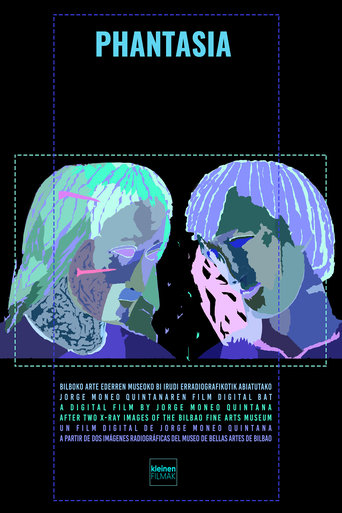
X-ray images were invented in 1895, the same year in which the Lumière brothers presented their respective invention in what today is considered to be the first cinema screening. Thus, both cinema and radiography fall within the scopic regime inaugurated by modernity. The use of X-rays on two sculptures from the Bilbao Fine Arts Museum generates images that reveal certain elements of them that would otherwise be invisible to our eyes. These images, despite being generally created for technical or scientific purposes, seem to produce a certain form of 'photogénie': they lend the radiographed objects a new appearance that lies somewhere between the material and the ethereal, endowing them with a vaporous and spectral quality. It is not by chance that physics and phantasmagoria share the term 'spectrum' in their vocabulary.
What does it mean to be goth—to be an outsider, to live both on the margins and in the midst of society? Filmmakers Jordan Hemingway and Alban Adam prize open the coffin on a world of darkness and light, exploring its multiplicities and intersections with subcultures and the ever-present experience of queerness.
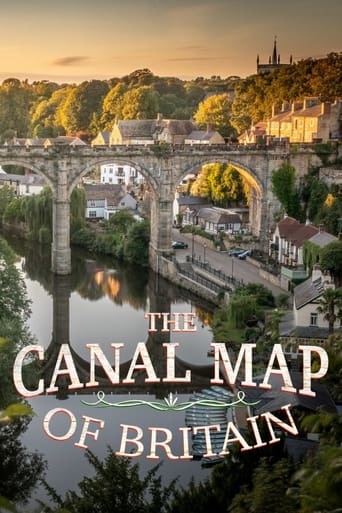
A look at Britain's beloved canal network via a fact-filled cruise along the first superhighways of the Industrial Revolution. In the age before mechanisation, a frenzy of canal-building saw a new army of workers carve out the British landscape, digging out hundreds of miles of waterways using picks, shovels and muscle.